

Trust is one of the most important foundations of any healthy relationship, and once it’s broken, rebuilding it can feel nearly impossible.
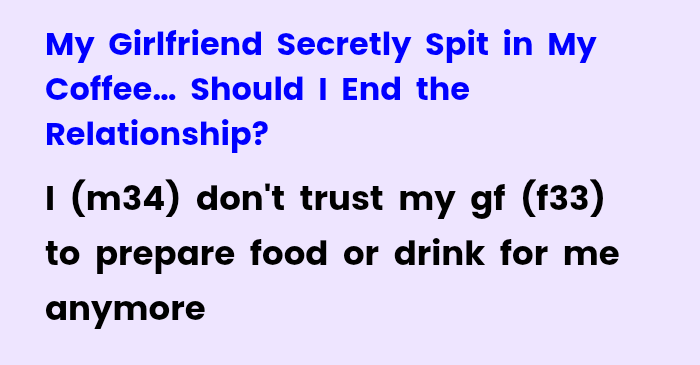
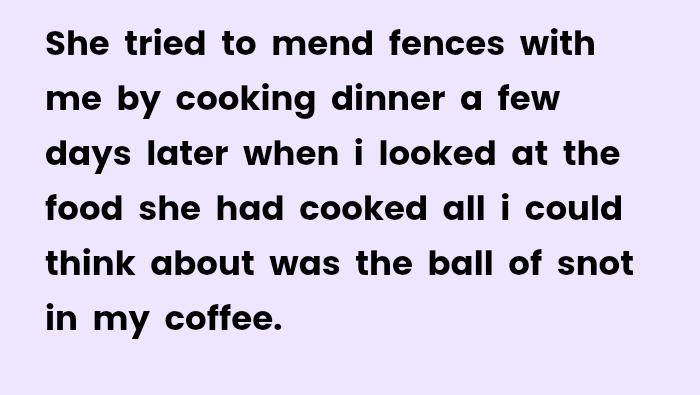
In this story, a 34-year-old man finds himself questioning everything after discovering what appears to be his girlfriend’s deliberate act of spitting mucus into his morning coffee following an argument.
What initially seemed like another relationship conflict quickly escalates into something far more disturbing—raising serious concerns about respect, personal safety, and emotional abuse.



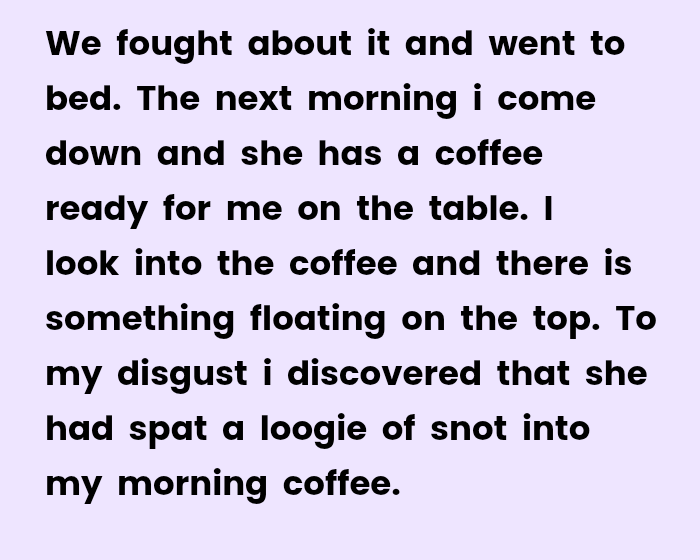
Let’s call it what it is—spitting or putting snot into someone’s food or drink is revolting.
It isn’t funny, clever, or harmless.
It’s unhygienic, degrading, and deeply disrespectful.

Analysis
When Trust Crosses the Point of No Return
Every couple argues. Disagreements, misunderstandings, and moments of frustration are a normal part of sharing life with another person. What determines the health of a relationship isn’t whether arguments happen—it’s how those disagreements are handled. Healthy couples communicate, cool down, apologize, and work through problems together. Unhealthy relationships often take a very different path, where anger turns into revenge instead of resolution.
Intentionally spitting mucus into someone’s coffee is not simply an act of anger; it’s a deliberate betrayal of trust. Food and drink represent one of the most basic forms of care we extend to those we love. When someone contaminates what another person is about to consume, they weaponize that trust. Once that happens, it’s completely understandable that the victim begins questioning every meal, every drink, and every act of kindness afterward.
Why This Act Is So Disgusting
Let’s call it what it is—spitting or putting snot into someone’s food or drink is revolting. It isn’t funny, clever, or harmless. It’s unhygienic, degrading, and deeply disrespectful. Most people would be horrified if a restaurant employee did this to a customer. The fact that it happened inside a relationship actually makes it worse because relationships are built on care, not humiliation.
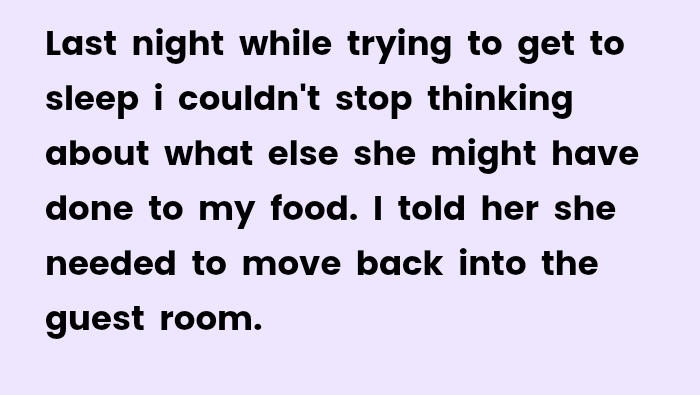
Beyond the obvious health concerns, the emotional impact is enormous. Every future meal becomes associated with anxiety. Instead of feeling comforted when your partner prepares food, you feel suspicious. Instead of gratitude, you experience fear and disgust. Something as simple as drinking a cup of coffee suddenly becomes emotionally exhausting.
It also speaks volumes about a person’s mindset. Spitting into someone’s drink requires planning, intent, and a willingness to humiliate another human being. It isn’t an accident or a momentary lapse in judgment—it is a conscious decision to disrespect someone in one of the most personal ways possible. That level of contempt is difficult to overlook and even harder to forgive.
Respect Should Never Disappear During Conflict
Everyone gets angry. Everyone says things they later regret. But mature adults know where the line is. They don’t seek revenge by humiliating the people they claim to love.
One of the strongest indicators of someone’s character is how they behave when they’re upset. If someone responds to conflict by secretly contaminating food, destroying property, or looking for ways to “teach their partner a lesson,” they’re demonstrating an unhealthy way of handling emotions.
Real love doesn’t disappear the moment an argument begins. Respect should remain, even when emotions are running high. A healthy partner may need space, but they don’t intentionally degrade the other person.
Trust Is Extremely Difficult to Rebuild
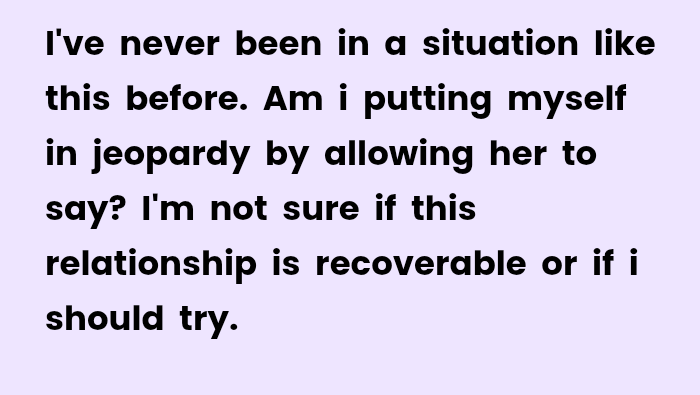
Many people believe trust can always be repaired with enough apologies and time. While forgiveness is possible in some situations, trust depends on consistency and safety.
In this case, the issue isn’t just one contaminated cup of coffee. It’s the lingering question that follows: “Has this happened before?”
Even if the answer is no, the doubt remains. Every meal prepared afterward becomes uncomfortable. Every drink raises suspicion. Living in a constant state of uncertainty creates emotional stress that slowly wears down both mental health and the relationship itself.
Once someone no longer feels safe accepting food from their own partner, the relationship has lost one of its most basic foundations.
Accountability Makes All the Difference
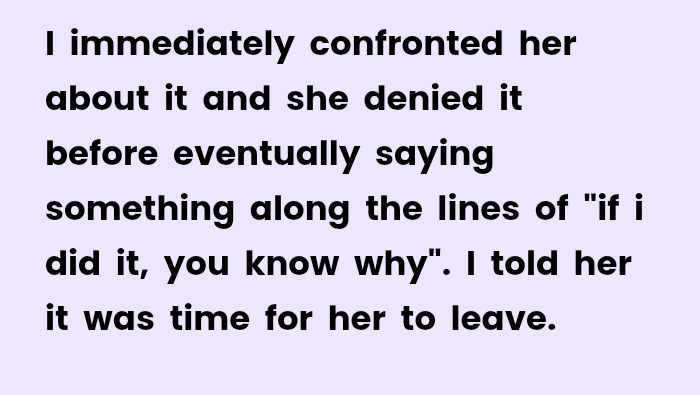
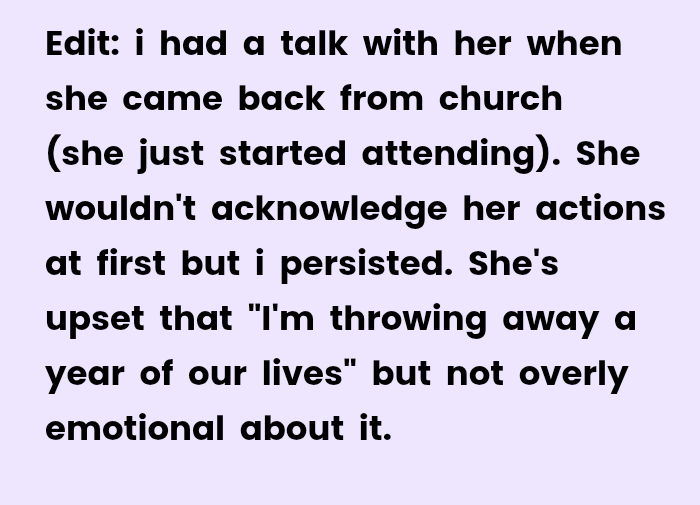
One detail that stands out is the initial denial and refusal to fully acknowledge responsibility. Genuine accountability begins with honesty. It doesn’t start with excuses, blame, or statements like, “If I did it, you know why.”
When someone refuses to own their actions, rebuilding trust becomes almost impossible. A sincere apology accepts responsibility without trying to justify the behavior. It recognizes the pain caused and focuses on repairing the damage rather than defending the decision.
Without accountability, apologies become little more than attempts to avoid consequences.
Self-Respect Should Always Come First
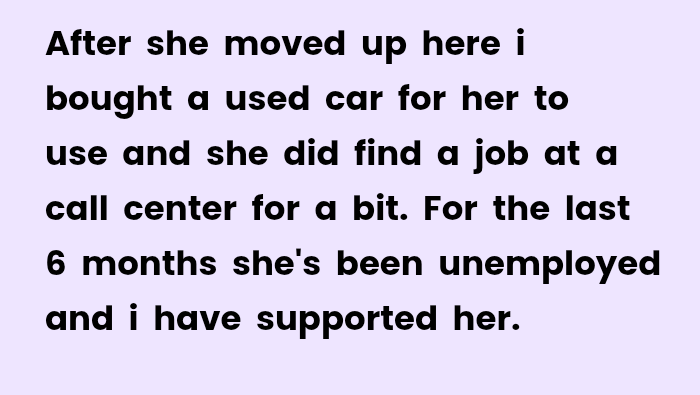
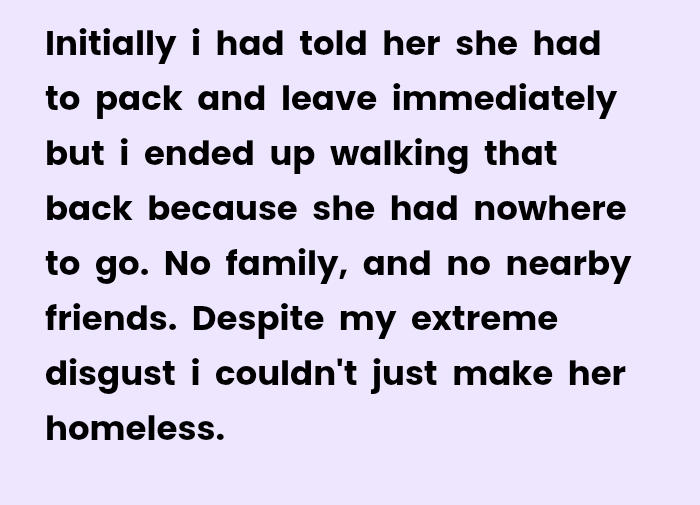
One of the biggest lessons from this story is the importance of self-respect. Many people stay in unhealthy relationships because they feel guilty about leaving, especially if the other person has nowhere else to go or is struggling financially. Compassion is a wonderful quality, but it should never require sacrificing your own emotional well-being or sense of safety.
Protecting yourself doesn’t make you heartless. It means recognizing that your peace of mind matters too. No one should feel obligated to remain in a relationship where they constantly question whether they’re being treated with honesty and respect.
Healthy relationships provide security, comfort, and emotional support—not fear, suspicion, and constant second-guessing.
What This Says About Society
Stories like this often spread quickly online because they’re shocking, but they also reveal something important about modern relationships. Too often, people normalize toxic behavior by calling it “petty revenge,” “just a prank,” or “something done in the heat of the moment.”
We shouldn’t normalize it.
Secretly contaminating someone’s food is not harmless. It crosses ethical, emotional, and hygienic boundaries. Whether it’s done by a stranger, a coworker, or a romantic partner, it deserves to be taken seriously. If we excuse behavior like this because it happened inside a relationship, we risk lowering the standard of respect that every person deserves.
Healing After a Betrayal Like This
Recovering from this kind of betrayal takes time. Even after leaving the relationship, it’s normal for someone to struggle with trust for a while. They may become cautious about accepting food from others or feel anxious in situations that never bothered them before.
Healing begins by accepting that your feelings are valid. Disgust, disappointment, sadness, and anger are all natural reactions when someone you love violates your trust. Rebuilding confidence, surrounding yourself with supportive people, and maintaining firm personal boundaries are important steps toward emotional recovery.
Sometimes the hardest part of healing is accepting that the person you cared about is not the person you believed they were. That realization is painful, but it can also become the beginning of a healthier future.
Final Thoughts
This story isn’t really about coffee. It’s about trust, dignity, respect, and knowing your own worth. A relationship should be the one place where you feel safe enough to let your guard down. When someone intentionally contaminates your food or drink, they destroy more than a single moment—they damage the very foundation of the relationship.
Spitting or putting snot into another person’s coffee is not simply disgusting; it is degrading, childish, and deeply disrespectful. It reflects a lack of maturity, empathy, and basic human decency. No disagreement, no matter how intense, justifies treating another person with that level of contempt.
Everyone deserves a partner who communicates through honesty rather than humiliation, who resolves conflict with maturity instead of revenge, and who values respect even during the worst disagreements. Self-respect sometimes means recognizing when a relationship has crossed a line that cannot easily be uncrossed. Choosing peace, safety, and dignity is never something to feel guilty about.