
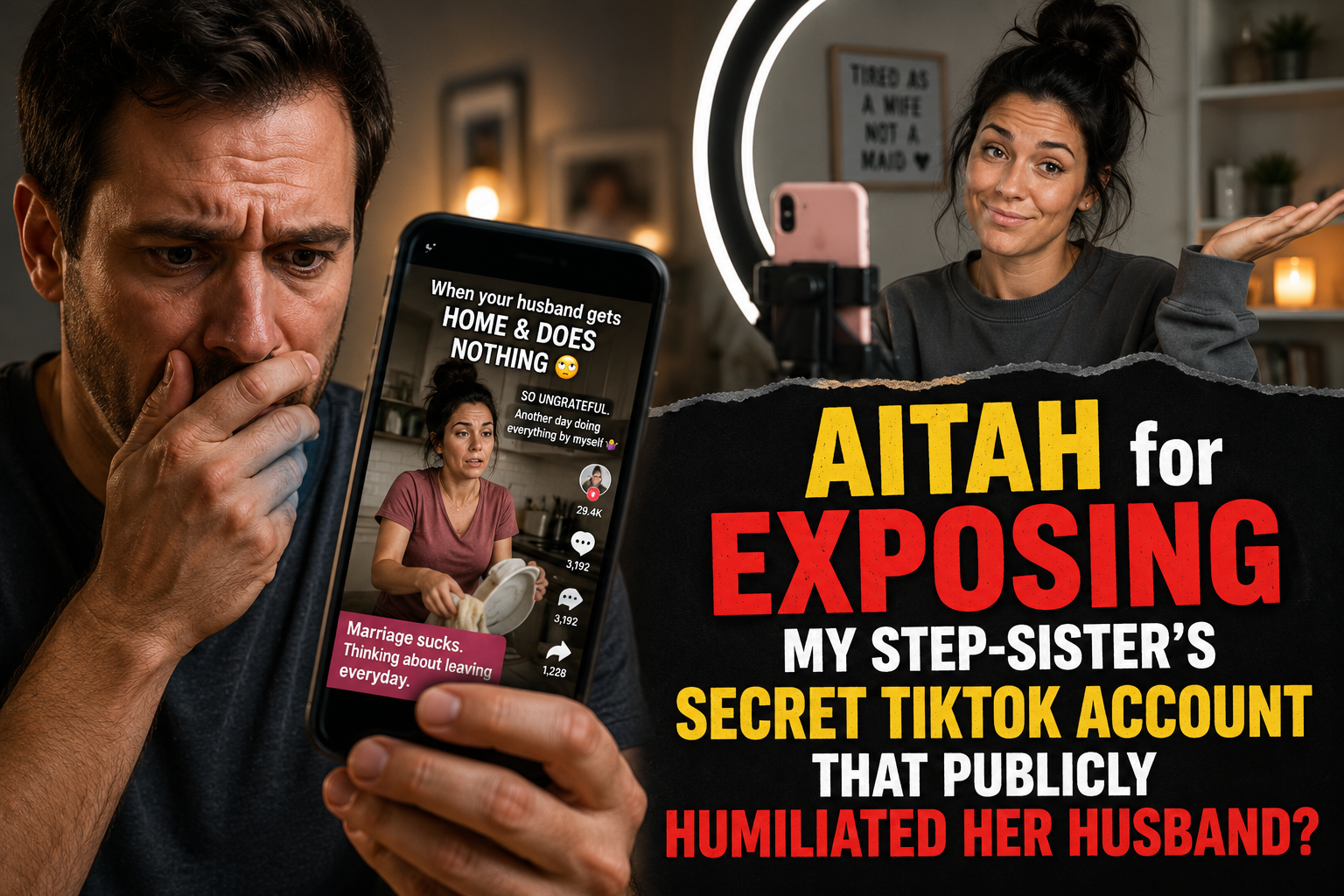
A man discovers his step-sister’s secret TikTok account, where she frequently humiliates her husband with exaggerated and misleading videos about their marriage. As time goes on, she begins revealing his identity and publicly insulting him.
Feeling that his brother-in-law deserves to know the truth, he sends him a link to the account. The discovery leads to a major argument between the couple and leaves their marriage in turmoil.
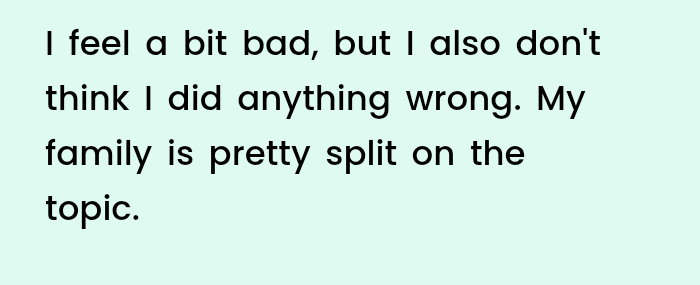
Now the family is divided over whether exposing the account was the right thing to do. Was he protecting someone from public humiliation, or should he have stayed out of their marriage?
When Social Media Becomes a Weapon Instead of a Window Into Life
At first glance, this story seems like another family disagreement involving social media. But beneath the surface lies a much deeper discussion about privacy, honesty, online validation, and loyalty. Every stage of this situation raises important questions about what happens when personal relationships become entertainment for strangers and whether exposing the truth is ever worse than hiding it.
Discovering the Secret TikTok Account
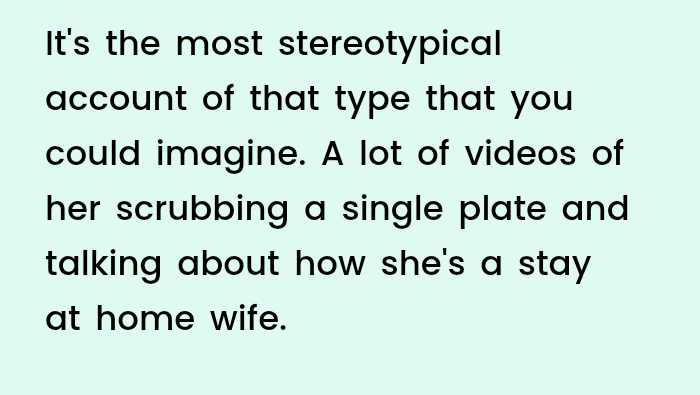
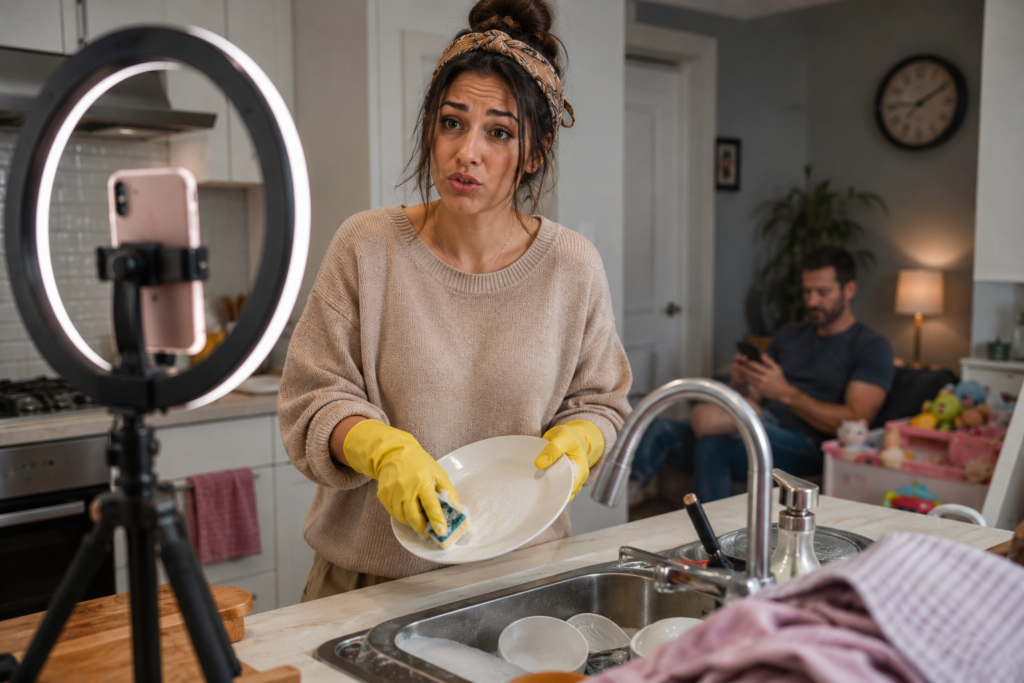
The story begins when the narrator discovers that his step-sister has been running a TikTok account dedicated to complaining about her husband.
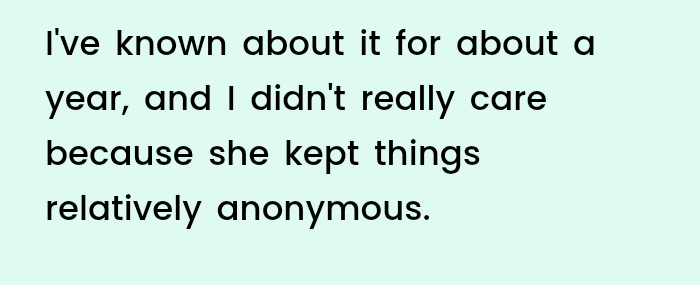
Initially, he chooses not to interfere. Although the content paints her husband as a lazy and uncaring spouse, she keeps his identity relatively anonymous. Like many people, the narrator likely assumes that couples vent about each other occasionally, and since no one could identify him, it wasn’t worth creating unnecessary family drama.
Sometimes choosing not to get involved is the wisest decision. Not every disagreement between spouses needs outside interference.
Check The Comment Section Below
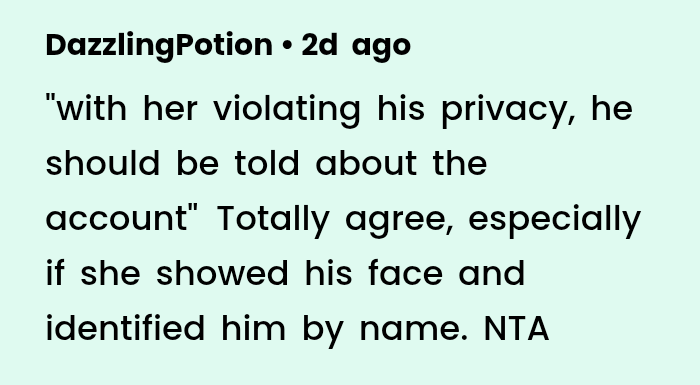
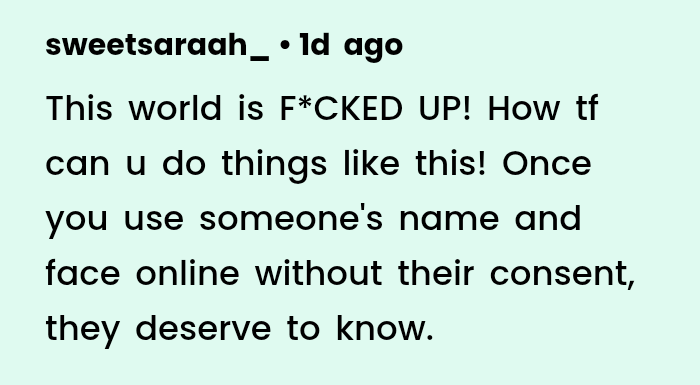
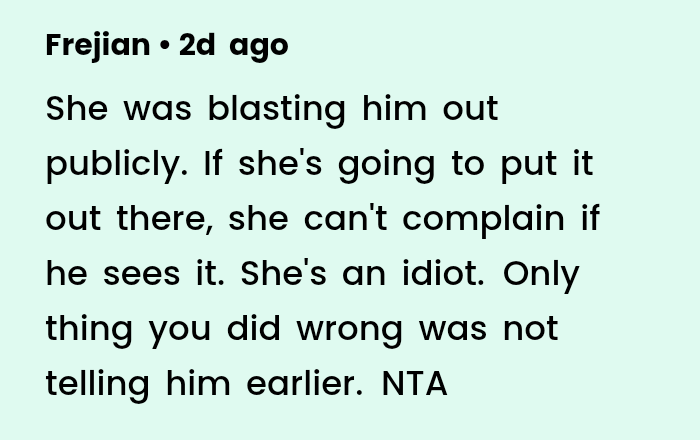
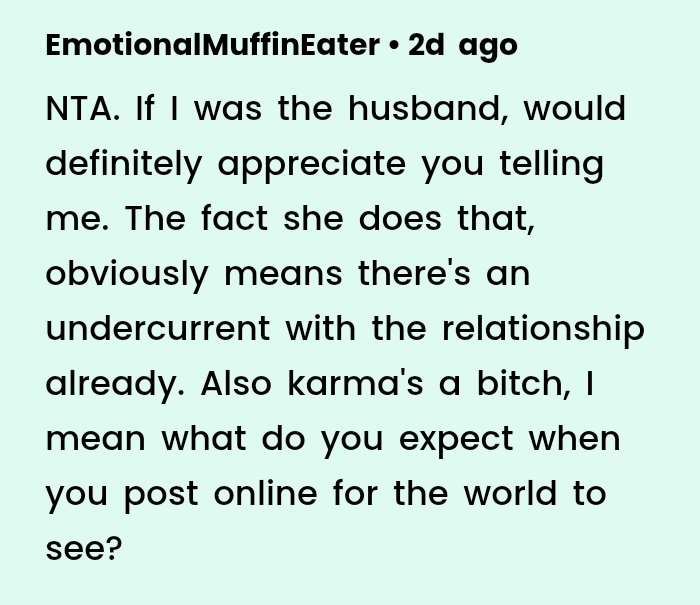
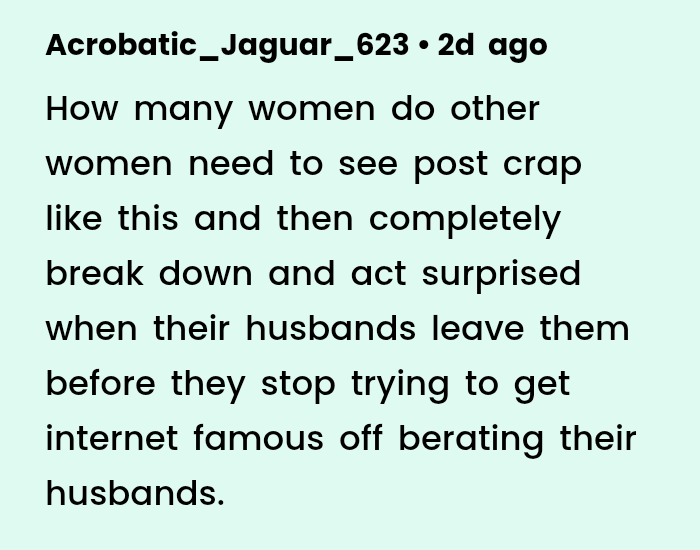
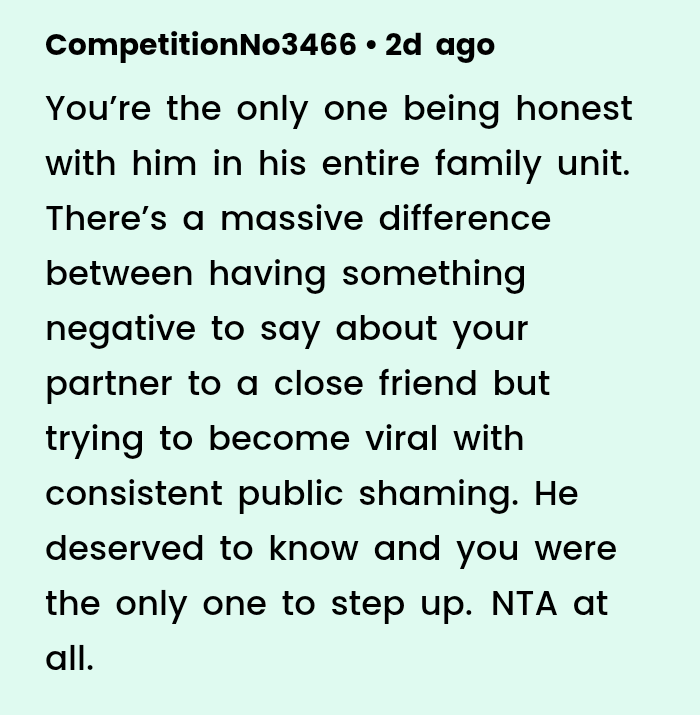
Looking Beyond the Online Persona
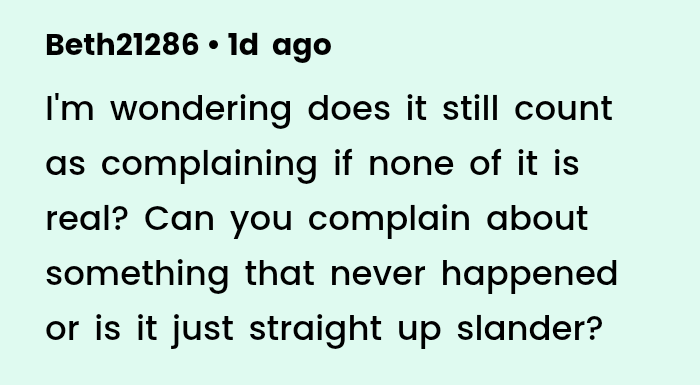
As the narrator continues watching the videos, he realizes that the stories being told don’t match reality.
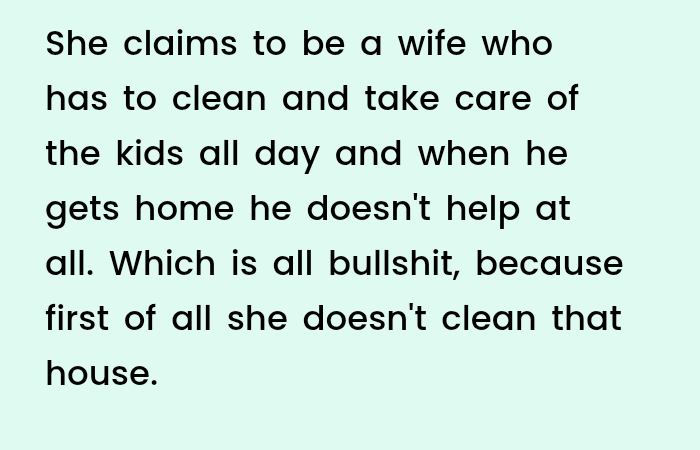
His step-sister claims she’s overwhelmed with housework and childcare while her husband contributes nothing after work. However, according to someone who regularly sees their home life, those claims are far from accurate.
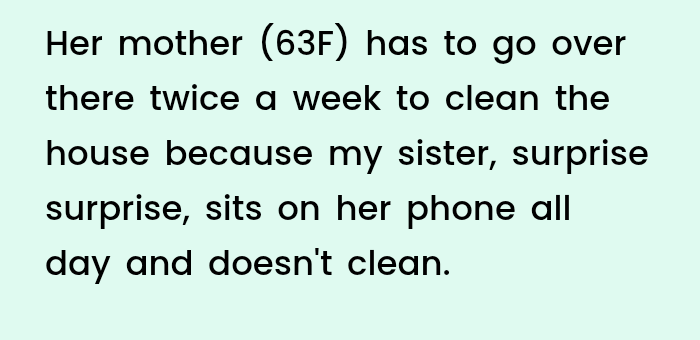
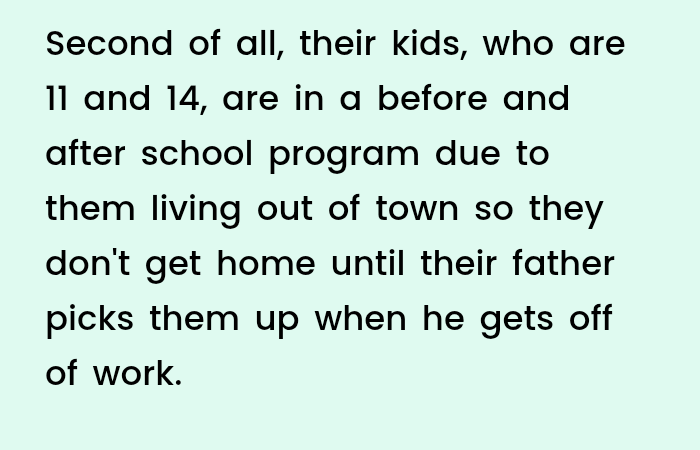
Her own mother cleans the house multiple times each week because the housework isn’t being done. Their children spend much of the day at school and in after-school programs, while the husband works full-time before picking them up.
This creates an important contrast between reality and social media.
Platforms like TikTok often reward dramatic stories with more views, likes, and comments. As a result, some creators exaggerate—or even completely invent—parts of their personal lives to gain attention and sympathy.
When Privacy Is No Longer Protected
For nearly a year, the narrator keeps the account to himself.
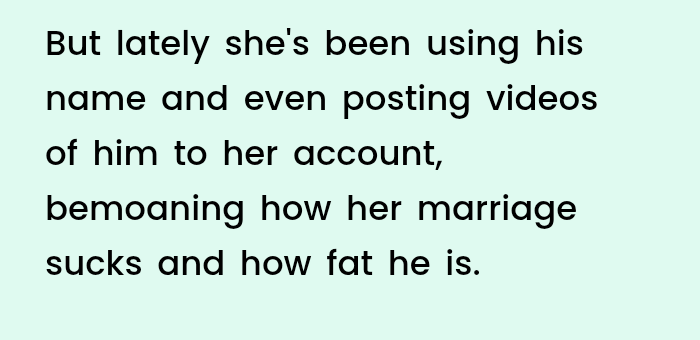
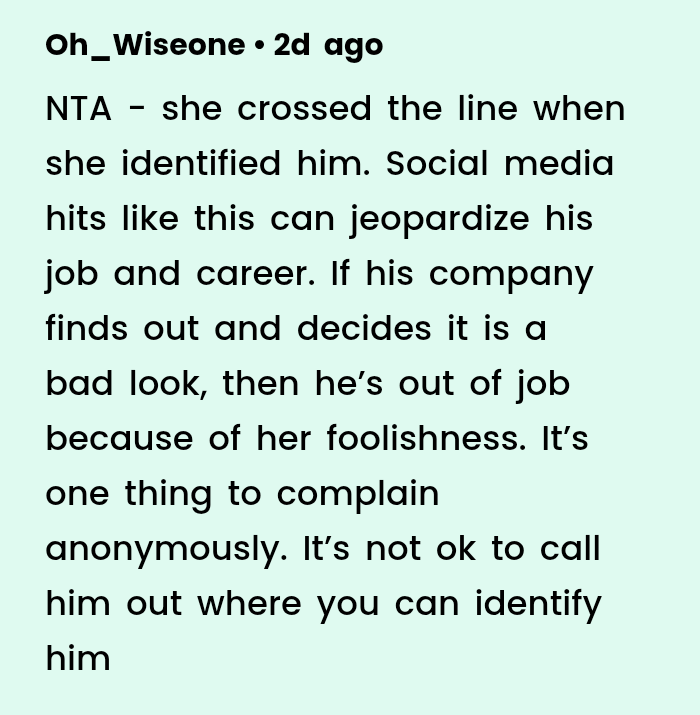
Everything changes when his step-sister begins mentioning her husband’s real name and posting videos of him without his knowledge.
She also starts insulting his appearance, calling attention to his weight and describing her marriage as miserable.
This is a significant turning point.
The issue is no longer simply venting.
It becomes public humiliation.
Once someone’s identity is attached to online accusations, those comments can affect friendships, family relationships, careers, and emotional well-being. Unlike private arguments, social media posts can spread to thousands—or even millions—of people within hours.
Choosing to Tell the Husband
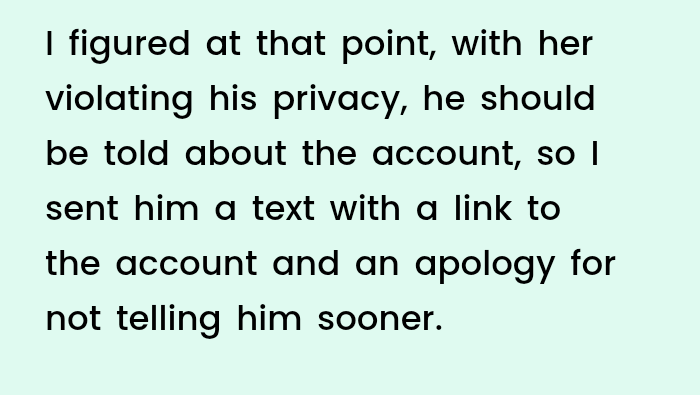
Faced with this new situation, the narrator makes what he believes is the ethical decision.
Instead of confronting his step-sister publicly or joining the online arguments, he privately contacts his brother-in-law.
He sends a link to the account along with an apology for not speaking up sooner.
That apology reveals something important.
The narrator wasn’t trying to create drama.
He genuinely struggled with whether telling the truth was the right thing to do.
Many people would face the same internal conflict.
Should you stay loyal to a family member?
Or should you protect someone who doesn’t even realize they’re being publicly embarrassed?
There are rarely easy answers.
The Marriage Reaches a Breaking Point
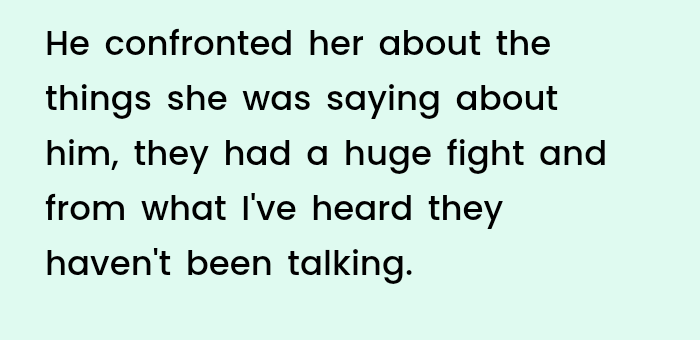
After learning about the TikTok account, the husband confronts his wife.
Predictably, the conversation turns into a major argument.
From what the narrator hears afterward, communication between the couple nearly stops altogether.
Some people may blame the narrator for the fight.
However, it’s worth asking an important question:
Did the text message damage the marriage?
Or did the videos themselves reveal problems that already existed?
Secrets often delay conflict rather than prevent it.
When the truth eventually surfaces, the messenger is frequently blamed instead of the behavior that caused the conflict in the first place.
A Family Divided
The disagreement quickly spreads beyond the married couple.
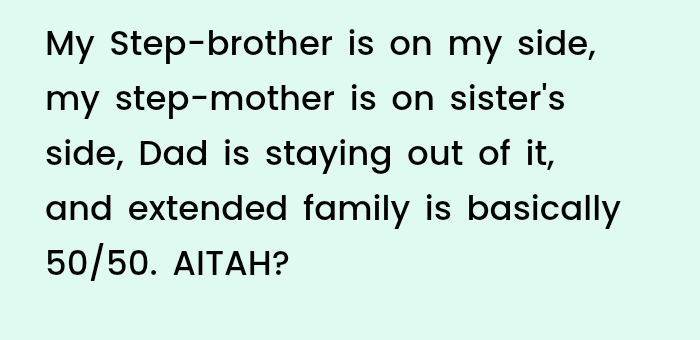
The narrator’s step-brother supports his decision.
His step-mother believes he should have stayed silent.
His father avoids taking sides altogether.
Extended family members are split almost evenly.
This reaction is surprisingly common in family conflicts.
Different relatives prioritize different values.
Some believe family loyalty means protecting relatives no matter what.
Others believe honesty should come first, even if it causes temporary pain.
Neither perspective is entirely simple, which explains why families often become divided in situations like this.
The Hidden Cost of Online Validation
One of the biggest themes in this story is the pursuit of validation from strangers.
Social media algorithms reward emotional content.
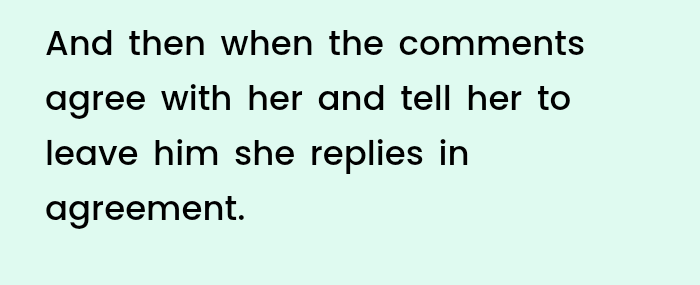
Videos that describe terrible spouses, toxic relationships, or difficult family situations often receive large numbers of comments and shares.
Over time, creators may feel encouraged to make each story more dramatic than the last.
The danger is that online approval can slowly become more important than protecting real-life relationships.
Receiving thousands of supportive comments may feel satisfying in the moment, but those comments disappear quickly.
The damage to trust at home can last much longer.
Public Shaming Has Real Consequences
Public humiliation isn’t harmless entertainment.
Being mocked online can have serious emotional consequences, including embarrassment, anxiety, depression, damaged self-esteem, and feelings of betrayal.
When criticism comes from a spouse—the person expected to provide emotional safety—the pain can become even greater.
Marriage depends heavily on trust.
Knowing that personal moments could become tomorrow’s viral TikTok can make honest communication almost impossible.
Partners need confidence that disagreements will be handled privately before they become public content.
Did Waiting a Year Matter?
Some readers may wonder whether the narrator should have spoken up earlier.
It’s a fair question.
Had he informed his brother-in-law when the account first appeared, the situation might have been addressed before names, videos, and personal insults entered the picture.
At the same time, the narrator respected the couple’s privacy while the content remained anonymous.
He only stepped in when the posts crossed a line from general complaints into identifiable public attacks.
That distinction explains why many readers may see his decision as reasonable despite the delay.
Lessons About Digital Responsibility
This story also highlights how important it is to think before posting online.
Sharing personal frustrations with close friends or a therapist can sometimes be healthy.
Broadcasting intimate marital problems to strangers for entertainment is something entirely different.
Before posting about a spouse, it is worth asking a few simple questions:
- Would I be comfortable if my partner saw this?
- Am I seeking support or simply trying to embarrass them?
- Could this damage our relationship if it went viral?
- Am I telling the full story or only the version that benefits me?
Answering these questions honestly can prevent lasting harm.
The Bigger Picture
Ultimately, this story isn’t just about one TikTok account. It’s about the growing challenge of balancing online attention with real-life relationships. Social media offers an easy way to seek validation, but every post involving another person carries responsibility. When private struggles become public entertainment, trust can disappear long before the views do.
Whether the narrator was right or wrong will continue to divide opinions, but one lesson stands out clearly: honesty may create uncomfortable conversations, yet respect and privacy are essential foundations of any healthy relationship. Couples who protect each other’s dignity—even during disagreements—are far more likely to build lasting trust than those who trade personal moments for internet applause.