

Family expectations can sometimes turn a happy milestone into an unexpected source of conflict, especially when emotions, personal relationships, and long-held traditions come into play. What should have been a joyful time for new parents quickly becomes complicated when a seemingly simple family decision brings out very different expectations about love, appreciation, and family legacy.
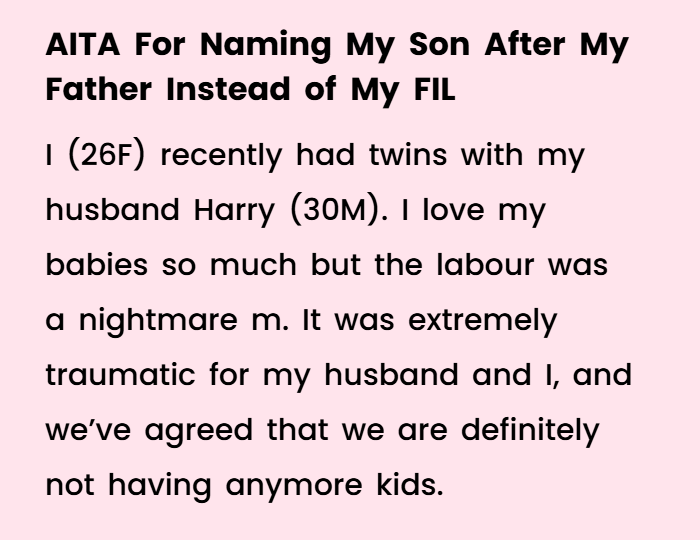
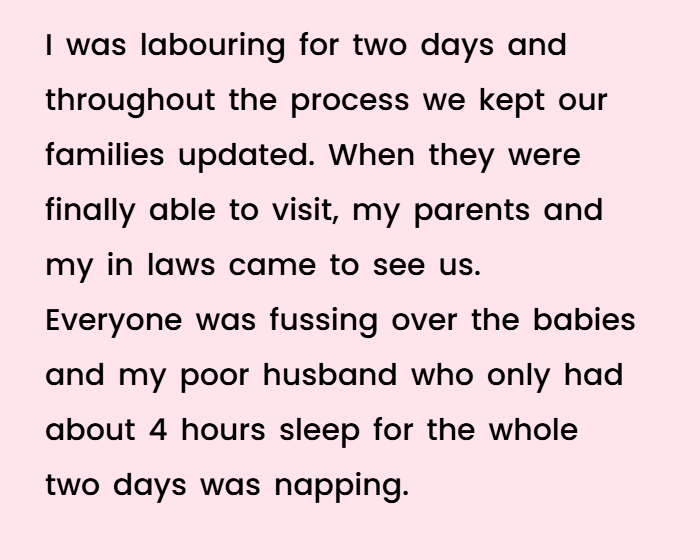


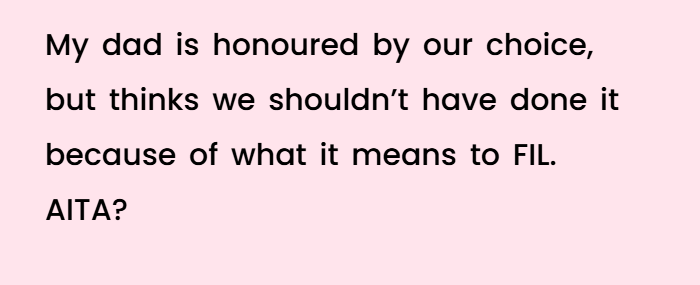
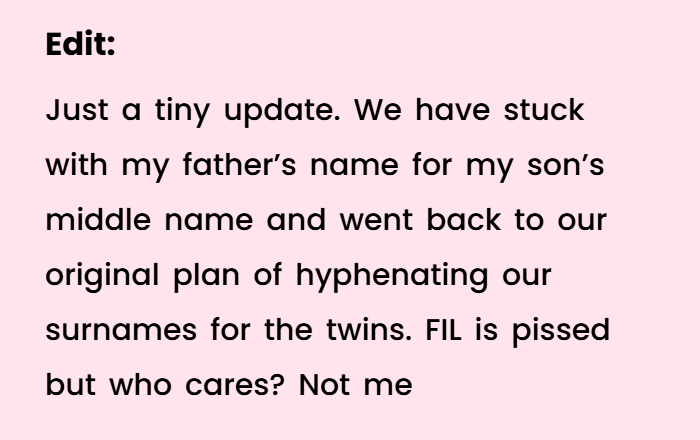
At first glance, this might seem like a simple disagreement over a baby’s middle name, but there’s a lot more happening beneath the surface. When children arrive, family expectations can suddenly become more complicated, particularly when grandparents have strong opinions about traditions, names, and who deserves to be honored.
What makes this situation especially interesting is that both sides attach very different meanings to the same decision. For one person, a name is a way of expressing gratitude and celebrating a lifelong bond. For another, it represents a long-held family expectation that they feel should finally be fulfilled.
But should a personal wish that someone has carried for years automatically become an obligation for the next generation? And where should parents draw the line when extended family members start treating their children’s names as something they have a say in?
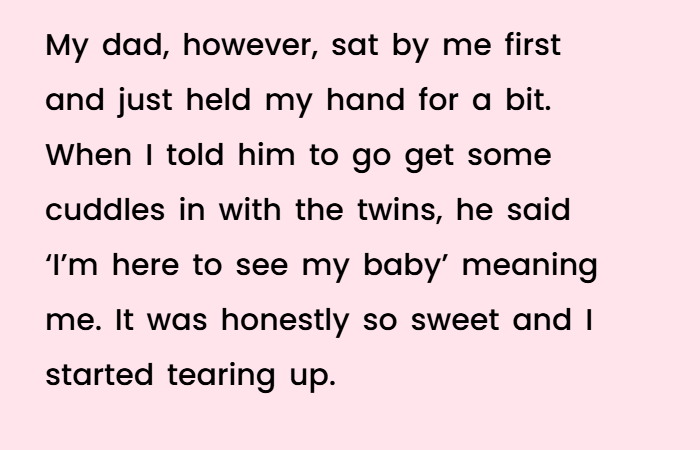
There’s also an emotional side to this story that deserves attention. Becoming a mother doesn’t mean a woman suddenly stops needing love, reassurance, and support from her own parents. Sometimes, the smallest gestures during life’s most overwhelming moments can leave the biggest impression.
As the disagreement grows, the situation raises some interesting questions about family loyalty, entitlement, and the difference between wanting to be remembered and expecting to be honored. And perhaps most importantly, it makes us wonder whether grandparents’ feelings should ever take priority over the wishes of the two people actually raising the child.
So, what does the internet think? Opinions on situations like this can be surprisingly divided. Some people may see the choice as a sweet way to honor a loving parent, while others might sympathize with a grandparent whose long-held wish wasn’t fulfilled. Let’s see what users had to say about this family disagreement and whether they think the new parents made the right call.
Check The Comment Section Below
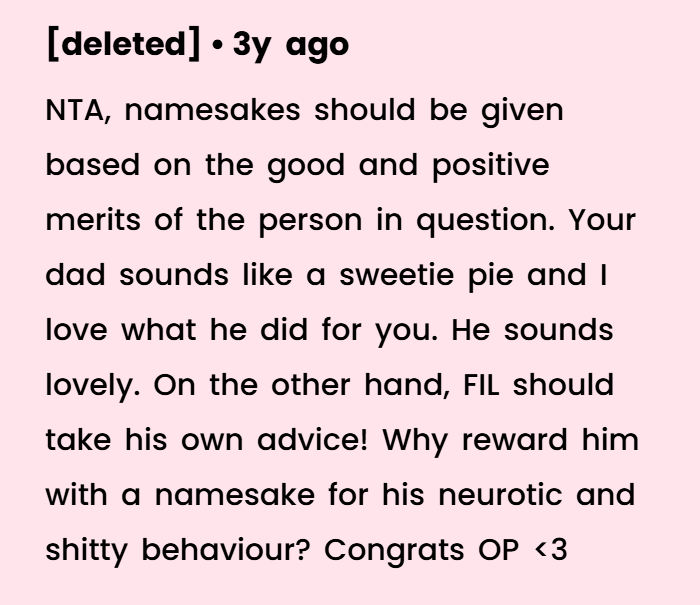
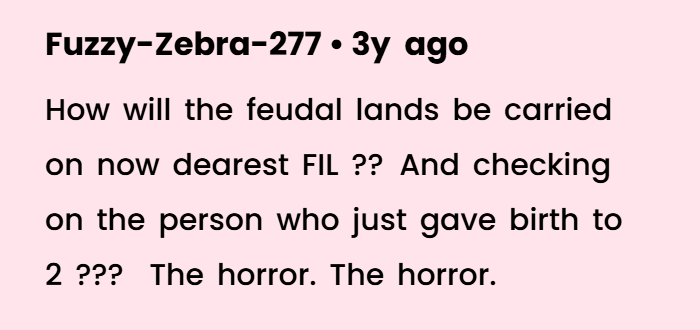
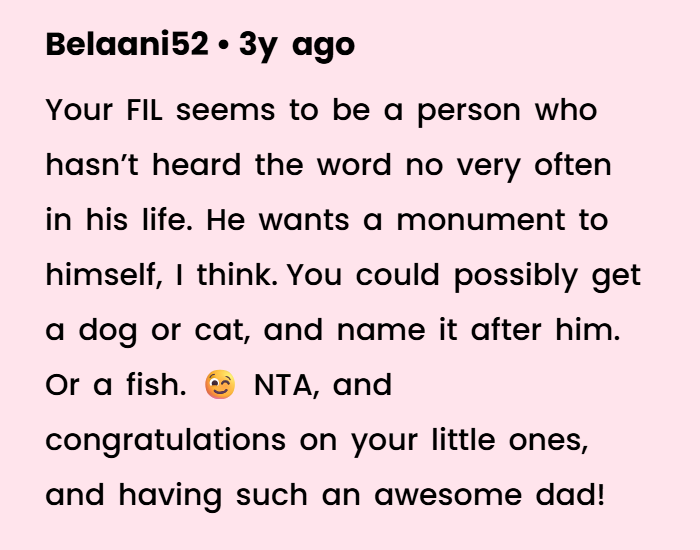
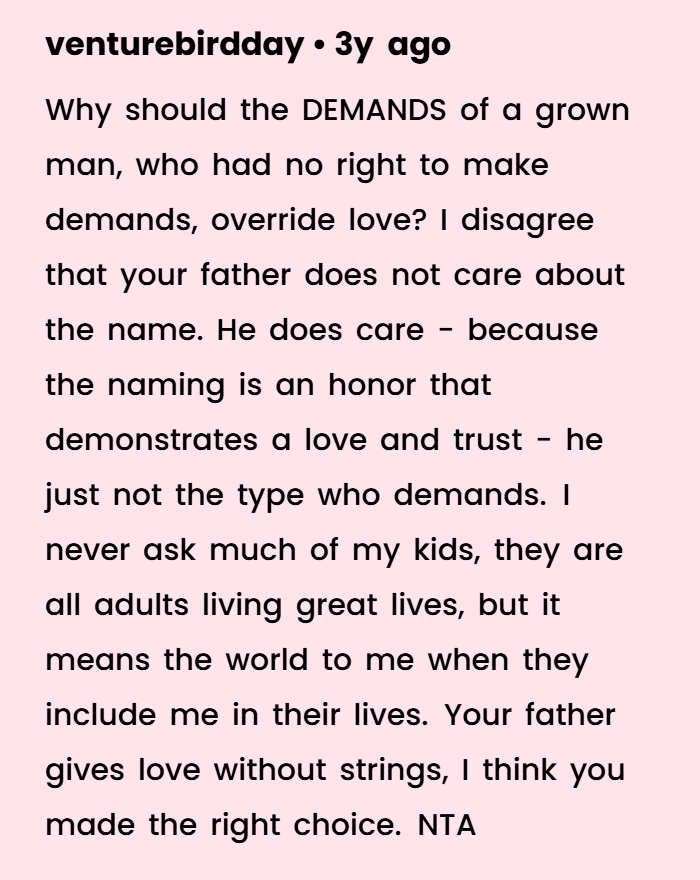
Analysis: What This Situation Really Reveals
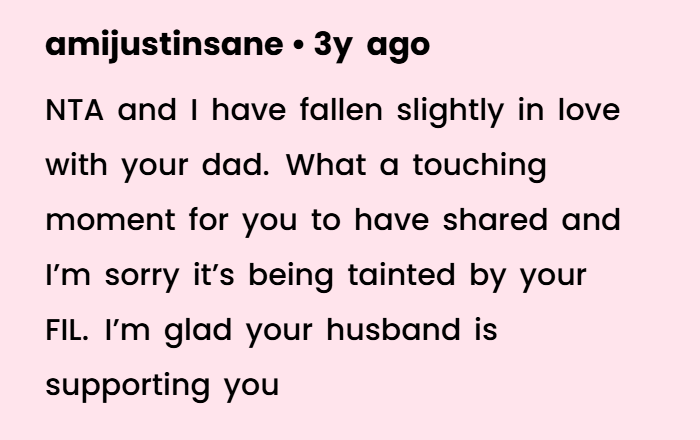
At the heart of this disagreement is a simple but important distinction: being honored is not the same as being owed an honor.
The grandfather may have imagined having a grandson named after him for years, and it’s understandable that he might feel disappointed when that doesn’t happen. Family traditions and names can carry a lot of emotional meaning. However, having a long-standing wish doesn’t automatically make it someone else’s responsibility to fulfill it, especially when it comes to naming a child.
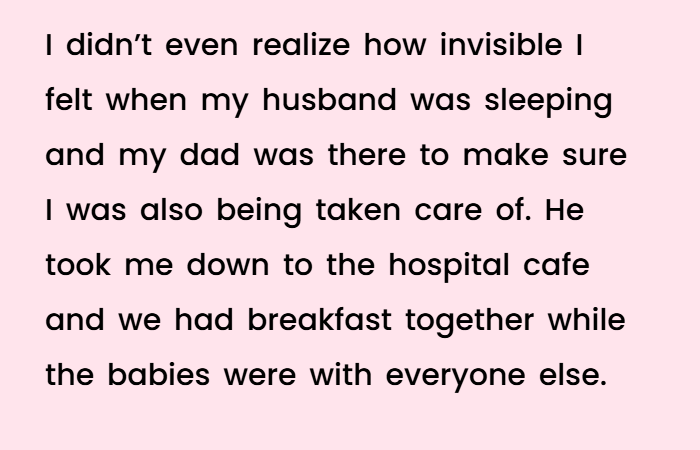
What makes the father’s choice particularly meaningful is that it came from a moment when his daughter needed support. After two exhausting and traumatic days of labour, everyone naturally focused on the newborn twins, but her father remembered that she was also someone who needed care. His words and actions made her feel seen at a time when she could easily have felt overlooked. Wanting to recognize that kind of love through her son’s middle name is a deeply personal gesture.
There is also an important point about the husband’s relationship with his father. A grandparent’s expectations should not outweigh the parents’ own experiences and feelings. If the husband has a complicated relationship with his father and isn’t comfortable passing his name down, that decision deserves respect too. Naming a child should be something both parents feel good about, not an obligation imposed by extended family.
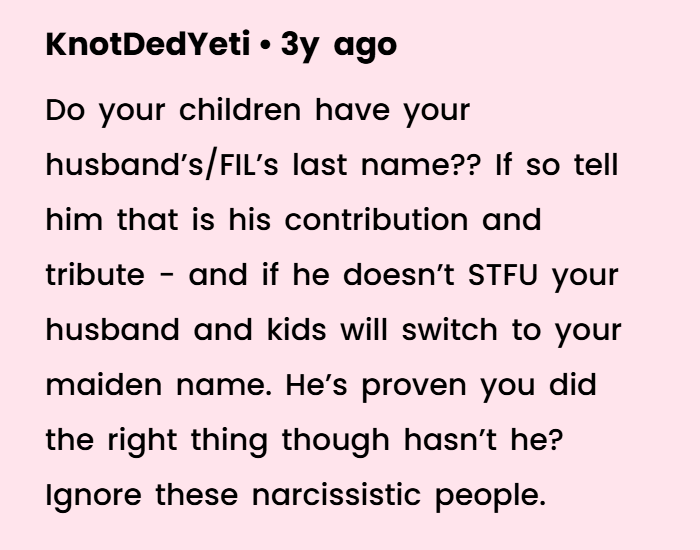
The FIL’s disappointment might be genuine, but the way he expressed it is where things went wrong. Suggesting that the new mother’s father was somehow ignoring his grandchildren simply because he first checked on his own daughter is an unfair interpretation. A mother doesn’t stop being someone’s child when she gives birth, and she deserves care and attention just as much as her newborns do.
The MIL’s involvement also seems unnecessary. Instead of allowing the parents to make a personal decision, she joined in putting pressure on them to satisfy her husband’s expectations.
Ultimately, the couple made the right decision by sticking with the name they both wanted. Grandparents can express their hopes, but they don’t get voting rights over their grandchildren’s names. A child’s name should represent something meaningful to the parents, not serve as compensation for someone else’s unfulfilled expectations.
And perhaps the sweetest part of this entire story is that the grandfather wasn’t being honored because he demanded recognition. He was being honored because, in a vulnerable moment, he showed his daughter exactly how much she mattered.