
When someone says potassium, there’s a good chance a banana is the first food that comes to mind.
And yes, bananas contain potassium. A medium banana provides about 422 mg. But here’s the fun part: bananas are definitely not your only option.
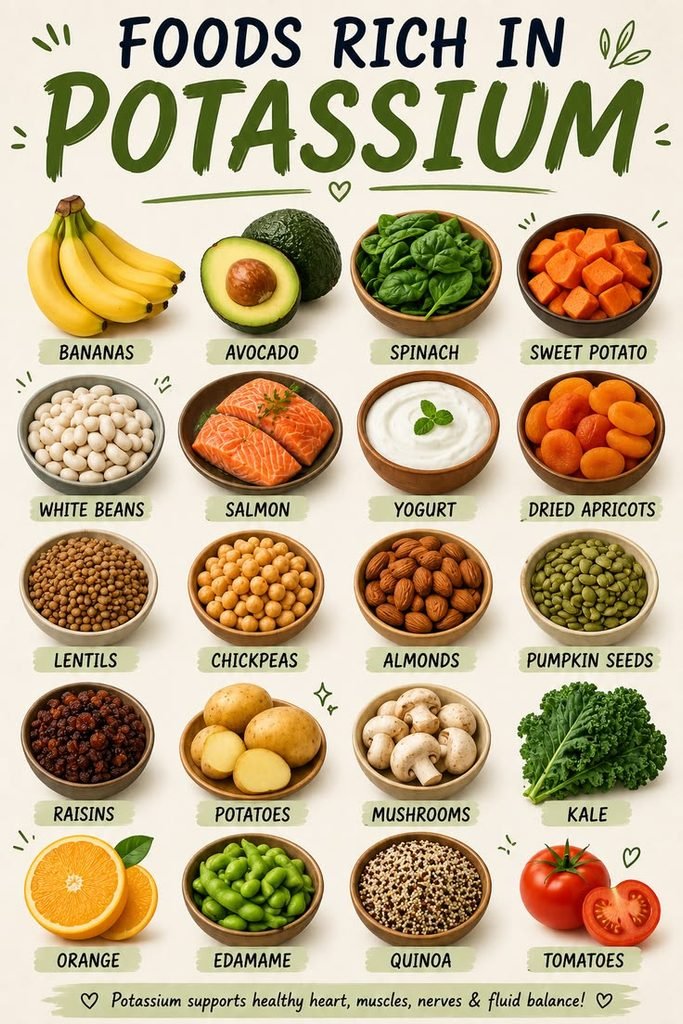
Potassium is found in a surprisingly wide range of everyday foods, including potatoes, lentils, beans, leafy greens, dried fruit, yogurt, fish, squash, and several other fruits and vegetables. Your body needs this mineral for normal nerve function, muscle contraction, fluid balance, and heart function.
So if you’re tired of hearing “just eat a banana,” your grocery list is about to get a lot more interesting.
Why Does Your Body Need Potassium?
Potassium is an essential mineral and electrolyte that helps your cells function properly. It is involved in nerve signaling, muscle contraction, and maintaining the electrical gradients that allow your cells to work normally. Your kidneys also play a major role in controlling potassium levels by removing excess potassium through urine.
Potassium also works closely with sodium. Getting enough potassium as part of an overall healthy eating pattern may support healthy blood pressure, particularly when the diet is also lower in sodium. Potassium is only one piece of the larger diet and lifestyle picture, but it is an important one.
The amount you need depends on your age and sex. For adults ages 19 and older, current U.S. adequate intake levels are 3,400 mg per day for men and 2,600 mg per day for women. Needs are different during pregnancy and breastfeeding. According to MedlinePlus, potassium helps support normal nerve function, muscle contraction, and a regular heartbeat.
The good news is that you don’t have to obsess over a number every time you eat. A varied diet built around fruits, vegetables, beans, whole grains, dairy or alternatives, nuts, fish, and other nutritious foods can provide potassium naturally.
17 Potassium Rich Foods Worth Adding to Your Plate
1. Dried Apricots
Dried apricots are one of those foods that can quietly pack a lot of potassium into a small serving.
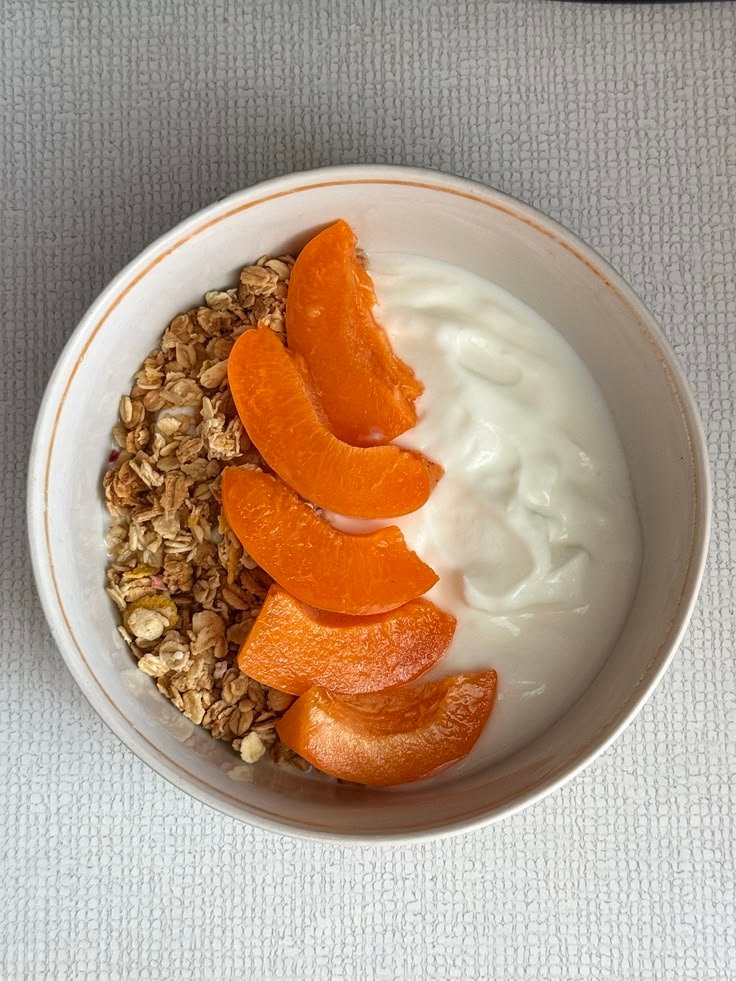
Half a cup of dried apricots provides about 755 mg of potassium. That makes them a convenient option when you want to add more potassium without preparing an entire meal.
They’re easy to toss into oatmeal, yogurt, trail mix, or a salad. Just remember that drying fruit removes much of its water, so dried fruit is also more concentrated in natural sugars and calories than the same amount of fresh fruit.
Easy idea: Chop a few dried apricots into plain yogurt with nuts and cinnamon for a quick snack.
Potassium: About 755 mg per ½ cup.
2. Lentils
If you’re looking for a potassium rich food that can also make a meal more satisfying, don’t overlook lentils.
One cup of cooked lentils provides about 731 mg of potassium, along with plant based protein and plenty of fiber. Lentils are also incredibly flexible. Add them to soups, curries, salads, grain bowls, or stews.
They’re an inexpensive way to make a meal more filling without relying entirely on meat.
Easy idea: Mix cooked lentils with tomatoes, cucumber, herbs, and a simple lemon dressing for a quick lunch.
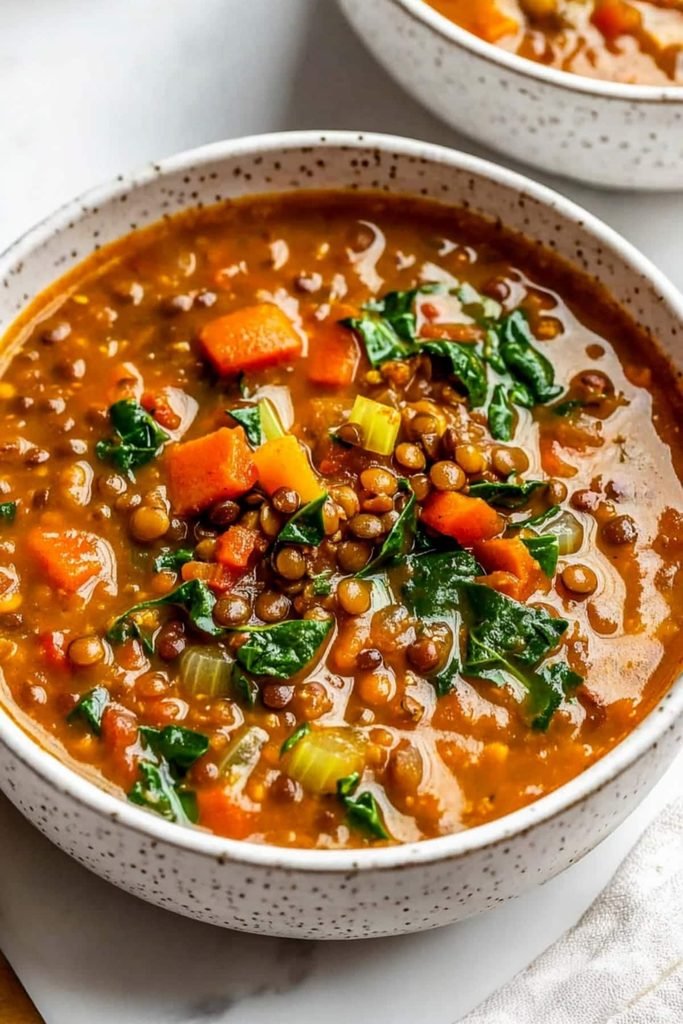
Potassium: About 731 mg per cooked cup.
3. Acorn Squash
Acorn squash deserves more attention than it usually gets.
A cup of mashed acorn squash provides about 644 mg of potassium. It also brings a naturally sweet, creamy texture to meals, which makes it surprisingly easy to turn into a comforting side dish.
You can roast it, mash it, add it to soups, or serve it alongside your favorite protein.
Easy idea: Roast acorn squash halves with olive oil, black pepper, and your favorite herbs.
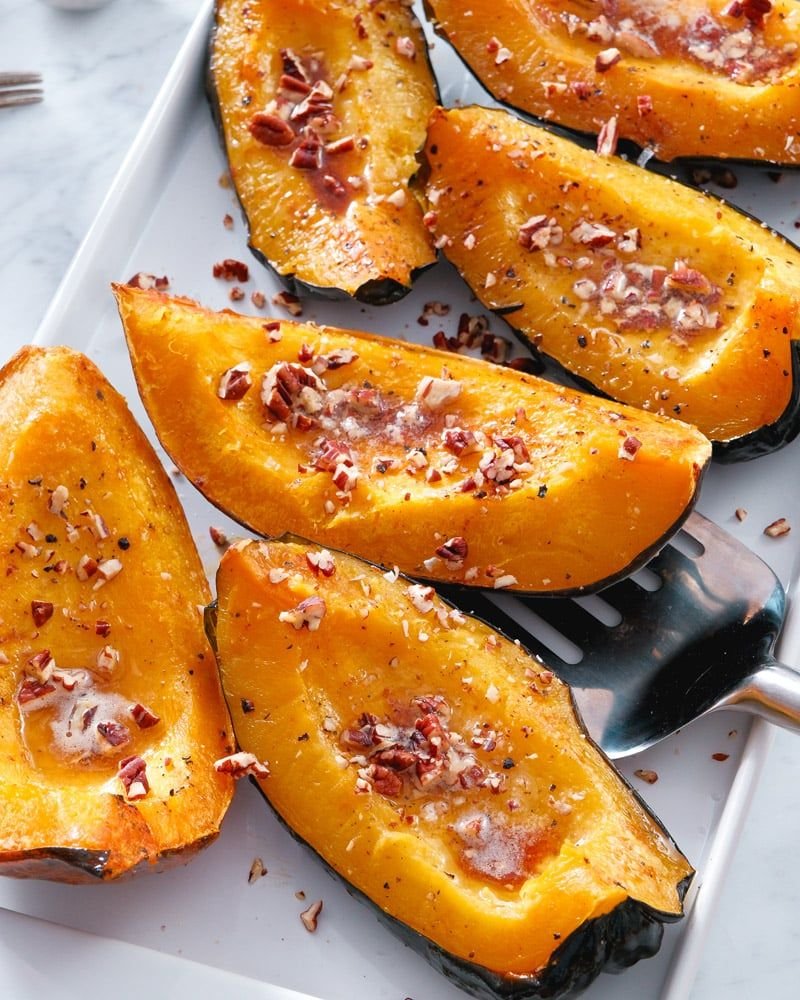
Potassium: About 644 mg per cup.
4. Prunes
Prunes may have a reputation for being an old fashioned food, but nutritionally, they’re worth remembering.
Half a cup provides about 635 mg of potassium. They’re also a source of dietary fiber, which is one reason prunes are commonly associated with digestive health.
You don’t have to eat them by the handful, either. Chop them into oatmeal, mix them into yogurt, or pair a small portion with nuts.
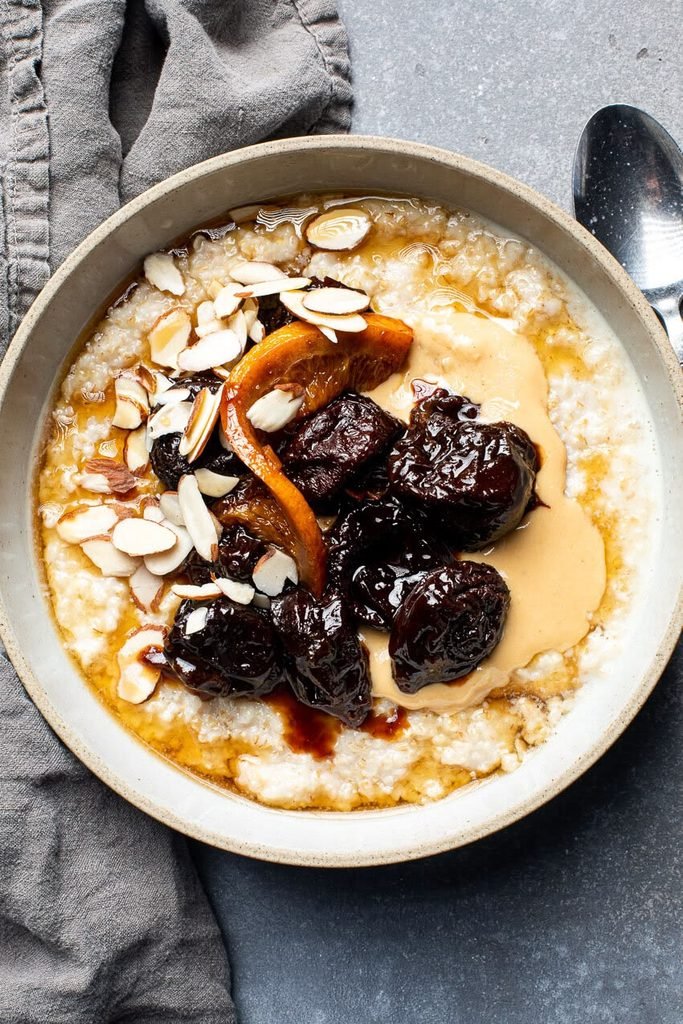
Easy idea: Add chopped prunes to warm oatmeal with cinnamon and walnuts.
Potassium: About 635 mg per ½ cup.
5. Raisins
Here’s another small but mighty option.
Half a cup of raisins contains about 618 mg of potassium. They’re convenient because they don’t need refrigeration and can easily travel in a lunch bag or purse.
The catch is that raisins are concentrated dried fruit, so portions can add up quickly. A small serving can be a useful addition to a balanced diet without turning your snack into a bowl of dried fruit.
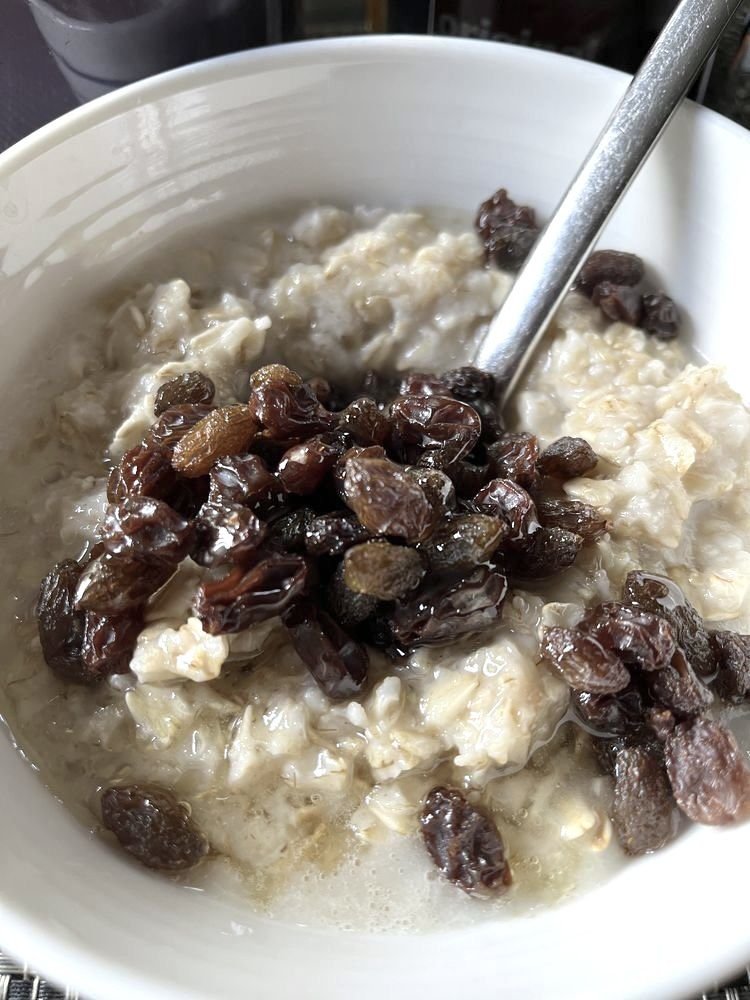
Easy idea: Sprinkle a small handful over oatmeal, cereal, salads, or unsweetened yogurt.
Potassium: About 618 mg per ½ cup.
6. Baked Potatoes
The humble potato gets a bad reputation because of foods like fries and chips. But the potato itself is not the problem.
A medium baked potato, eaten with the flesh, provides about 610 mg of potassium.
The preparation makes a big difference. A baked potato topped with vegetables, beans, yogurt, or herbs is very different nutritionally from a large serving of deep fried fries.
Potatoes are also incredibly versatile. You can bake them, boil them, roast them, or add them to soups and stews.

Easy idea: Bake a potato and top it with plain Greek yogurt, beans, chopped vegetables, and herbs.
Potassium: About 610 mg per medium baked potato.
7. Kidney Beans
Beans are another easy way to bring more potassium into your meals.
One cup of canned kidney beans provides about 607 mg of potassium. They also provide plant based protein and fiber, making them especially useful when you’re trying to build a more filling meal.
If you’re using canned beans, draining and rinsing them can help reduce some of the sodium.
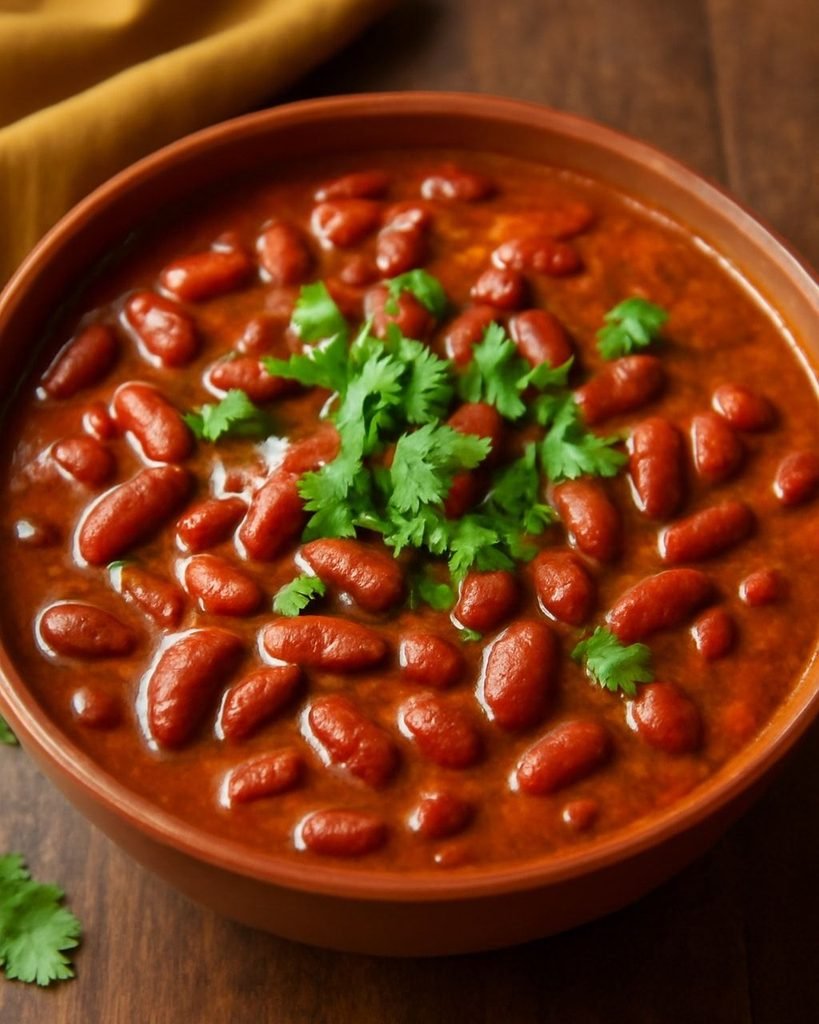
Easy idea: Add kidney beans to chili, soups, salads, rice dishes, or homemade burrito bowls.
Potassium: About 607 mg per cup.
8. Avocado
Now we get to one of the most popular fruits on the list.
Avocado provides potassium along with fiber and unsaturated fats. A 100 gram portion contains roughly 485 mg of potassium, although the exact amount varies with the size and variety.
And no, you don’t have to make avocado toast every morning to enjoy it.
Add sliced avocado to eggs, salads, sandwiches, grain bowls, or tacos. You can also mash it with lemon juice and herbs for a simple spread.
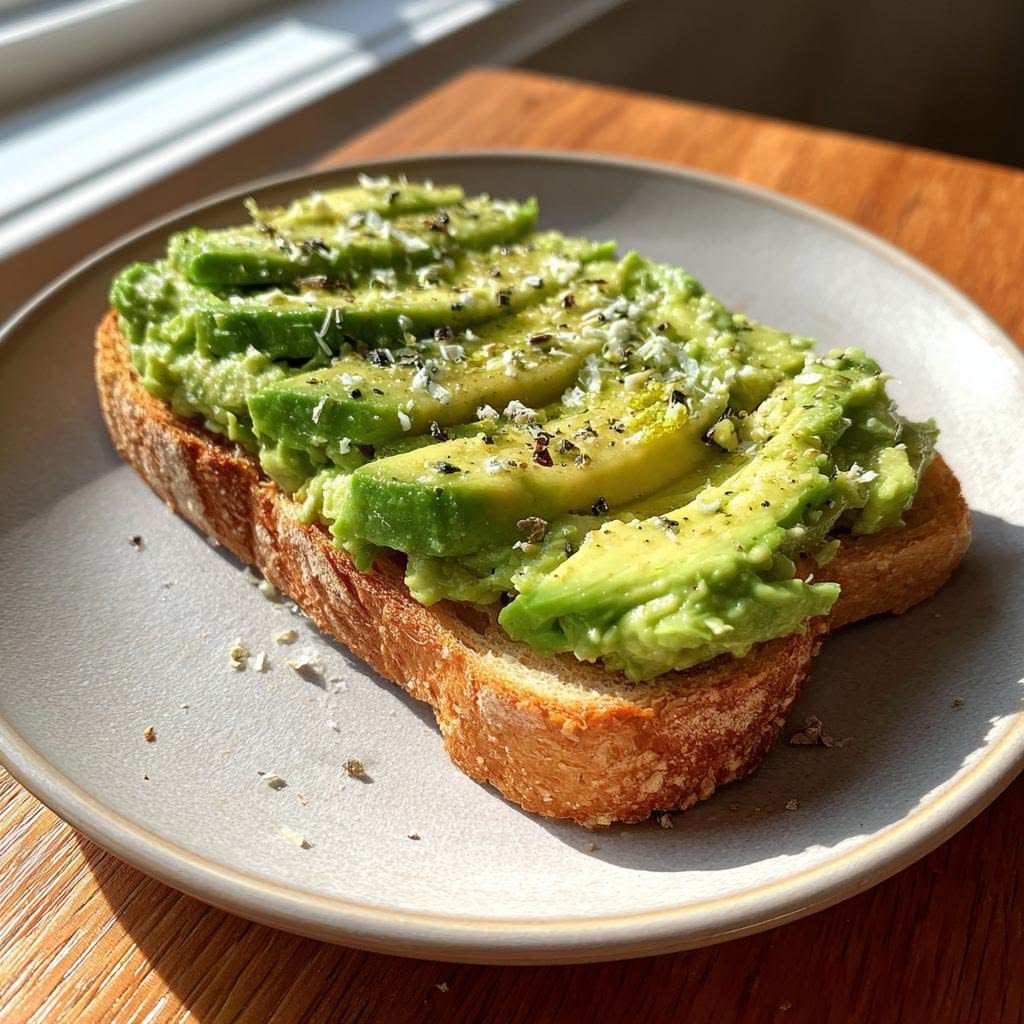
Easy idea: Add avocado to whole grain toast topped with tomato and a boiled egg.
Potassium: About 485 mg per 100 g.
9. Orange Juice
Orange juice can contribute a meaningful amount of potassium to your day. One cup contains about 496 mg.
Whole oranges are also nutritious because they provide fiber, but if you’re drinking juice, portion size matters because juice is easier to consume quickly and doesn’t provide the same amount of fiber as whole fruit.
If you enjoy orange juice, choosing 100 percent orange juice is a better option than a sugary fruit drink.

Easy idea: Enjoy a small glass of 100 percent orange juice with a balanced breakfast.
Potassium: About 496 mg per cup.
10. Spinach
If leafy greens aren’t already appearing on your plate regularly, spinach is an easy place to start.
Two cups of raw spinach provide about 334 mg of potassium. Spinach also gives you fiber and several other nutrients, making it a useful addition to an overall healthy eating pattern.
And spinach isn’t limited to salads. Toss it into omelets, soups, pasta, curries, smoothies, or sandwiches.
Cooking also makes a large pile of spinach shrink dramatically, which means a surprisingly large amount can fit into one meal.

Easy idea: Add a handful of spinach to scrambled eggs or a morning smoothie.
Potassium: About 334 mg per 2 cups raw.
11. Salmon
Potassium isn’t limited to fruits and vegetables.
A 3 ounce serving of cooked Atlantic salmon contains about 326 mg of potassium, while also providing protein and omega 3 fatty acids.
That makes salmon a useful example of why you don’t need to build your entire diet around one food group to get potassium.
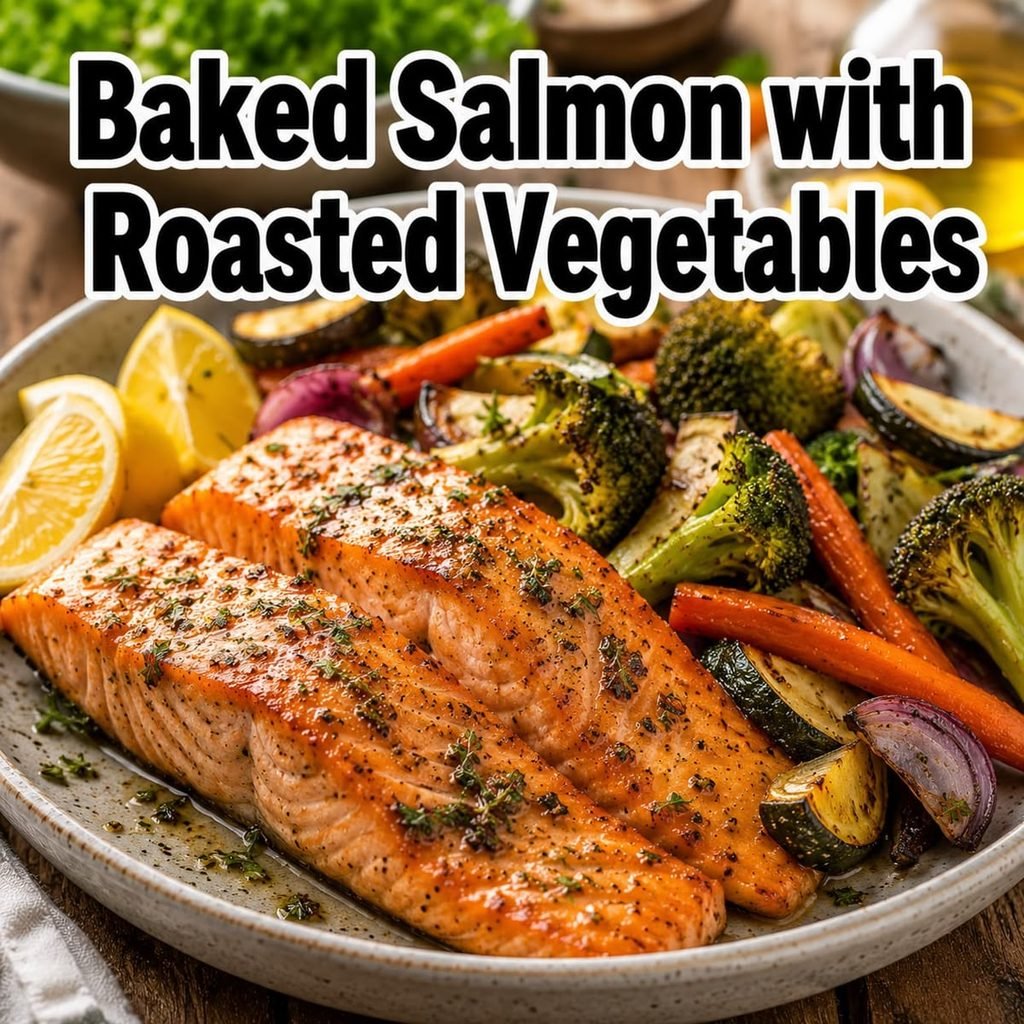
Easy idea: Pair baked salmon with roasted vegetables and a baked potato for a potassium rich dinner.
Potassium: About 326 mg per 3 ounce serving.
12. Yogurt
Yogurt is another potassium containing food that can fit into breakfast, snacks, or even savory meals.
A 6 ounce serving of nonfat fruit yogurt provides around 330 mg of potassium, while plain nonfat Greek yogurt provides about 240 mg per 6 ounce serving.
For an everyday option, look at the nutrition label and choose a yogurt that fits your preferences for added sugar and protein.
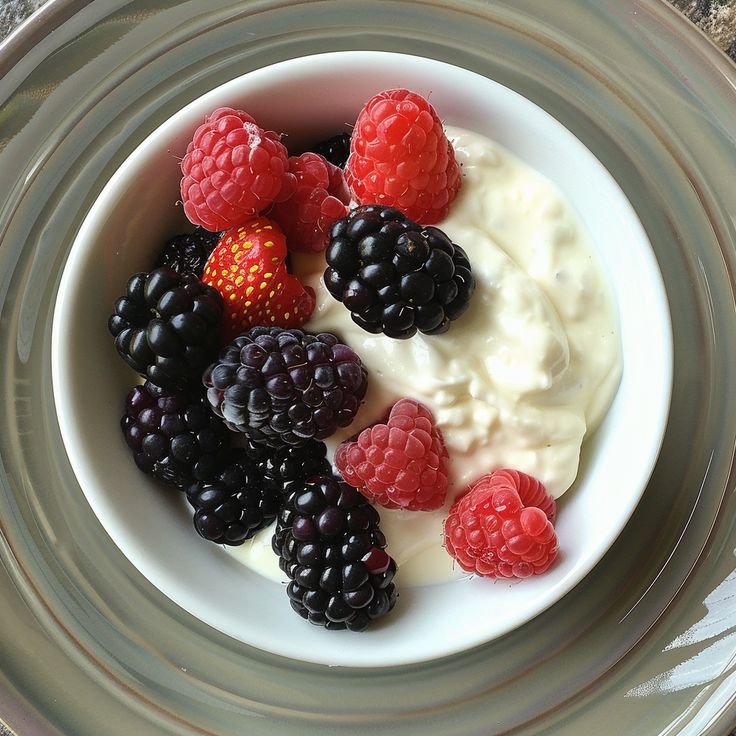
Easy idea: Combine plain yogurt with berries, chopped nuts, and a little cinnamon.
Potassium: About 240 to 330 mg per 6 ounce serving, depending on the type.
13. Broccoli
Broccoli may not be the first food you think of when someone mentions potassium, but it contributes to your overall intake.
Half a cup of cooked chopped broccoli contains about 229 mg of potassium.
It’s also a convenient vegetable because it works in everything from stir fries to soups. If plain steamed broccoli doesn’t excite you, roasting it can completely change the flavor and texture.
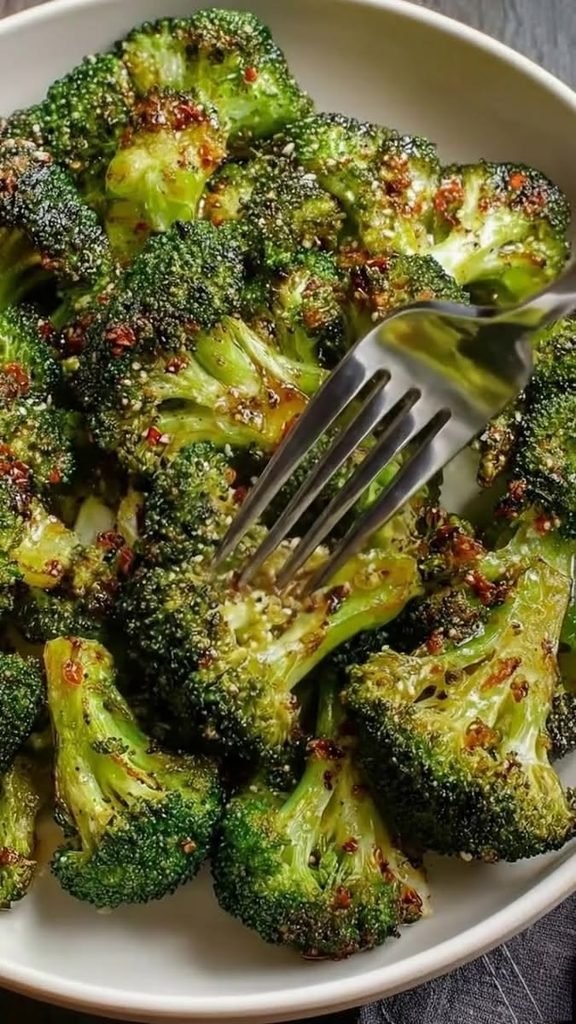
Easy idea: Roast broccoli until the edges are slightly crisp, then finish it with lemon juice and black pepper.
Potassium: About 229 mg per ½ cup cooked.
14. Asparagus
Asparagus is another vegetable that can quietly contribute potassium without adding many calories.
Half a cup of cooked asparagus contains around 202 mg of potassium.
It’s also incredibly easy to prepare. Roast it, grill it, steam it, or add it to an omelet.
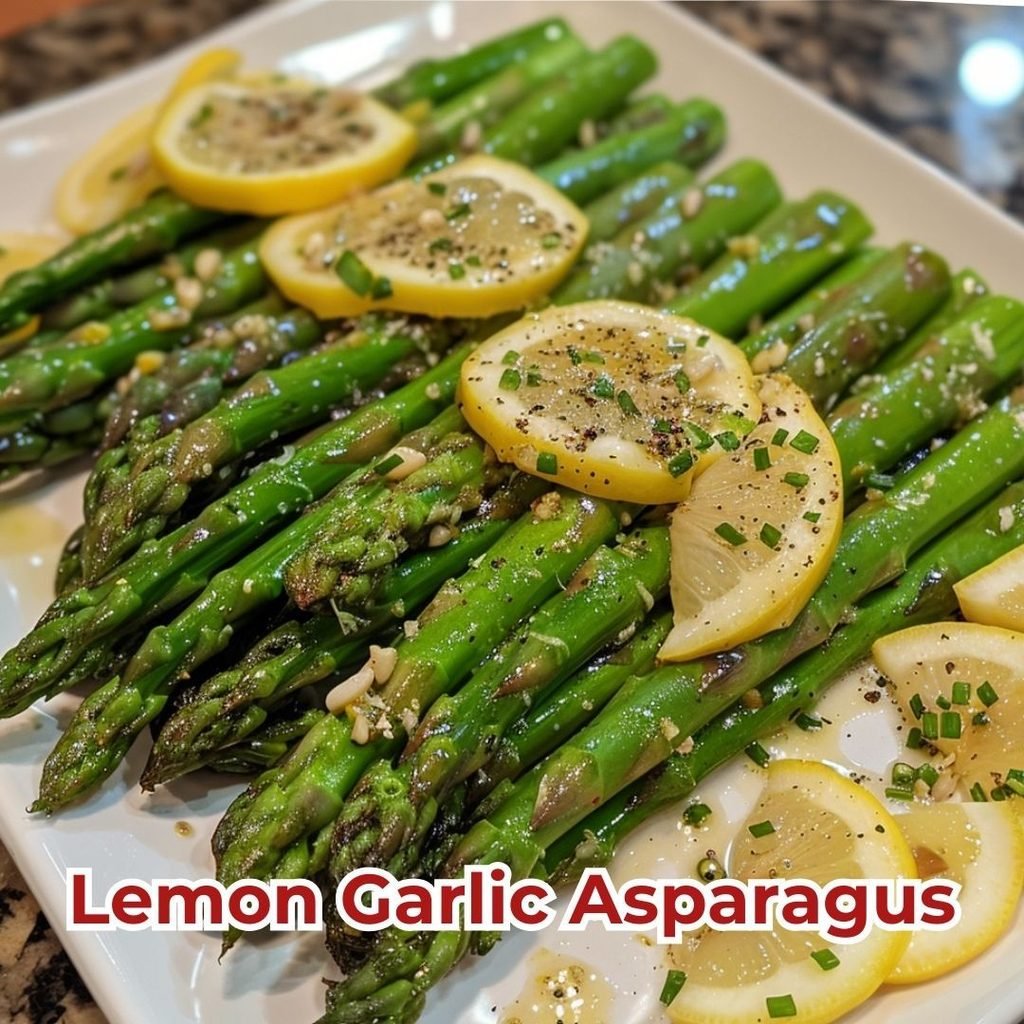
Easy idea: Roast asparagus with olive oil, garlic, and lemon.
Potassium: About 202 mg per ½ cup cooked.
15. Cantaloupe
Want a sweeter way to add potassium? Cantaloupe can help.
Half a cup of cubed cantaloupe provides about 214 mg of potassium. It’s refreshing on its own and works especially well in breakfast bowls or fruit salads.
Because it has a naturally sweet flavor and high water content, cantaloupe can also make a refreshing snack on a warm day.
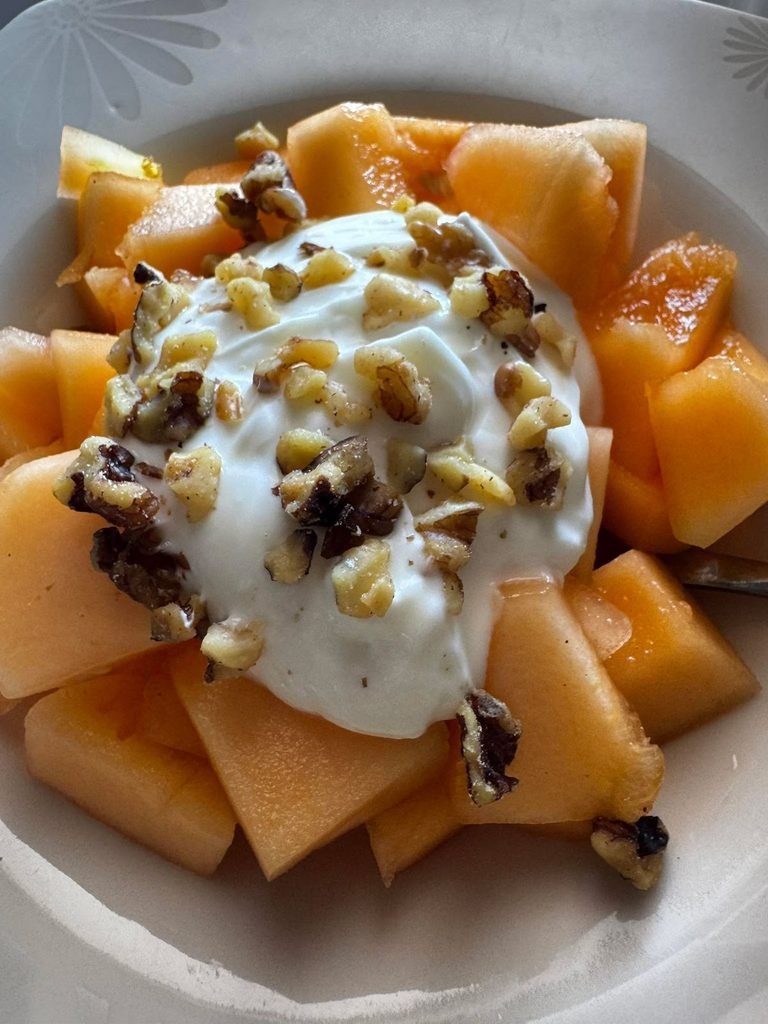
Easy idea: Combine cantaloupe with plain yogurt and a handful of nuts for a simple breakfast.
Potassium: About 214 mg per ½ cup.
16. Soybeans
Soybeans are another plant food that brings potassium, protein, and other nutrients to the table.
Half a cup of boiled mature soybeans provides about 443 mg of potassium. You can also find soy in other forms, such as tofu and soy milk, although the potassium content varies depending on the product.
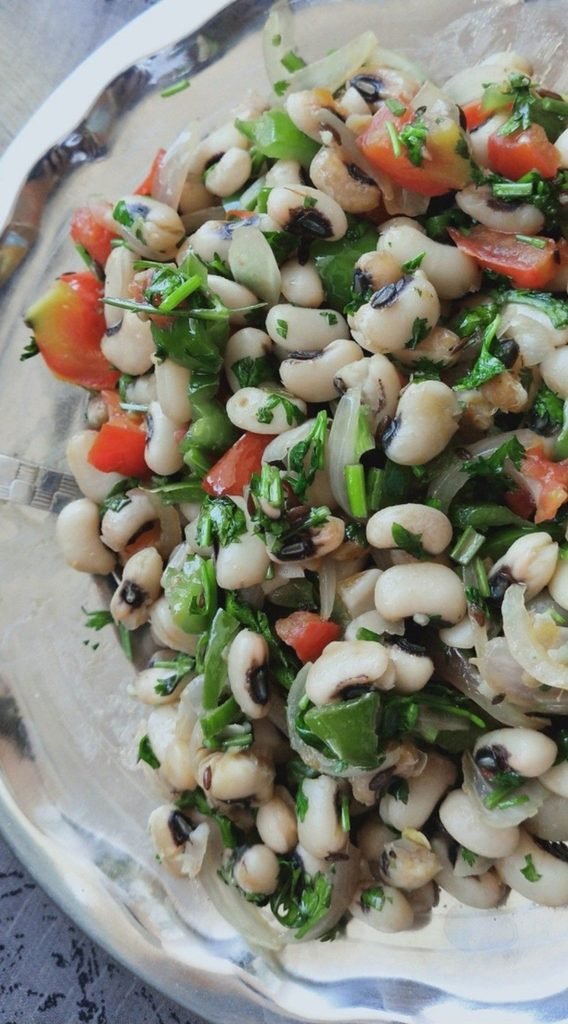
Easy idea: Add cooked soybeans to salads, rice bowls, or vegetable stir fries.
Potassium: About 443 mg per ½ cup cooked.
17. Cashews
Yes, even your snack drawer can contribute.
One ounce of cashews provides about 187 mg of potassium. Cashews also provide protein, healthy fats, and other minerals, making them a convenient addition to snacks and meals.
Just keep portions in mind because nuts are calorie dense. A small handful is usually plenty.
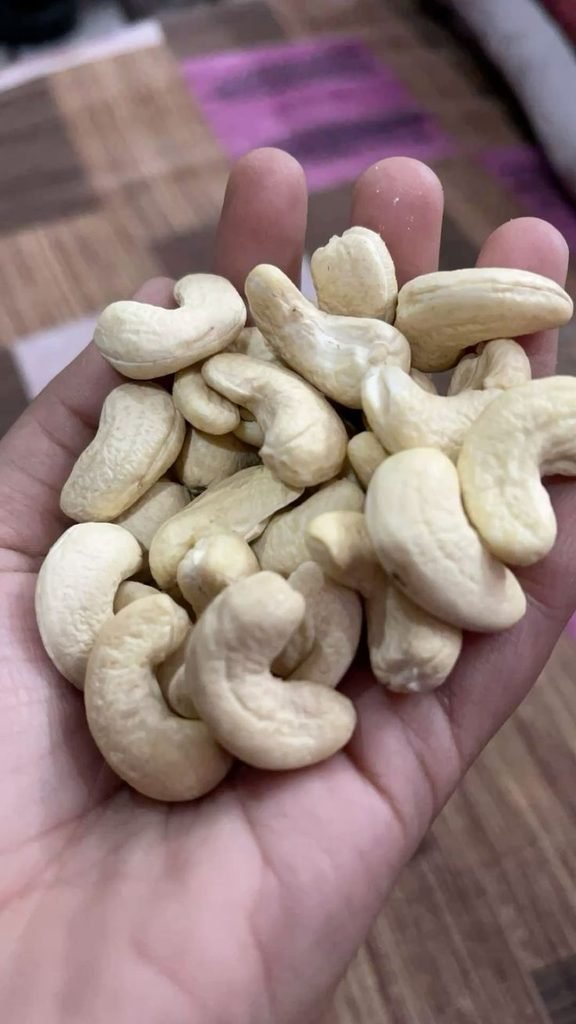
Easy idea: Add a small handful of unsalted cashews to oatmeal, yogurt, or homemade trail mix.
Potassium: About 187 mg per ounce.
So, Is a Banana Still Worth Eating?
Absolutely.
The point isn’t that bananas are somehow overrated. They’re convenient, affordable, portable, and provide a useful amount of potassium. A medium banana contains about 422 mg.
The bigger takeaway is that you have plenty of choices.

If you don’t like bananas, you don’t have to force yourself to eat one every morning just because you heard that potassium means bananas. Potatoes, lentils, beans, dried fruit, spinach, avocado, yogurt, fish, squash, and other foods can all contribute to your potassium intake.
Think variety rather than a single superfood.
What Happens If You Don’t Get Enough Potassium?
Getting too little potassium from food over time isn’t the same thing as having a medical potassium deficiency.
The NIH notes that severe potassium deficiency can cause hypokalemia, a condition in which blood potassium becomes too low. Symptoms can include fatigue, muscle weakness, and constipation, while more serious cases can affect muscle function and heart rhythm.
However, low potassium isn’t something you should try to diagnose from symptoms alone. Vomiting, diarrhea, certain medications, and some medical conditions can affect potassium levels, and blood potassium needs to be interpreted in the appropriate clinical context.
If you have symptoms that concern you, it’s better to speak with a healthcare professional than to assume you simply need more potassium.
Can You Get Too Much Potassium?
This is where the “more is always better” idea needs a reality check.
For most healthy people with normal kidney function, potassium from foods is generally handled well because the kidneys remove excess potassium. But people with chronic kidney disease or impaired potassium excretion, as well as people taking certain medications, may need to limit or carefully monitor potassium.
Potassium supplements and potassium containing salt substitutes deserve particular caution because they can provide concentrated amounts.
If you have kidney disease or take medications that can increase potassium levels, don’t start a potassium supplement or switch to a potassium based salt substitute without asking your healthcare professional first.
What About Potassium Supplements?
For most people, food is a sensible place to start.
Potassium naturally occurs in a wide variety of foods, and those foods bring other nutrients along with it. Potassium supplements are also available, but many commonly sold supplements contain relatively small amounts of potassium per serving.
More importantly, potassium isn’t a nutrient where taking a high dose supplement “just to be safe” is a good idea. Too much potassium can be dangerous for people whose kidneys or medications make it harder to remove excess potassium.
If a doctor has told you that your potassium is low, follow their advice rather than trying to correct the problem yourself with supplements.
An Easy Way to Add More Potassium to Your Diet

You don’t need to completely redesign your kitchen.
Try making a few simple swaps and additions throughout the day.
Breakfast: Yogurt with banana or cantaloupe, plus a small serving of nuts.
Lunch: Lentil or kidney bean salad with spinach and avocado.
Snack: A small portion of dried apricots or raisins with unsalted nuts.
Dinner: Baked potato or squash with salmon and roasted broccoli or asparagus.
You can also add spinach, beans, avocado, or potatoes to meals you’re already eating.
Small changes add up. And because potassium is found in so many different foods, you can build your intake around foods you actually enjoy.
The Bottom Line
Bananas may have become the unofficial celebrity of potassium, but they aren’t the only food worth knowing about.
Potassium rich foods include lentils, potatoes, dried apricots, prunes, raisins, beans, avocado, spinach, squash, yogurt, salmon, soybeans, broccoli, asparagus, and more.
A varied diet can make it much easier to get potassium from food without relying on supplements.
The goal isn’t to chase one magic food or hit a perfect number every single day. Instead, build meals around a variety of fruits, vegetables, beans, whole grains, nuts, dairy or alternatives, and other nutrient rich foods.
And if you have kidney disease, take medications that affect potassium, or have been told that your potassium level is abnormal, get personalized advice before deliberately increasing your potassium intake.
Frequently Asked Questions
What Food Has More Potassium Than a Banana?
Several foods can provide more potassium per serving than a medium banana. Examples include dried apricots, lentils, acorn squash, prunes, raisins, baked potatoes, and kidney beans.
The exact amount depends on the serving size and preparation, so it’s always useful to check the nutrition information for the specific food you’re eating.
What Are the Best Potassium Rich Foods?
There isn’t one single “best” potassium rich food.
Lentils, beans, potatoes, dried fruit, squash, leafy greens, avocado, yogurt, fish, and several fruits and vegetables can all contribute meaningful amounts of potassium.
The easiest approach is to include a variety of these foods throughout your meals rather than relying on one food.
How Much Potassium Do Adults Need Each Day?
Current U.S. adequate intake levels for adults ages 19 and older are 3,400 mg per day for men and 2,600 mg per day for women.
Potassium needs can be different during pregnancy and breastfeeding, so individual needs should be discussed with a healthcare professional when appropriate.
Are Bananas the Best Source of Potassium?
Bananas are a convenient source of potassium, but they aren’t the highest potassium food.
A medium banana provides about 422 mg, while several other foods can provide substantially more potassium in a typical serving.
Can People With Kidney Disease Eat Potassium Rich Foods?
It depends on the person’s kidney function, blood potassium levels, medications, and individual treatment plan.
People with impaired potassium excretion may need to limit potassium, so they should not make major dietary changes without discussing them with their healthcare professional.
Can Low Potassium Make You Feel Tired?
Significantly low blood potassium, known as hypokalemia, can cause symptoms such as fatigue and muscle weakness.
However, tiredness has many possible causes, so fatigue by itself does not mean that your potassium level is low. A healthcare professional can determine whether testing is appropriate.
Medical Disclaimer
The information provided in this article is for general educational and informational purposes only. It is not intended to diagnose, treat, cure, or prevent any disease, medical condition, or health problem, and it should not be considered a substitute for professional medical advice, diagnosis, or treatment.
Potassium needs vary from person to person. If you have kidney disease, heart disease, diabetes, an abnormal potassium level, or take medications that affect potassium levels, speak with a qualified healthcare professional before significantly changing your potassium intake or using potassium supplements or potassium based salt substitutes.
If you experience severe muscle weakness, heart palpitations, fainting, difficulty breathing, or other concerning symptoms, seek prompt medical attention.
The Health Dose makes reasonable efforts to provide accurate and up to date health information, but nutritional and medical guidance can change as new evidence becomes available.