

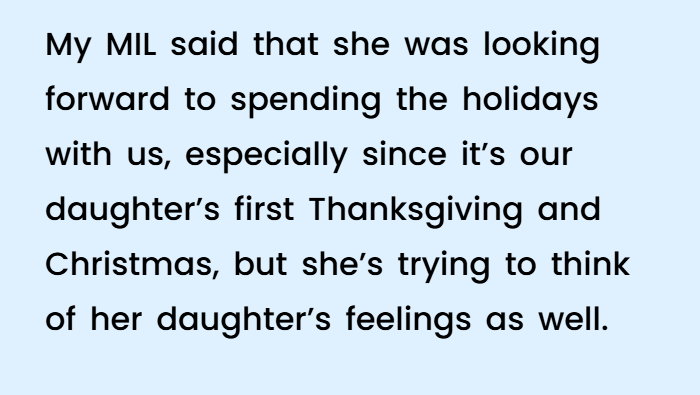
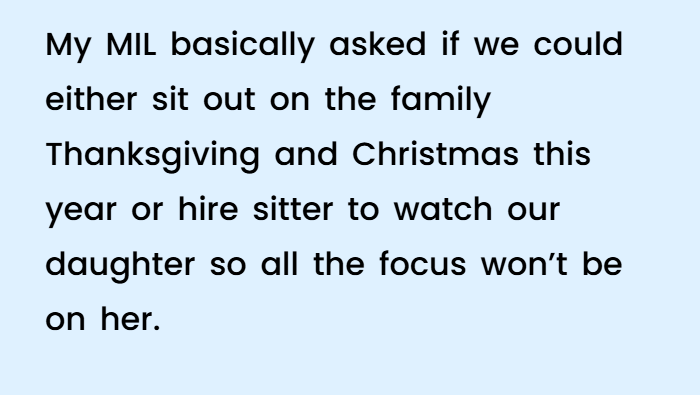
What starts as a seemingly well intentioned family conversation quickly turns into an emotional conflict when one person is asked to make a major sacrifice for someone else’s feelings.
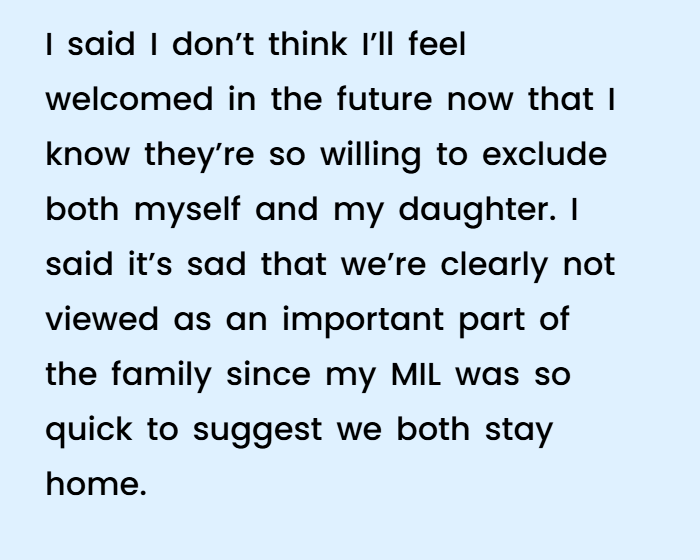
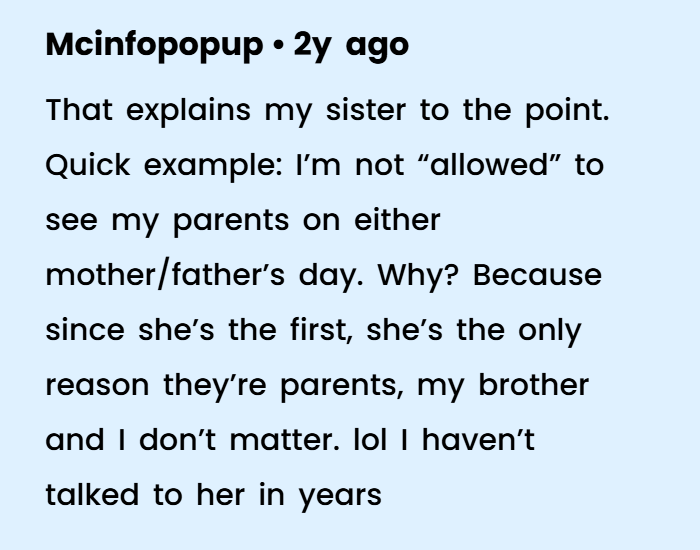
The request leaves her questioning her place in the family and wondering whether being understanding means putting her own feelings and those of her immediate family aside.
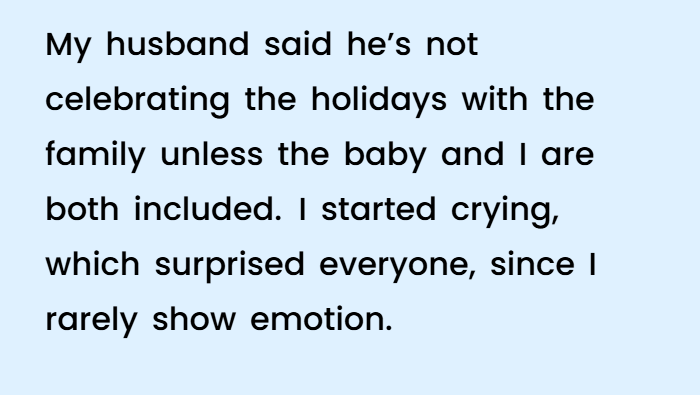
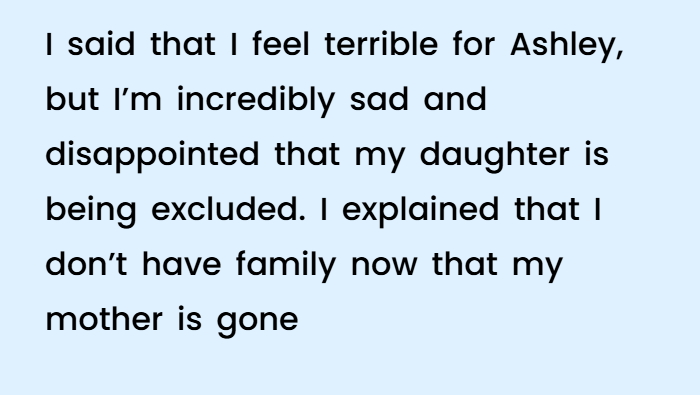
As emotions rise, what should have been a sensitive discussion becomes a painful question about boundaries, inclusion, and whether everyone’s feelings are being considered equally.

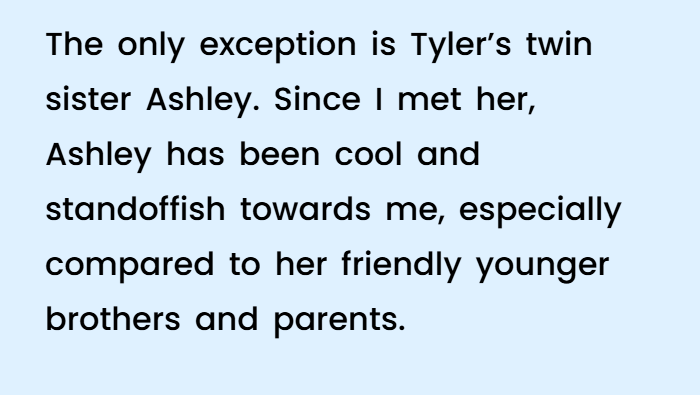
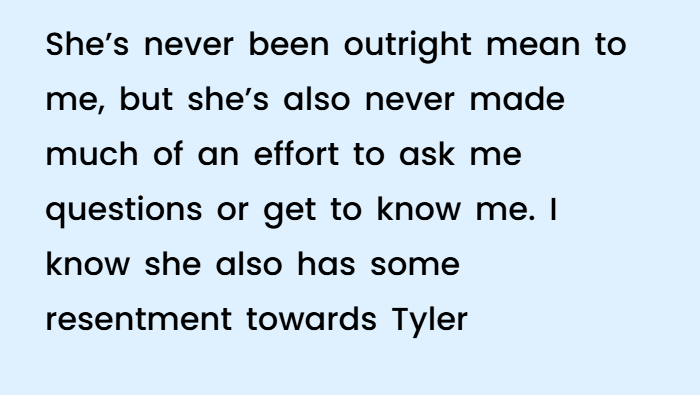

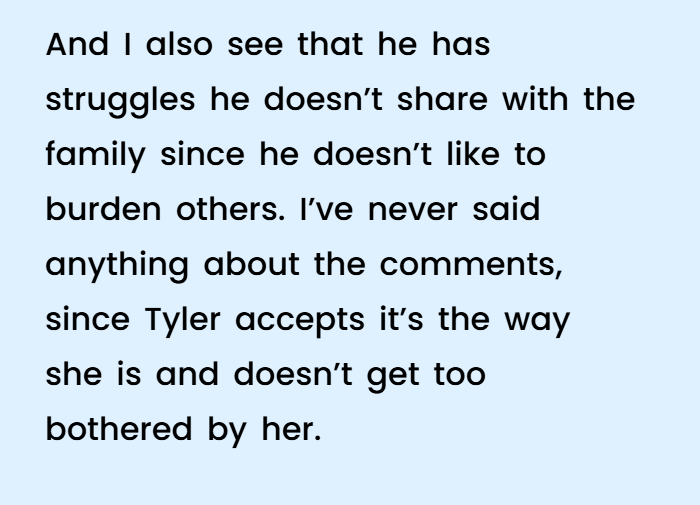
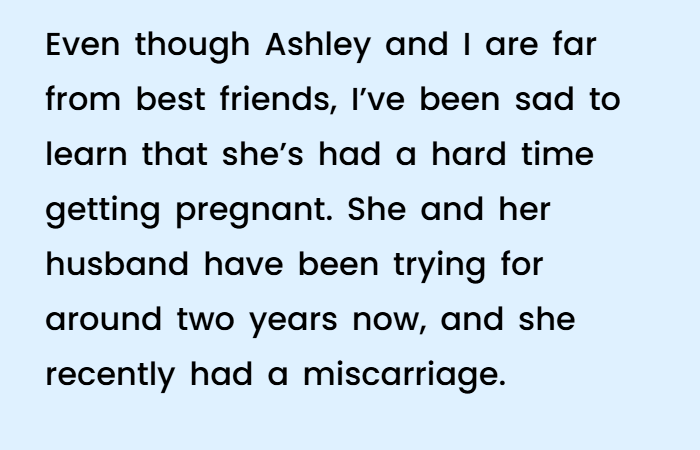





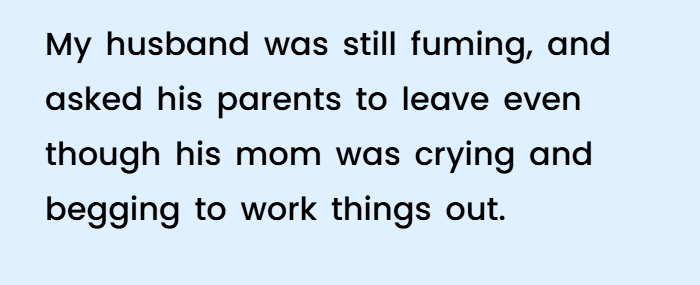
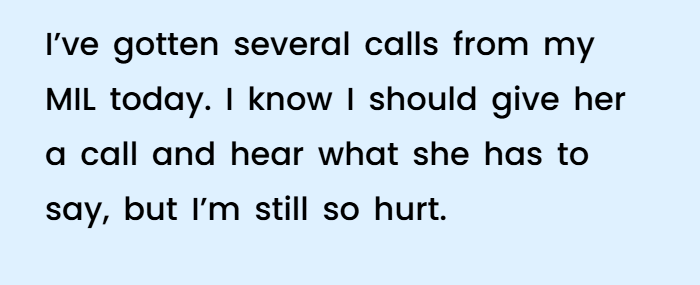
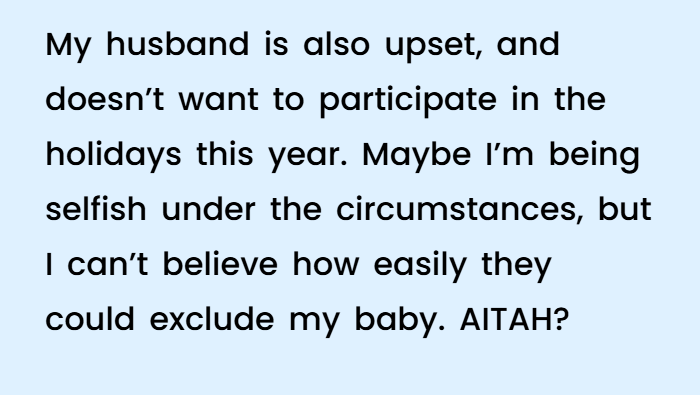
What Do You Think?
This situation quickly becomes more complicated than it first appears, because everyone involved seems to have their own reasons for feeling hurt, protective, or misunderstood.
What may have started as an attempt to handle a sensitive family situation has instead raised bigger questions about boundaries, fairness, and whether one person’s feelings should take priority over everyone else’s.
At the same time, walking away from a family tradition or refusing a request can also have consequences that are difficult to undo. Was the request understandable under the circumstances, or did it go too far? And was the reaction justified?
Check The Comment Section Below



Analysis: Was She Wrong To Feel Hurt?
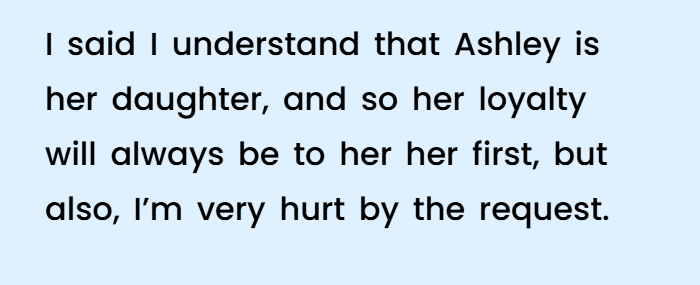
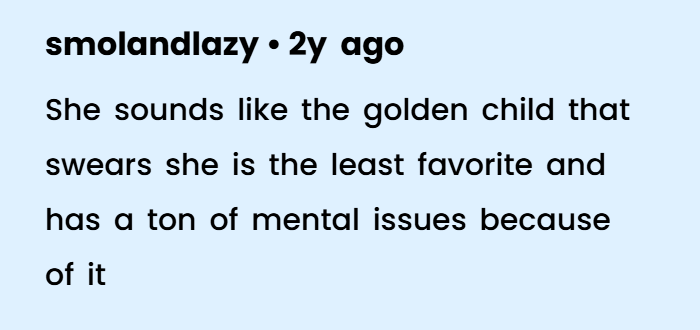
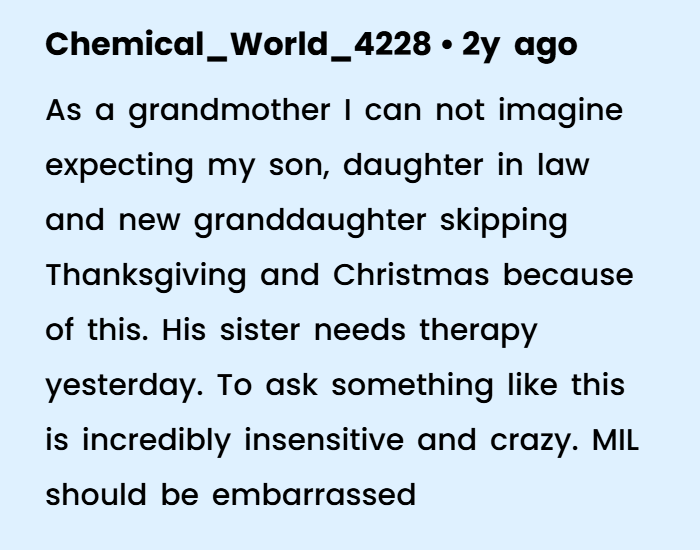
The difficult part of this situation is that two things can be true at once: Ashley can genuinely be hurting, and the new mother can still be deeply hurt by the solution her MIL proposed. Asking a grieving woman to avoid a family gathering where a new baby will naturally receive attention may have come from a place of concern, but excluding the baby from her first Thanksgiving and Christmas puts the burden of managing Ashley’s emotions on the wrong people. The mother had already shown considerable sensitivity toward Ashley, so it is understandable that she felt especially rejected when her MIL suggested that she and her daughter simply stay home.
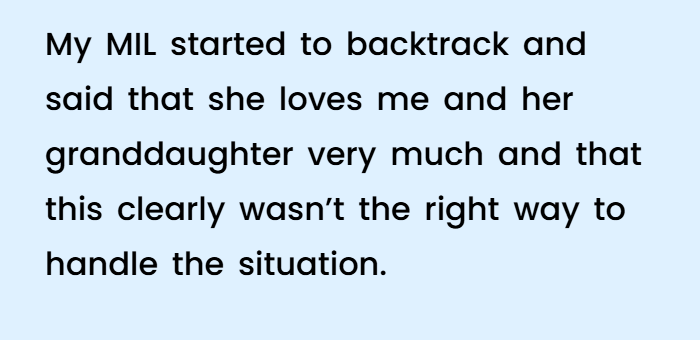
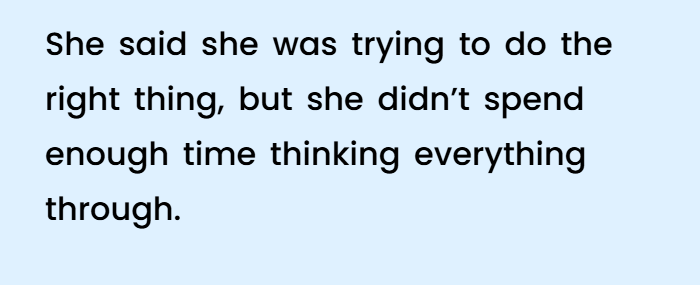
At the same time, the MIL does not necessarily appear to have acted out of cruelty or a desire to reject her granddaughter. She seems to have been desperately trying to protect her daughter during an emotionally painful period and made a poorly thought out decision. The bigger issue is that family support does not have to mean choosing one person over another. A healthier approach would have been to acknowledge Ashley’s feelings while still allowing the new parents and their baby to be part of the holiday, perhaps by giving Ashley space, checking in with her privately, or simply accepting that some attention would naturally be on the newest member of the family.