

You know how it usually goes. You decide that this time, you’re really going to lose weight, so Monday morning becomes the beginning of your “new life.” You drink more water, skip the foods you think you shouldn’t be eating, promise yourself you’ll exercise every day, and feel pretty confident that this time things will be different.
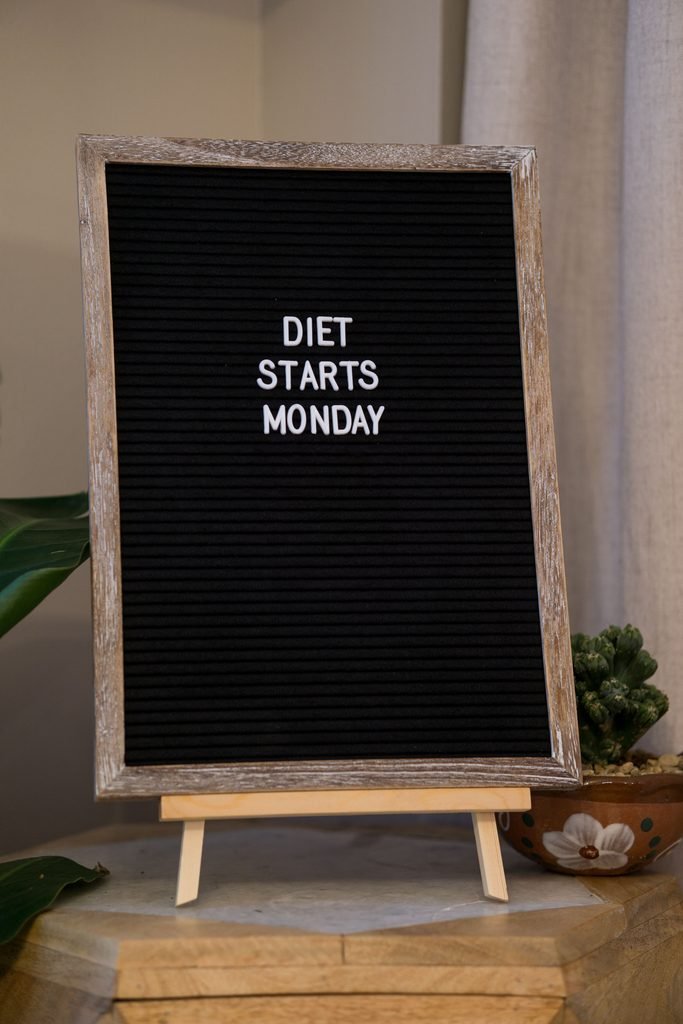
For the first few days, it might actually feel easy. Then Wednesday arrives, you’re hungry, you’re tired, and someone brings your favorite food into the house. Suddenly, the plan that seemed so manageable on Monday feels like something you have to fight against every hour of the day.
If that sounds familiar, there’s something worth considering before you decide that you simply need more willpower. Your weight loss plan may be making things harder than they need to be.
Losing weight does involve creating a calorie deficit, but that doesn’t mean you have to spend your life feeling hungry or treating every enjoyable food as the enemy. A sustainable approach is one that fits into your real life, including busy days, restaurant meals, family dinners, cravings and the occasional dessert. NIDDK emphasizes that the key is choosing a healthy eating plan that you can maintain over time.
And that brings us to the small change that can make everything feel a little different: instead of constantly trying to eat less, start paying more attention to how satisfying your meals are.
The Problem With Trying To Eat As Little As Possible
There’s a strange idea surrounding dieting that refuses to disappear: the less you eat, the better your results will be. So someone trying to lose weight might have a tiny breakfast, a small lunch and a dinner that leaves them thinking about food again an hour later. It may feel disciplined at first, but constantly fighting hunger can make a weight loss plan incredibly difficult to maintain.
This is where many people get caught in the same cycle. They restrict their food during the day, become increasingly hungry and eventually eat much more than they intended, only to feel guilty afterward and promise to “start again” the next morning. The problem isn’t necessarily that they don’t know what healthy food looks like; the problem is that their plan isn’t working well with their everyday appetite, schedule and lifestyle.
So instead of asking yourself, “How can I make this meal smaller?”, try asking a different question: “How can I make this meal more satisfying?” That small change in thinking can completely alter the way you approach food. Rather than simply removing things from your plate, you start thinking about what you can add to make your meals more filling and nutritious.
This doesn’t mean you can eat unlimited amounts of healthy food and expect weight loss to happen automatically. Calories still matter, and weight loss generally requires taking in fewer calories than your body uses over time. But there is a big difference between creating a sensible calorie deficit and trying to survive on as little food as possible.
Start Paying Attention To What’s Actually On Your Plate
Think about one of your usual meals. Does it contain a reasonable source of protein, some vegetables or fruit and a source of fiber, or is it mostly made up of foods that are easy to eat quickly but don’t keep you satisfied for very long? You don’t need to completely redesign your diet overnight, but paying attention to the overall composition of your meals can give you a much better starting point.
For example, adding eggs to breakfast, beans or chicken to lunch, and vegetables alongside dinner can make a meal feel substantially more complete. Foods such as eggs, seafood, poultry, beans, peas, lentils, nuts and seeds can contribute protein, while vegetables, whole fruits and whole grains can provide fiber and other important nutrients. These foods are also part of healthy eating patterns recommended by federal nutrition guidance.
This can also change what happens later in the day. If lunch actually leaves you feeling satisfied, you may be less likely to spend the entire afternoon searching for something to snack on, and you may arrive at dinner feeling comfortably hungry rather than ravenous. That’s a much easier situation to manage than trying to rely on willpower when you’re already extremely hungry.
You also don’t have to make every meal perfect. Maybe breakfast is rushed one morning, or lunch comes from a restaurant, or dinner ends up being whatever your family is eating. The goal is to improve the overall pattern of your meals rather than turning every plate into a test you can either pass or fail.
Protein Can Make Meals More Satisfying
Protein gets a lot of attention in the weight loss world, sometimes for good reason and sometimes because social media turns everything into a miracle solution. Protein isn’t a magic fat-burning ingredient, but including protein-rich foods in your meals can be part of a satisfying eating pattern. Eggs, yogurt, fish, chicken, lean meat, beans, lentils, tofu, nuts and seeds are all examples of foods that can contribute protein.
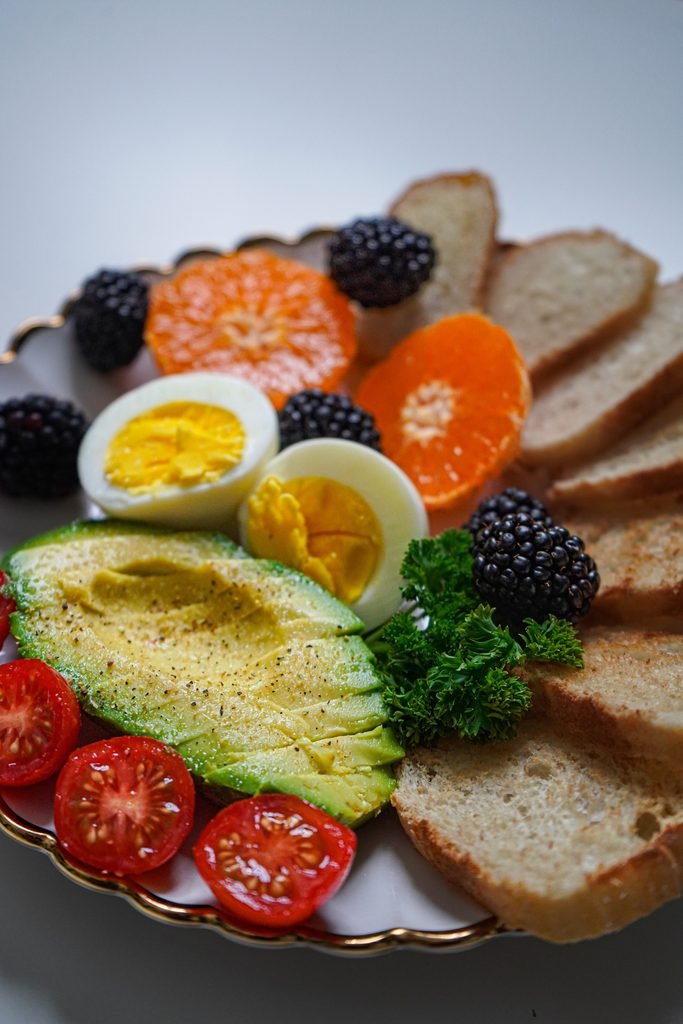
The important thing is not to become obsessed with hitting some arbitrary number every day. Instead, look at your meals and ask whether there is a meaningful source of protein present. A breakfast of eggs, whole grain toast and fruit, for example, gives you a very different combination of foods from a breakfast consisting mainly of a sweet pastry and sugary coffee.
That same principle applies to lunch and dinner. A bowl of rice doesn’t have to disappear from your diet simply because you’re trying to lose weight; you can pair a reasonable portion with protein and vegetables. When meals contain a mixture of nutritious, filling foods, it can become easier to manage portions without feeling like you’re constantly taking food away from yourself.
And if you’re someone who gets hungry again shortly after eating, this is worth experimenting with. Rather than immediately deciding that you need to eat fewer calories, look at the meal you just had and ask what might have been missing. Sometimes the answer is simply that the meal wasn’t particularly satisfying in the first place.
And Don’t Forget About Fiber
If protein gets all the attention, fiber often gets forgotten. Yet vegetables, fruits, beans, lentils, whole grains, nuts and seeds can all contribute fiber while also adding texture, volume and nutrients to your meals. For someone trying to manage their weight, that combination can be much more useful than simply looking for foods with the lowest possible calorie number.
Imagine replacing a very small lunch with a plate containing vegetables, a protein source and a reasonable portion of rice, potatoes or another carbohydrate. You haven’t necessarily made the meal dramatically smaller; you’ve changed what makes up the meal. NIDDK’s weight management guidance recommends a healthy eating pattern that includes vegetables, whole fruits, whole grains and protein foods such as beans, peas and lentils.
This is also why you don’t have to turn carbohydrates into the enemy. Rice, potatoes, oats, whole grain bread and fruit can all fit into an overall healthy eating pattern. What matters is the overall amount and nutritional balance of your diet, rather than declaring one particular food group completely off limits.
If you love rice, keep rice. If potatoes are part of your normal family meals, you don’t have to ban them from the kitchen. A more realistic approach is to think about the portion, what you’re eating alongside them and how the meal fits into your overall eating pattern.
There’s Another Place To Look: Your Drinks
Here’s something people sometimes overlook when they’re trying to improve their diet: what they’re drinking. You might carefully consider every bite of food while barely thinking about the calories coming from soda, sweetened coffee, milkshakes, sweet tea or other sugary drinks. NIDDK recommends choosing water instead of drinks with added sugar as one strategy that can support weight management.

This doesn’t mean you need to swear off every sweet drink forever. If you genuinely enjoy one occasionally, it can fit into an overall eating pattern; the bigger question is whether you’re drinking calorie-containing beverages several times a day without really thinking about them. Replacing some everyday sugary drinks with water or another lower-calorie option can be a relatively simple change that doesn’t require you to completely rethink your meals.
This is where small changes become useful. You don’t have to wake up tomorrow and change breakfast, lunch, dinner, snacks, exercise and your entire grocery list at the same time. If you usually drink three sugary beverages a day, changing even one of those habits gives you something concrete to work on.
And once that feels normal, you can look for another small change. That’s much less overwhelming than trying to become a completely different person overnight.
You Don’t Have To Give Up Your Favorite Foods
This might be one of the most important things to understand if you’ve tried multiple diets. You don’t need to create a life in which pizza, chocolate, cake or your favorite restaurant meal no longer exists. Eventually, you’re going to encounter those foods because they’re part of normal life.
You have a birthday. You go out with friends. Your family orders takeout. You travel. You have a stressful day and want something comforting. A weight loss approach that only works when everything around you is perfectly controlled is going to become difficult the moment real life gets involved.
Instead, learn how to include foods you enjoy without letting one meal turn into a reason to abandon your goals. You can have dessert without deciding that you’ve “ruined” your diet, and you can enjoy a restaurant meal without telling yourself that you need to compensate for it the following day.
NIDDK notes that setbacks are normal and recommends regrouping and returning to your healthy eating plan rather than allowing an overeating episode to derail the entire effort.
What Happens When You Eat Too Much?
Let’s say you went out for dinner and ordered the pasta. Then there was dessert, and maybe you ate more than you planned. What should you do the next morning? You don’t need to starve yourself, skip meals or decide that you’ve ruined everything and have to wait until Monday to start again.
Instead, return to your normal routine and continue with your usual healthy eating pattern. One meal doesn’t erase everything you did before it, and it doesn’t require you to punish yourself afterward. NIDDK specifically recommends treating setbacks as normal and getting back to your healthy eating plan as soon as possible.
This mindset can be incredibly helpful because it breaks the all-or-nothing cycle. Instead of thinking about your diet as something you either follow perfectly or fail completely, you begin seeing healthy eating as something you can return to again and again.
You Don’t Need To Earn Your Food With Exercise
Exercise is important for your health, but try not to think of it as punishment for eating. You ate dessert, therefore you must run; you had a big dinner, therefore you need to spend an hour on the treadmill. That mentality can turn movement into something you dread instead of something that supports your health.
Walking can be a great place to begin if you’re currently inactive. Dancing, cycling, swimming, strength training and other activities can count too, and NIDDK recommends starting slowly and building activity gradually when you’re not currently active.

For generally healthy adults, current guidance recommends working toward at least 150 minutes of moderate-intensity aerobic activity each week, along with muscle-strengthening activity on at least two days. But if you’re starting from very little activity, you don’t have to jump straight into that target; gradually increasing your activity can be a more realistic approach.
And there’s another reason not to view exercise purely as a calorie-burning tool. Regular physical activity has health benefits even when the scale doesn’t move exactly as you hoped. That makes movement worth keeping in your life regardless of what the bathroom scale says.
The Scale Isn’t Going To Behave Perfectly
This is where many people lose motivation. They eat better for a week, walk more, drink fewer sugary drinks and make an effort to stick to their plan, only to step on the scale and see almost no change. Cue the thought: “What’s the point?”
But body weight isn’t perfectly predictable from one day to the next. Changes in body fluids, food and other normal factors can affect what the scale shows, which is why one weigh-in doesn’t tell you everything about your progress.
Instead, try looking at the bigger picture. Are you becoming more consistent? Are your meals more balanced? Are you moving more? Are you eating fewer sugary foods and drinks? Are your clothes fitting differently or are everyday activities becoming easier?
Weight loss can also become harder to maintain as the body adapts. NIDDK notes that metabolism slows during weight loss and that hormonal and other changes can make maintaining weight loss challenging.
That doesn’t mean your efforts aren’t working. It means the process isn’t always as neat and predictable as the before-and-after pictures on social media make it appear.
There Is No Prize For Losing Weight The Fastest
The internet loves dramatic transformations. “Lose 20 pounds fast.” “Drop a dress size in two weeks.” “Burn fat overnight.” Those headlines are attention-grabbing, but they can also create unrealistic expectations about what healthy weight loss is supposed to look like.
CDC says people who lose weight gradually, at about 1 to 2 pounds per week, are more likely to keep it off than people who lose weight more quickly. That doesn’t mean everyone will lose weight at exactly that rate, and individual results can vary.
NIDDK also notes that an initial goal of losing about 5% to 10% of starting body weight over six months is commonly recommended for adults who have overweight or obesity. Even that relatively modest goal can be more realistic than setting an enormous target that makes the entire process feel impossible.
So if you’re losing weight more slowly than someone online claims they did, that doesn’t automatically mean you’re doing something wrong. Your body, circumstances, eating pattern, activity level and health history are your own, and weight management can be affected by factors including medications, medical conditions, stress, hormones, genetics, age and environment.
What If You Don’t Feel Motivated?
This may be the part nobody wants to hear: motivation isn’t going to show up every morning. Some mornings you’ll want to exercise, while other mornings you’ll want to stay in bed, and some days a healthy dinner will sound wonderful while other days you’ll wonder why you ever decided vegetables were a good idea.
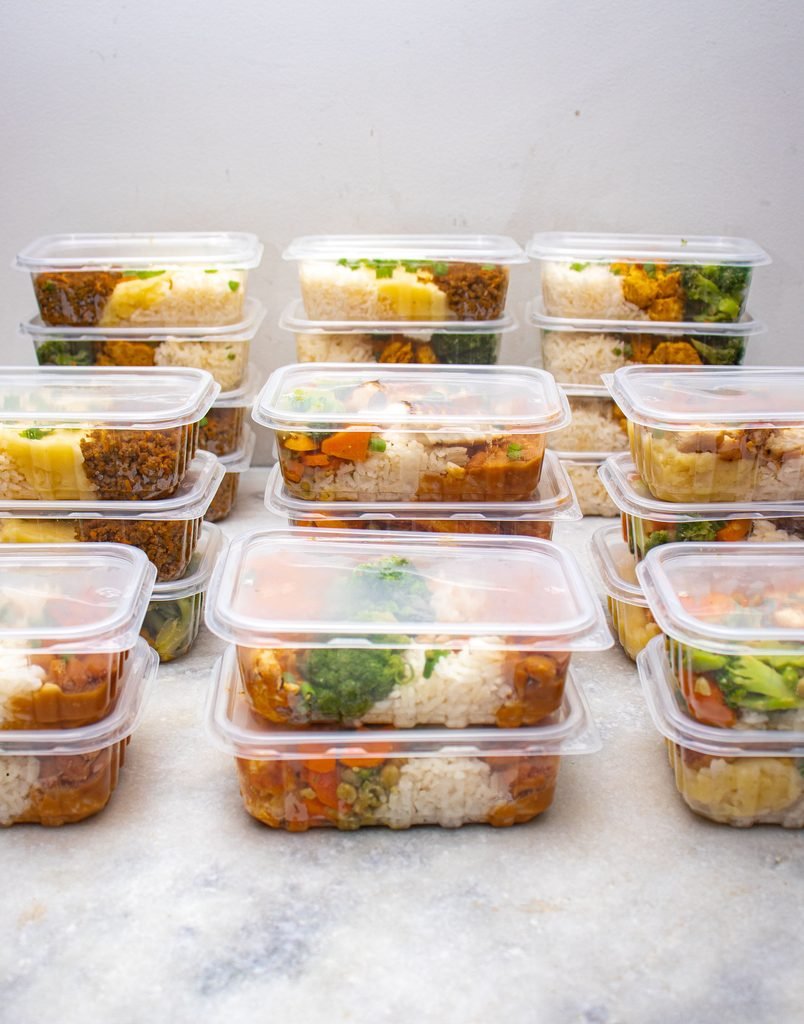
That’s normal, and it’s one reason habits matter so much. Instead of relying entirely on motivation, make the healthier choice easier by keeping fruit and other nutritious snacks available, planning meals before you’re extremely hungry, keeping tempting foods less visible and putting your walking shoes somewhere you can actually see them.
NIDDK recommends setting specific goals, preparing for setbacks and making healthier choices easier to follow. It also recommends seeking support from family, friends or healthcare professionals when appropriate.
Think of it as reducing the number of decisions you have to make. If you’re exhausted at the end of the day and the only convenient food in the house is highly processed takeout, choosing something else requires considerably more effort. But if you’ve already prepared something or have a simple meal available, the healthier choice becomes much easier.
Maybe Your Goal Needs To Be Smaller
There’s another reason weight loss can feel overwhelming: you may be thinking about the entire journey at once. If you’re imagining the number of pounds you ultimately want to lose, the distance between where you are today and where you want to be can feel enormous.
Instead, focus on the next change. Maybe your goal this week is to walk after dinner three times, drink fewer sugary beverages or include a protein-rich food at breakfast. These goals may not feel dramatic, but they’re concrete enough to actually do.
NIDDK recommends realistic goals and notes that an initial weight-loss goal of 5% to 10% of starting weight over six months can be appropriate for many adults with overweight or obesity.
The point isn’t to convince yourself that small changes are magical. It’s to recognize that sustainable weight management is built from repeated behaviors. One healthy breakfast won’t transform your body, but hundreds of ordinary breakfasts can become part of a very different routine.
What Your Day Could Look Like
You don’t need a complicated meal plan to put this idea into practice. Imagine starting the morning with eggs, yogurt or another protein-rich food alongside fruit and perhaps whole grain toast or oats. Lunch could include chicken, fish, beans or lentils with vegetables and a reasonable serving of rice, potatoes or another carbohydrate.
If you’re hungry between meals, you could choose something such as fruit with yogurt, vegetables with hummus, or another snack that works for your preferences and overall calorie needs. Dinner could follow a similar pattern, with a protein source, plenty of vegetables and a portion of the carbohydrate you enjoy.
And if you want something sweet after dinner, that doesn’t automatically mean the day has failed. The point is to create meals that are satisfying enough that you aren’t constantly fighting hunger, while keeping your overall intake aligned with your weight-management goals.
There is no requirement to eat these exact foods. Your culture, budget, schedule, preferences and health needs all matter, which is one reason NIDDK recommends weight-loss approaches that can be tailored to individual needs and preferences.
Try This Tomorrow
Don’t wait for next Monday. Don’t clean out your entire kitchen tonight, buy an expensive diet plan or promise yourself that you’ll never eat dessert again. Tomorrow, make one meal more satisfying than it usually is.
Look at your plate and ask whether you have a protein source, some vegetables or fruit and a reasonable portion of the foods you enjoy. If you normally drink a sugary beverage with that meal, consider switching it to water or another lower-calorie option, and if you have time afterward, take a short walk.

Then go about your day without turning that one meal into another complicated challenge. You don’t need to make five perfect choices in a row, and you don’t need to earn your dinner with exercise. The goal is simply to make the next reasonable choice instead of waiting for a perfect day.
The Small Change Is Bigger Than It Looks
Weight-loss advice often makes people believe they need to completely transform their lives. New diet, new workout, new grocery list, new schedule, new rules and a completely new version of themselves. No wonder so many people eventually get tired of it.
A more realistic approach can be much less dramatic. Make your meals more satisfying, pay attention to portions, drink fewer calories when you can, move your body regularly and give yourself enough flexibility to live a normal life. Those habits may not create the dramatic transformation promised by a two-week internet challenge, but they’re much easier to imagine continuing six months from now.
There isn’t one perfect eating plan that works for everyone. NIDDK notes that different approaches can promote weight loss, but a useful plan should be supported by evidence and tailored to your health, cultural needs, preferences and values well enough that you can maintain it over the long term.
And that’s the part that often gets lost in the weight-loss conversation. You don’t need a perfect diet or a completely new life to begin making changes. You need a realistic approach that still makes sense when it’s an ordinary Tuesday and you’re tired, busy and surrounded by normal food.
Because eventually, the motivation fades and the excitement wears off. Life gets busy again, and when that happens, the habits that were simple enough to keep doing are the ones that remain.
Frequently Asked Questions
What Is The Small Change That Can Make Losing Weight Easier?
One useful change is to stop focusing exclusively on eating less and start paying more attention to how satisfying your meals are. Including protein-rich foods, vegetables, fruits, whole grains and other nutritious foods can help you build meals that are more filling and easier to maintain as part of a healthy eating pattern.
Do I Have To Count Calories To Lose Weight?
Not necessarily. Calorie intake still matters for weight loss, but some people find detailed tracking helpful while others prefer using portion awareness and changes in their food choices. The most useful approach is one that fits your needs and that you can follow consistently.
Can I Eat Rice And Still Lose Weight?
Yes. Rice can be part of a healthy eating pattern, and you don’t automatically need to eliminate carbohydrates to lose weight. Pay attention to portions and consider pairing rice with a protein source and vegetables so that the overall meal is balanced and satisfying.
What Foods Can Help Keep Me Full While Losing Weight?
Protein-rich foods such as eggs, yogurt, seafood, poultry, beans and lentils can be part of satisfying meals. Vegetables, whole fruits and whole grains can also add fiber, volume and important nutrients. Your individual calorie and nutrient needs vary, so there isn’t one combination that is right for everyone.
Is Walking Enough To Lose Weight?
Walking is an excellent way to become more physically active, especially if you’re currently inactive. NIDDK recommends gradually working toward at least 150 minutes of moderate-intensity activity each week for generally healthy adults, while noting that even shorter periods of activity count.
Should I Stop Eating After I Overeat?
No. Trying to compensate by starving yourself can make it harder to return to a sustainable eating pattern. NIDDK recommends treating setbacks as normal and getting back to your healthy routine as soon as possible rather than allowing one overeating episode to derail your progress.
How Fast Should I Lose Weight?
CDC describes gradual weight loss of about 1 to 2 pounds per week as a pace associated with better long-term weight maintenance, although individual results vary. Your healthcare professional can help you determine an appropriate goal based on your health and circumstances.
Why Am I Not Losing Weight Even Though I’m Trying?
Weight management is affected by much more than food and exercise. Medications, medical conditions, stress, hormones, genetics, age, sleep and environment can all play a role. If you’ve been consistently trying to lose weight without seeing the changes you expect, discussing your situation with a healthcare professional can help identify factors that may be affecting your progress.
Do I Need To Exercise Every Day To Lose Weight?
You don’t necessarily need a formal workout every day. The general recommendation for healthy adults is at least 150 minutes of moderate-intensity aerobic activity per week, along with muscle-strengthening activities on at least two days, but people who are inactive can build up gradually.
A Final Thought
If you’ve tried to lose weight before and found yourself starting over again and again, don’t automatically assume you’re the problem. Sometimes the plan itself is simply too restrictive, too complicated or too disconnected from the way you actually live.
Try approaching it differently this time. Make your next meal more satisfying, choose a drink that supports your goal, take a walk when you can and leave room in your life for foods you genuinely enjoy. If you have a day when things don’t go according to plan, don’t turn one meal into a reason to give up.
You don’t have to be perfect to make progress. You just have to keep coming back to the habits that support you, even after an imperfect day. That’s what makes a weight-loss approach sustainable enough to become part of real life.
Medical Disclaimer
This article is intended for general educational and informational purposes and is not a substitute for individualized medical advice, diagnosis or treatment. Weight-management needs vary from person to person, and factors such as medical conditions, medications, age, pregnancy, breastfeeding and eating-disorder history can affect what approach is appropriate.
If you are considering significant changes to your diet or physical activity, particularly if you have a medical condition or take prescription medication, speak with a qualified healthcare professional who can advise you based on your individual circumstances. NIDDK also recommends discussing safe and effective weight-loss approaches with a healthcare professional when appropriate.