
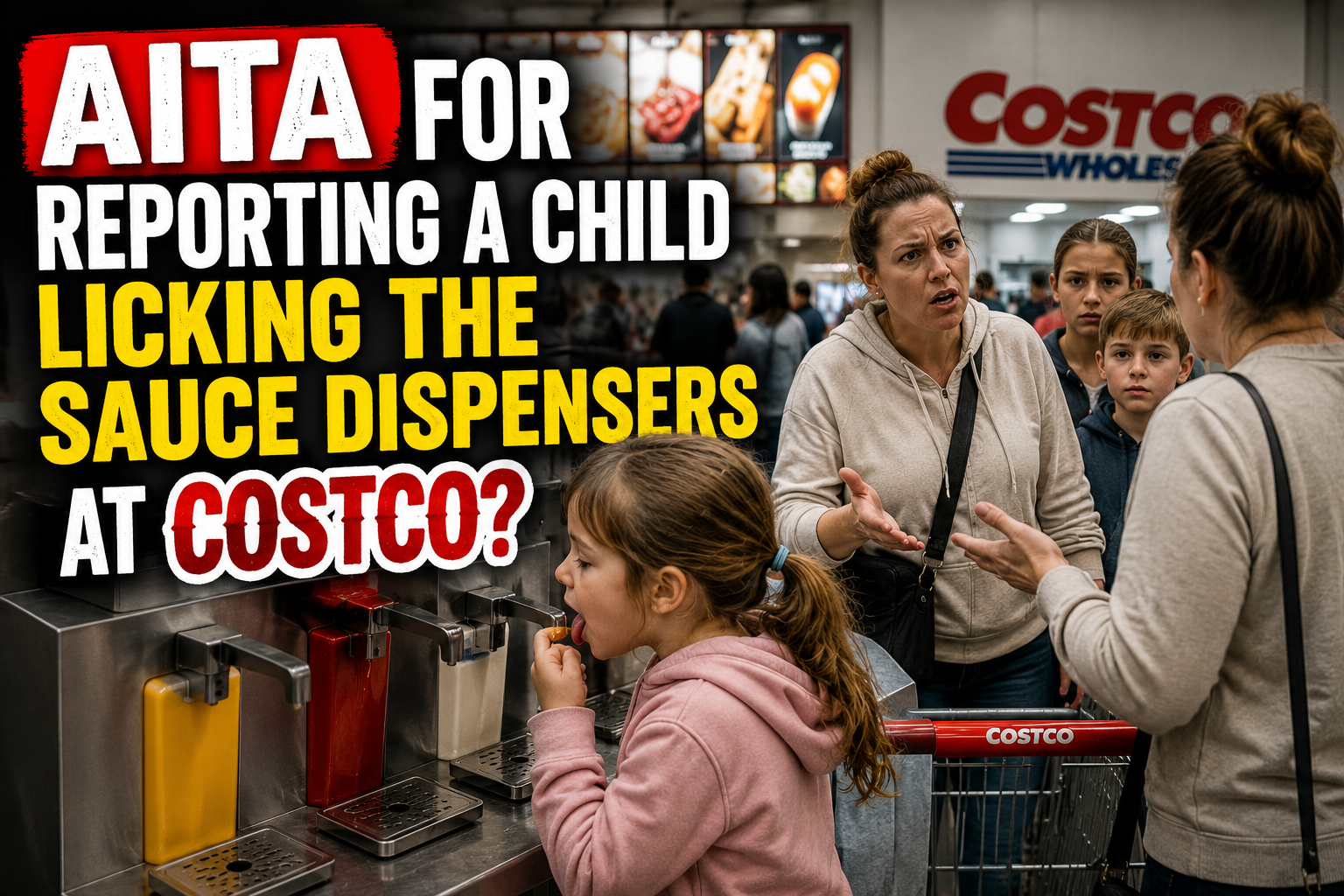
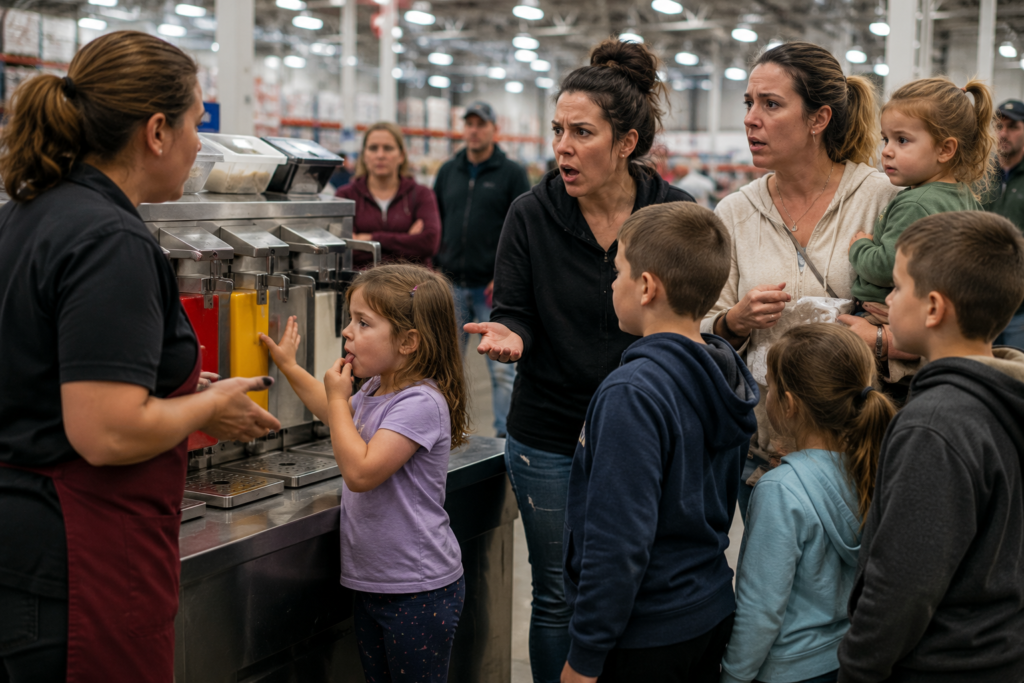
A routine trip to Costco turned unexpectedly tense after one shopper witnessed a child repeatedly licking her fingers and touching the public sauce dispensers.
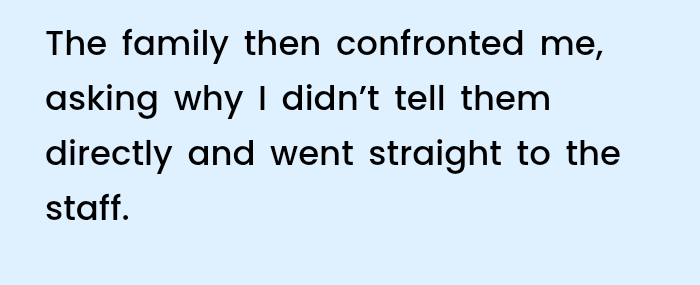
Rather than confronting the family, the shopper quietly alerted store staff out of concern for food safety and other customers.
The decision quickly escalated into a heated public confrontation, leaving everyone involved frustrated and divided over whether reporting the incident was the right thing to do.

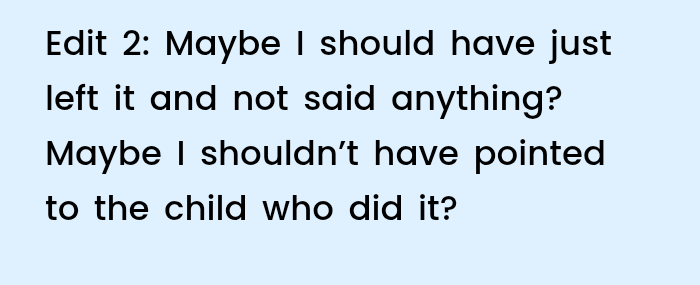
What started as a simple food safety concern quickly turned into a public disagreement that left both sides feeling misunderstood.
While some believe reporting the incident was the most responsible choice, others argue the family deserved to be approached privately first.
With emotions running high, readers remain divided over who handled the situation appropriately.
Check The Comment Section Below
Analysis
When Public Health, Parenting, and Public Confrontation Collide
A Simple Food Court Visit That Sparked a Bigger Debate
This story is about far more than a child touching a condiment dispenser. It raises difficult questions about public hygiene, parental responsibility, conflict resolution, and how quickly everyday situations can spiral into emotionally charged confrontations. A routine stop at Costco became the center of a debate because every person involved believed they were acting appropriately from their own perspective.
The Unsanitary Behavior That Started It All
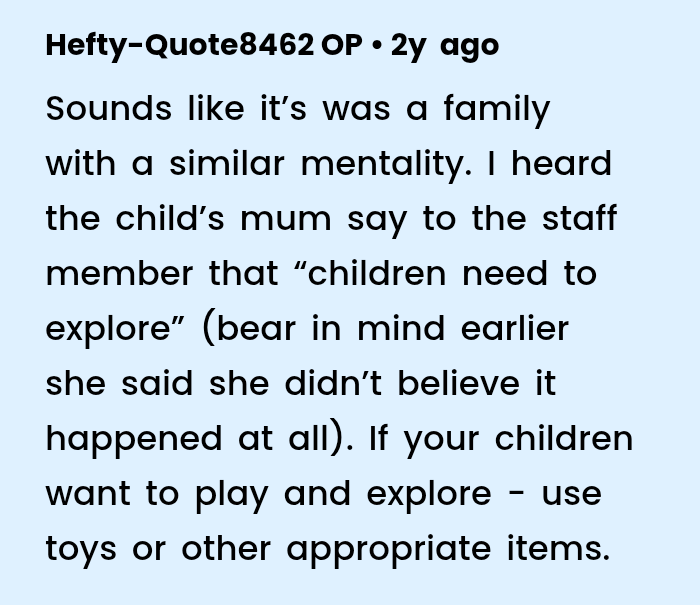
The first scene—the child repeatedly licking her fingers and touching the public sauce dispensers—is where the entire conflict begins. Young children naturally explore the world through touch and often need constant reminders about hygiene. The post even mentions that the child’s own mother had already been asking her to stop licking things, suggesting this wasn’t entirely unexpected behavior. While the child’s actions may be understandable given her age, the reality remains that food stations are shared by hundreds of people every day. A single unsanitary action has the potential to affect countless strangers who unknowingly use the same equipment afterward.
Choosing Staff Over Direct Confrontation
The decision not to confront the child or her parents immediately is another important moment. Many people avoid direct confrontations in public because they fear arguments, embarrassment, or escalating emotions. Instead of accusing anyone, the author chose to notify store staff—the employees responsible for maintaining food safety. From one perspective, this approach seems practical because staff can sanitize the equipment and address the issue according to store policy rather than leaving the matter unresolved.
When the Situation Escalated
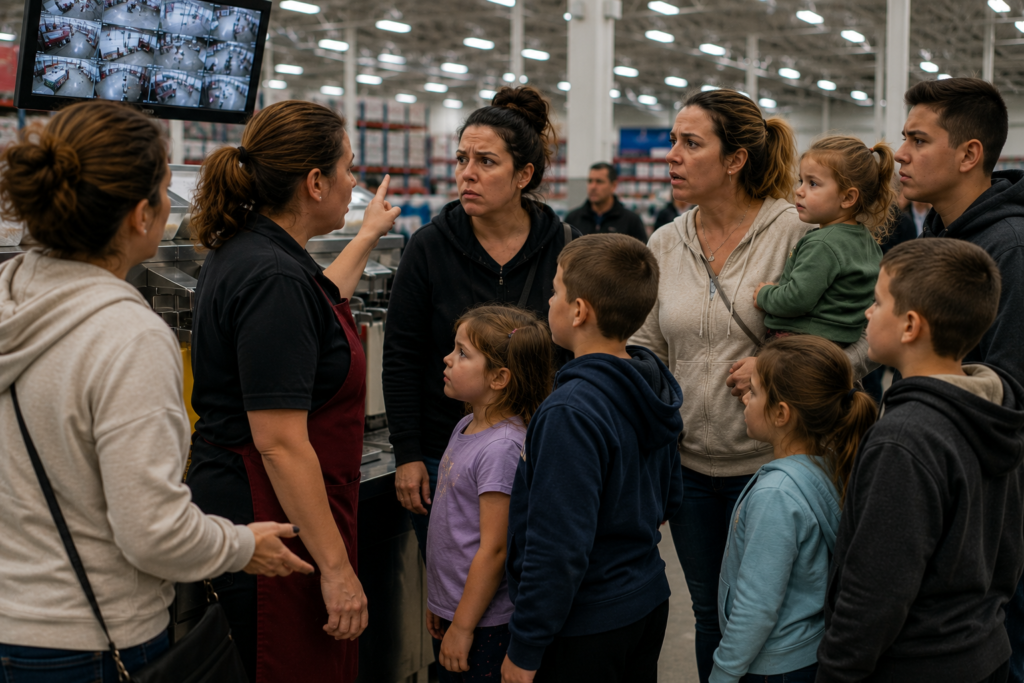
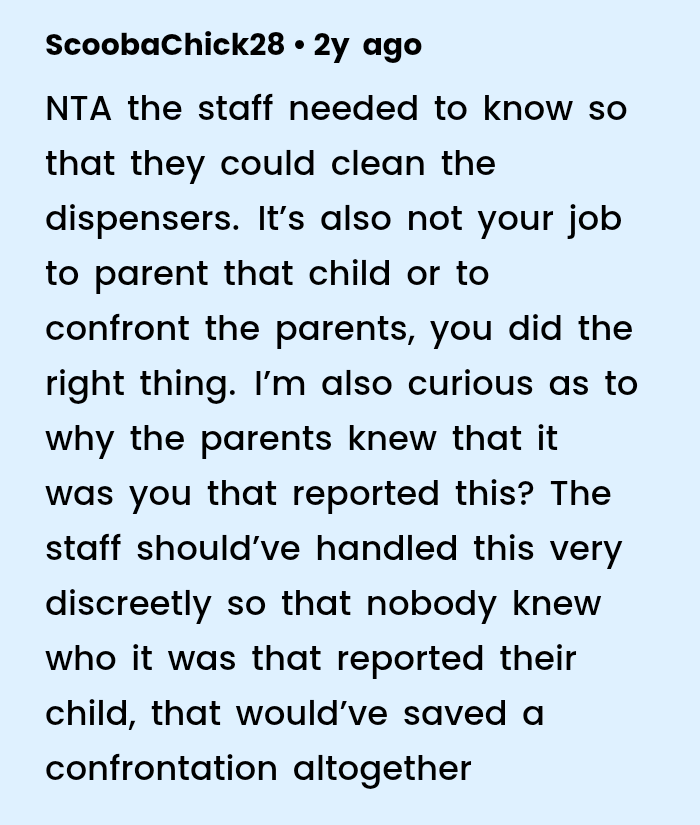
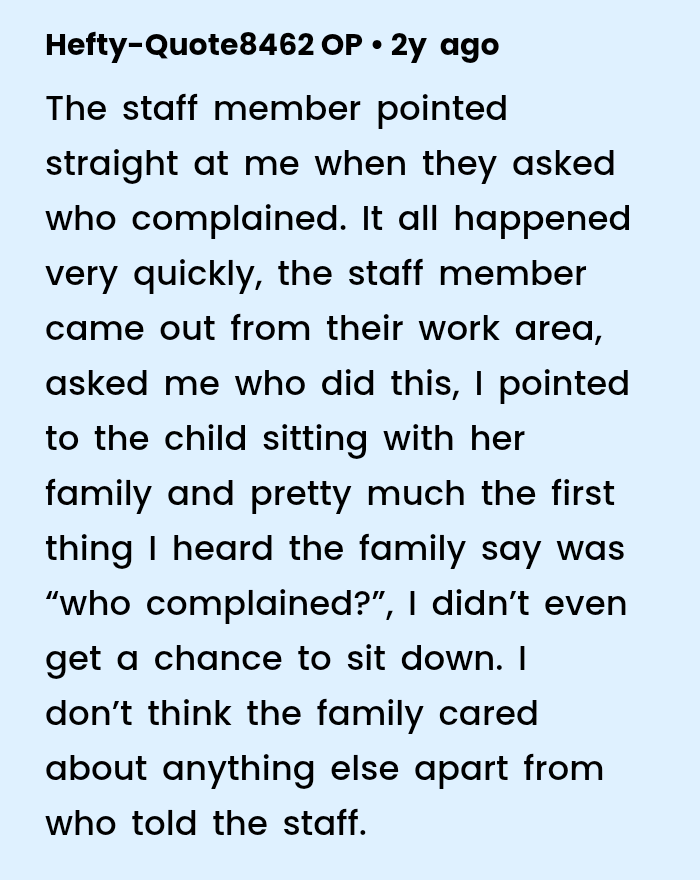
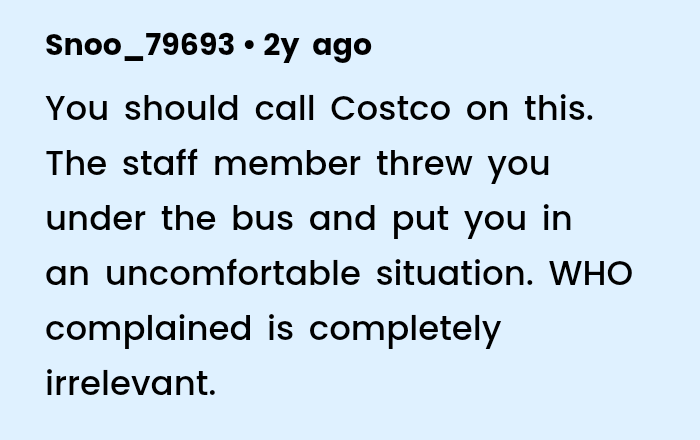
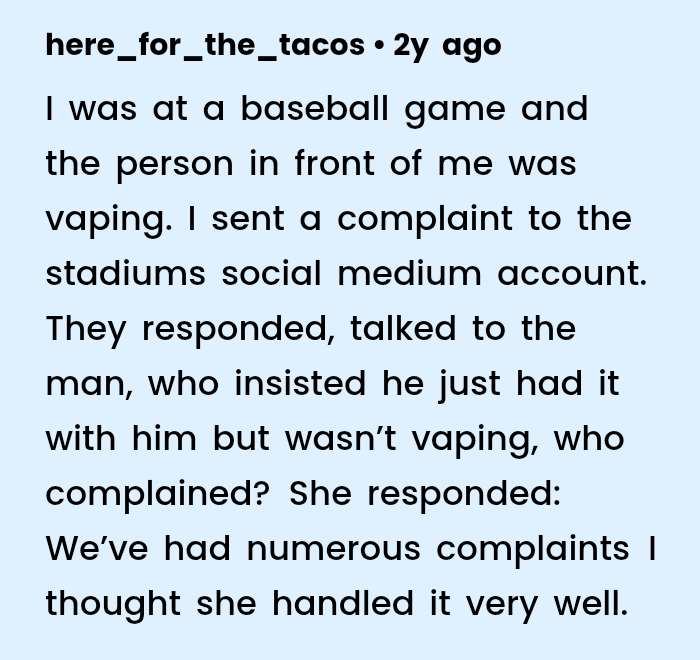
The situation changed dramatically once the staff member approached the family. Even when someone has acted with good intentions, being publicly confronted by store employees can feel humiliating. Parents often experience embarrassment when their children are corrected in front of strangers, and those emotions can quickly transform into defensiveness. Instead of focusing on whether the dispensers needed cleaning, attention shifted toward who reported the incident.
Miscommunication Fueled the Conflict
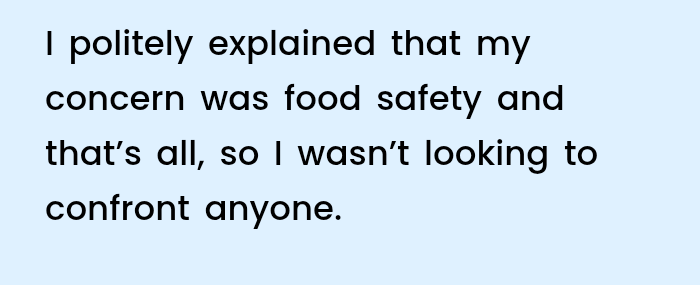
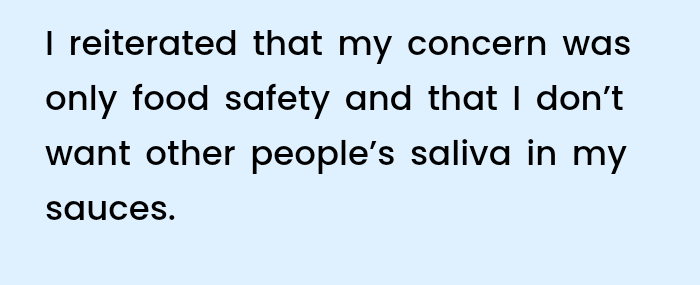
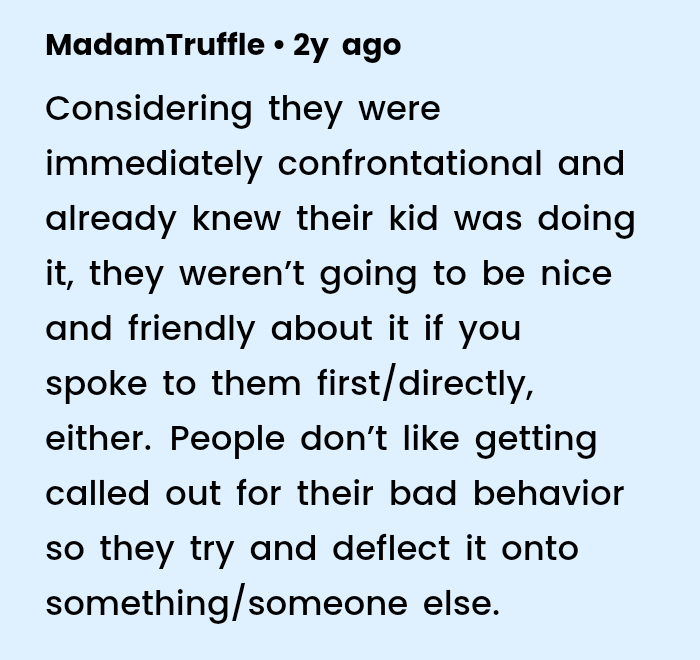
The confrontation between the family and the author demonstrates how quickly communication can break down. The author repeatedly explained that the concern was food safety rather than a dislike of children, yet the family interpreted the report as a personal attack. Once emotions become heightened, people often stop listening carefully and begin defending themselves instead. This is a common pattern in public disagreements where assumptions replace genuine conversation.
Why Listening Matters During Conflict
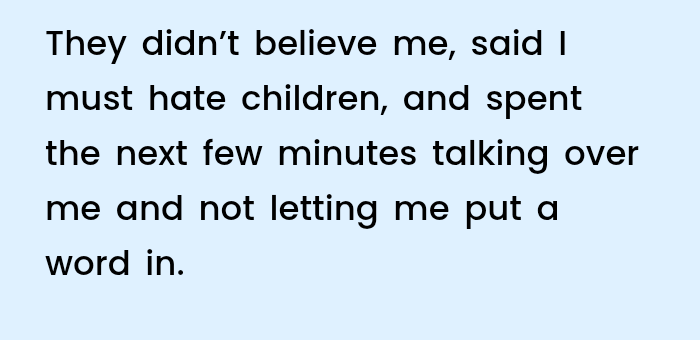
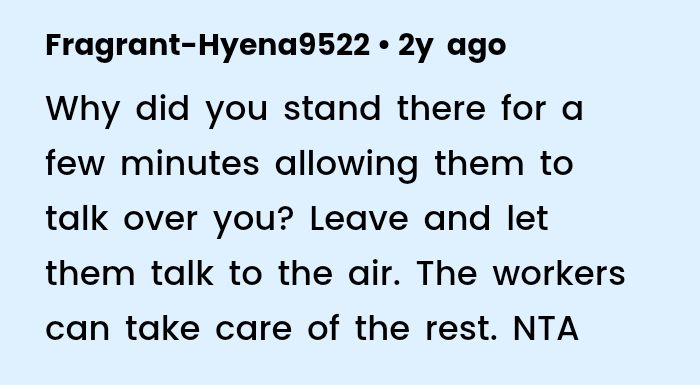
One particularly interesting scene occurs when the family repeatedly talks over the author and refuses to let them explain. Conversations become nearly impossible when one side feels unheard. Whether discussing parenting, customer service, or disagreements in everyday life, productive communication requires both sides to listen. Without that willingness, frustration grows rapidly, and misunderstandings become even harder to resolve.
CCTV Helped Defuse the Situation
The employee’s decision to mention CCTV footage marked a turning point. Instead of relying on conflicting stories, the discussion shifted toward objective evidence. Knowing the incident could be verified appeared to calm the family because the focus moved away from accusations and toward facts. In many disputes, reliable evidence often reduces speculation and encourages people to reassess the situation more calmly.
The Importance of Food Safety in Public Spaces
This story also highlights the enormous responsibility businesses have regarding food safety. Shared condiment stations, drink fountains, serving utensils, and self-service areas require constant monitoring because thousands of customers interact with them daily. Employees must balance customer service with protecting public health, sometimes making uncomfortable decisions to maintain sanitary conditions. Reporting contamination is generally encouraged because it allows staff to clean equipment before other people are affected.
Parenting Lessons From Everyday Situations
For parents, the story serves as a reminder that children require continual guidance in public spaces. Young children are still learning social expectations and hygiene habits, and occasional mistakes are inevitable. However, these moments can become valuable teaching opportunities that help children understand why certain behaviors matter—not because they are being punished, but because their actions can impact many other people.
Should You Tell the Parents or Notify Staff?
On the other hand, the story reminds everyone that approaching parents about their children can be extremely delicate. Even well-intentioned comments may be interpreted as criticism of someone’s parenting. This emotional sensitivity explains why many people choose to notify employees instead of confronting families directly. Neither approach guarantees a positive outcome, but each comes with its own advantages and risks.
Why Hygiene Has Become a Bigger Concern
The wider discussion extends beyond one Costco visit. Since the COVID-19 pandemic, public awareness of hygiene has increased dramatically. Many people have become more conscious of shared surfaces, food preparation, and preventing the spread of illness. Actions that may once have been dismissed as minor now attract much stronger reactions because public health has become a shared social concern.
Why Opinions Are So Divided
At the same time, this incident illustrates how quickly strangers judge one another. Some readers will see the author as a responsible customer protecting others, while others will view the decision as unnecessarily escalating a situation involving a young child. Both perspectives are shaped by personal experiences, parenting philosophies, and comfort with public confrontation.
Final Thoughts: Balancing Compassion and Responsibility
Ultimately, this story is less about assigning blame and more about balancing compassion with responsibility. Children make mistakes, parents sometimes react emotionally under pressure, customers have legitimate concerns about hygiene, and employees are tasked with protecting everyone using shared facilities. Situations like this remind us that kindness and accountability do not have to be opposites. Addressing health concerns respectfully while allowing room for understanding can help prevent small incidents from becoming much larger conflicts, leaving everyone feeling heard, respected, and safer in shared public spaces.