
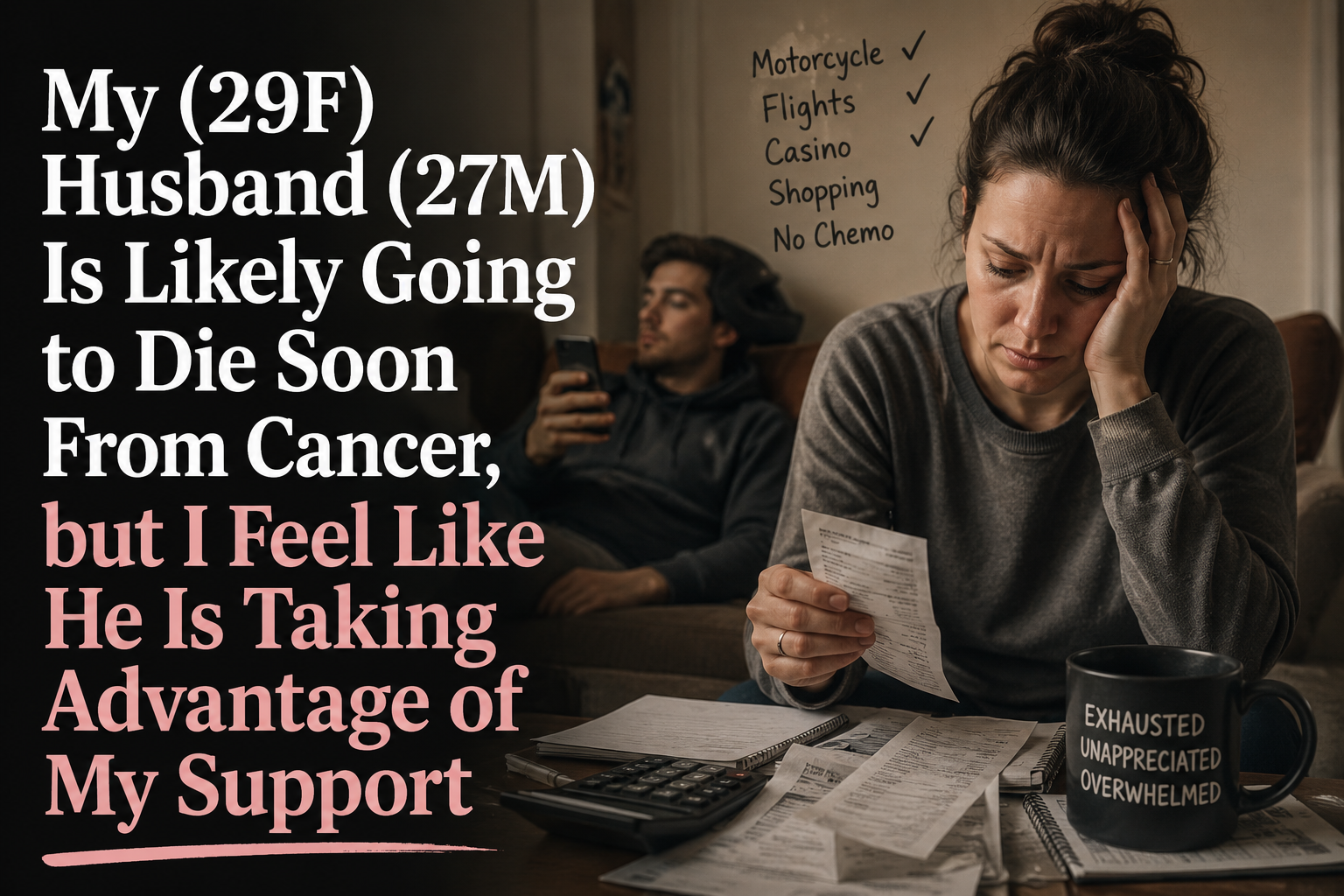
When a loved one is diagnosed with a life-threatening illness, most people expect the greatest challenge to be the disease itself.
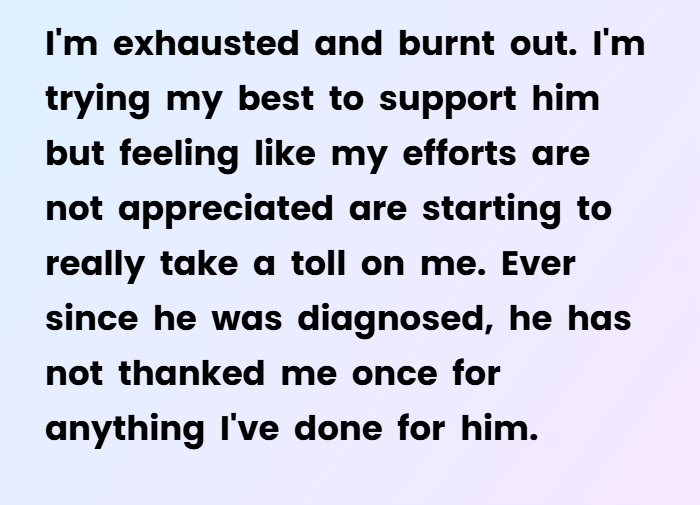
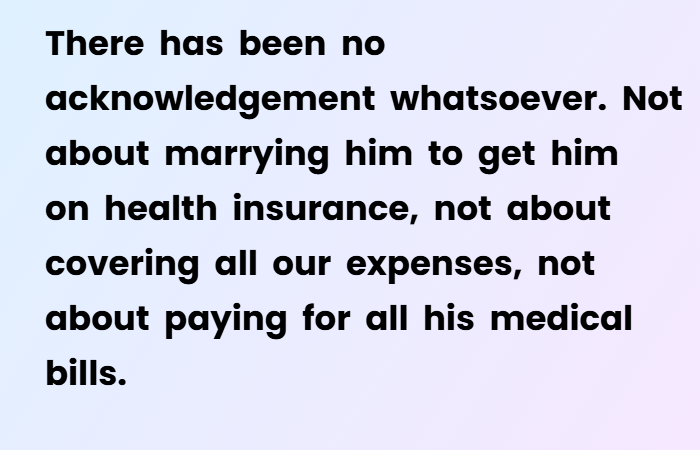
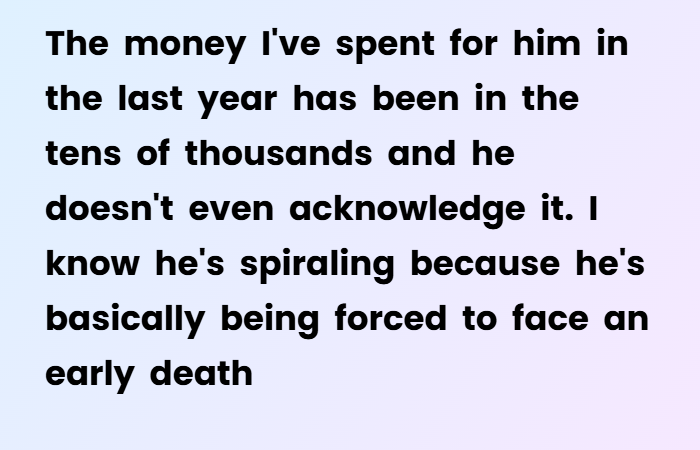
But for one 29-year-old woman, the emotional and financial burden of supporting her husband has become almost as devastating as his cancer diagnosis.
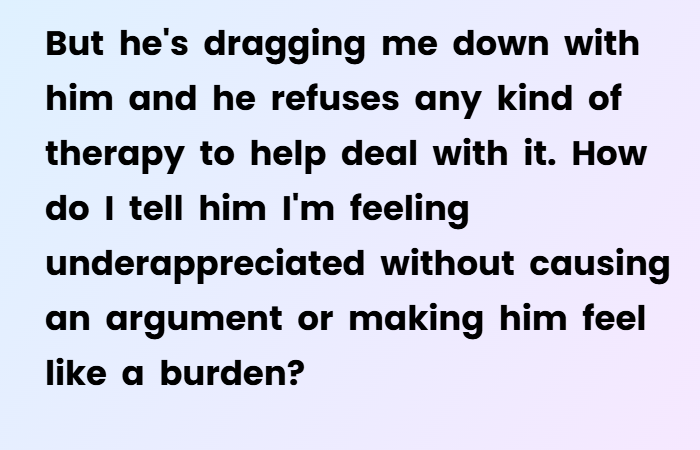
What began as a partnership built on love and compassion slowly transformed into a one-sided relationship, leaving her questioning whether her kindness was being appreciated—or quietly taken for granted.


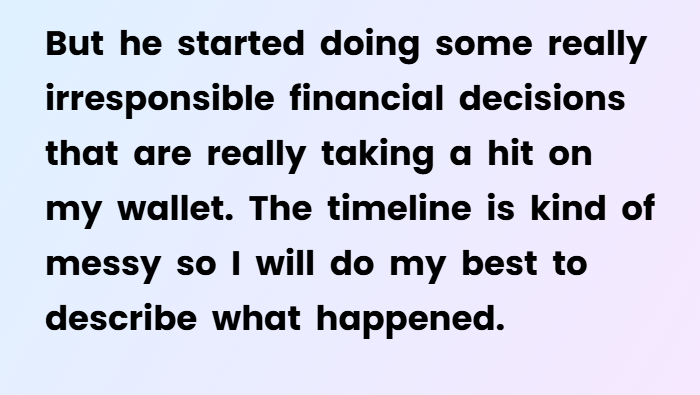
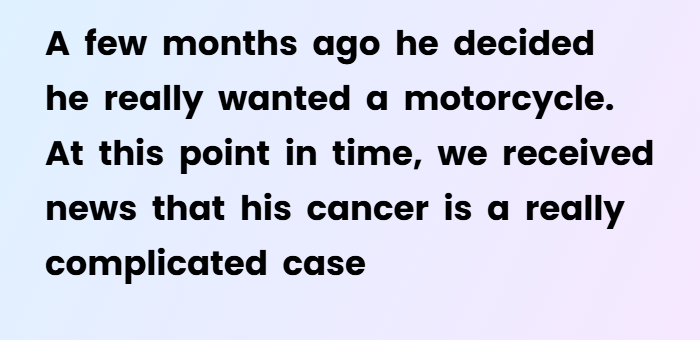
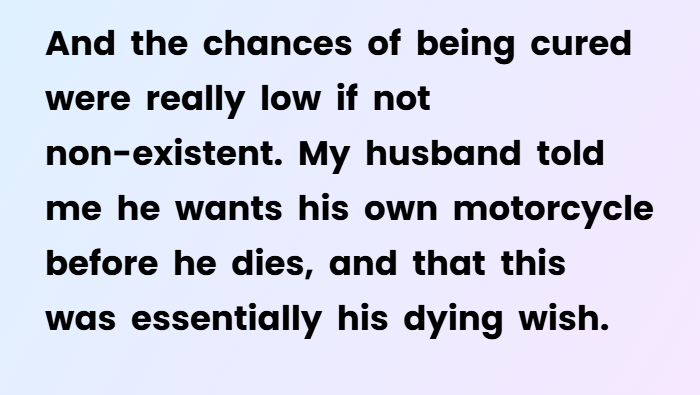
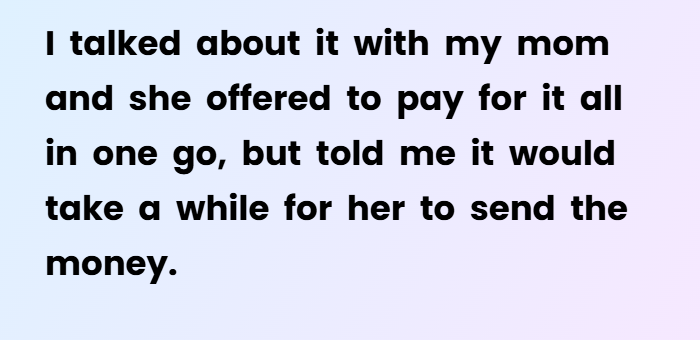
As her husband’s prognosis worsened, so did his decision-making.
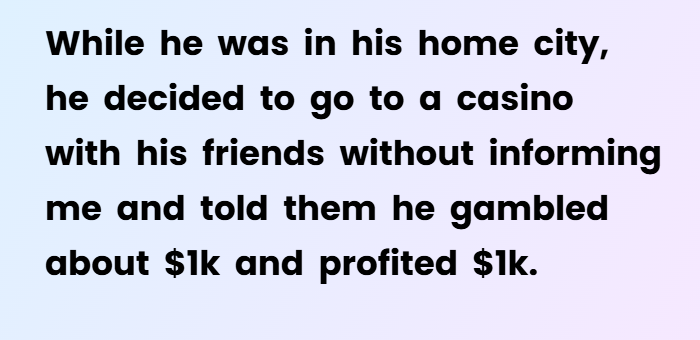
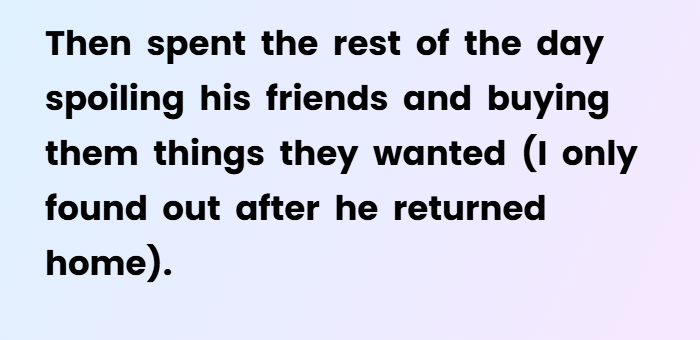
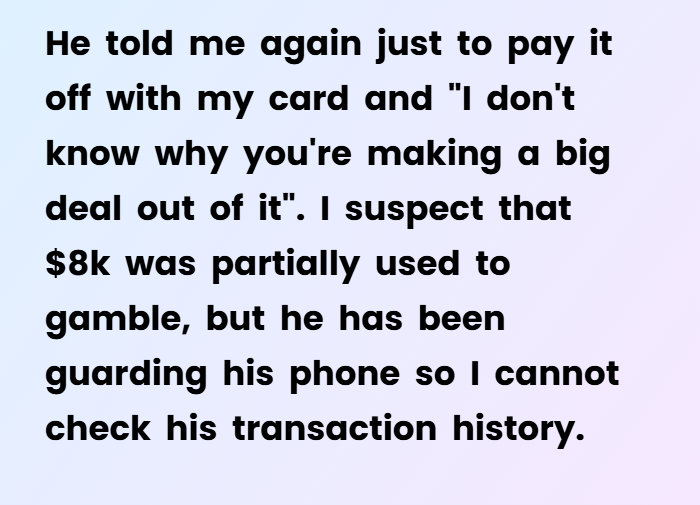
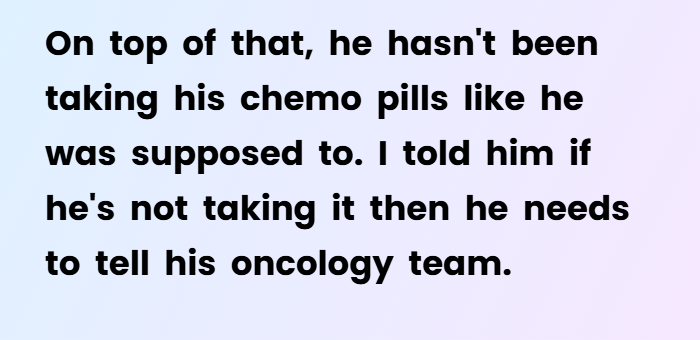
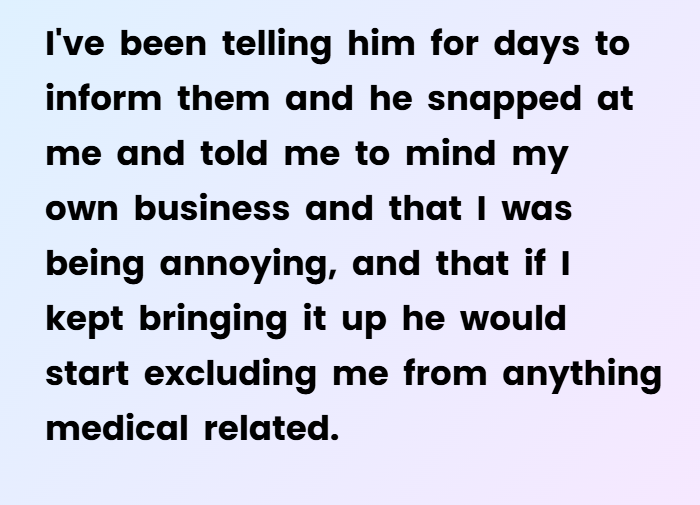
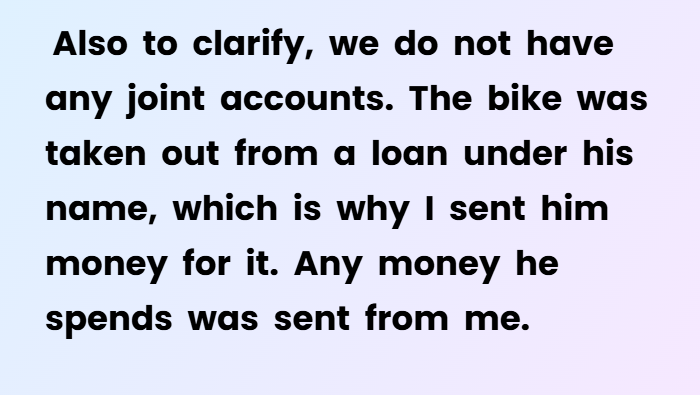
Expensive impulse purchases, gambling, reckless spending, property damage, and refusing to follow prescribed chemotherapy have left his wife emotionally exhausted and financially drained.
Torn between compassion for someone facing an unimaginable reality and the growing feeling that her support is being exploited, she struggles with guilt, grief, and resentment all at once.
Analysis: When Love, Caregiving, and Grief Become Overwhelming
A terminal illness changes far more than a patient’s health—it reshapes relationships, finances, mental well-being, and family dynamics. While much of society rightly focuses on the person battling the disease, caregivers often become the invisible victims of the same tragedy. They shoulder emotional labor, financial responsibility, medical coordination, and constant uncertainty, frequently sacrificing their own physical and psychological health along the way.
In situations like this, there are rarely clear villains. A person confronting the possibility of an early death may experience overwhelming fear, anger, denial, depression, or a desire to reclaim control through impulsive decisions. Unfortunately, these emotional responses can sometimes manifest as reckless spending, gambling, aggression, withdrawal, or refusing life-saving treatments. Understanding these behaviors can create empathy—but it does not mean accepting harmful actions without boundaries. Compassion and accountability must exist together.
The Hidden Mental Health Crisis Among Caregivers
Family caregivers commonly experience chronic stress, anxiety, depression, sleep deprivation, and emotional burnout. Many feel guilty for admitting they’re overwhelmed because they believe their own struggles are insignificant compared to the patient’s suffering. Over time, constantly suppressing these emotions can lead to compassion fatigue—a state where emotional exhaustion makes it difficult to continue providing care with the same patience and empathy.
Caregivers often lose pieces of their own identity. Their lives become centered around appointments, medications, insurance paperwork, financial planning, and crisis management. Friendships may fade, hobbies disappear, and personal goals are postponed indefinitely. While everyone asks how the patient is doing, very few ask the caregiver the same question.
When Illness Changes Behavior
Serious illnesses can dramatically affect emotional regulation. Fear of death may cause some individuals to seek immediate gratification through expensive purchases, risky behaviors, or experiences they’ve always wanted. Others withdraw completely or reject treatment because they feel hopeless. These reactions deserve understanding, but they can also place enormous strain on loved ones trying to keep everything together.
Healthy communication becomes increasingly difficult when one partner feels responsible for survival while the other feels powerless over their future. Resentment quietly grows on both sides, even when love still exists.
Financial Stress Can Deepen Emotional Wounds
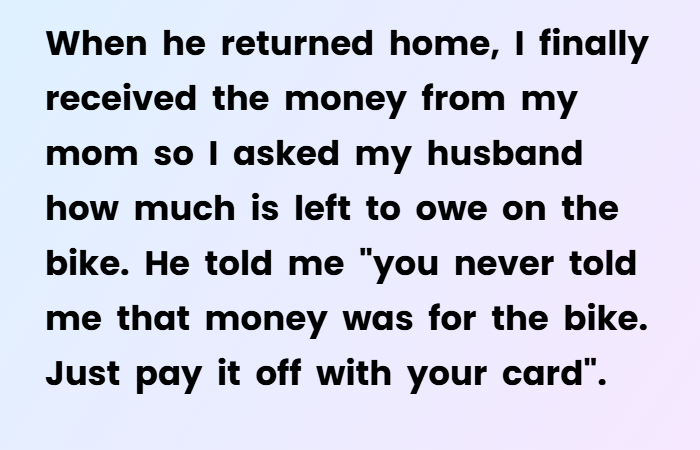
Cancer treatment is financially demanding even for families with excellent insurance. Beyond medical costs are lost income, travel expenses, medications, home modifications, and countless unexpected bills. When financial decisions become impulsive or dishonest, trust begins to erode.
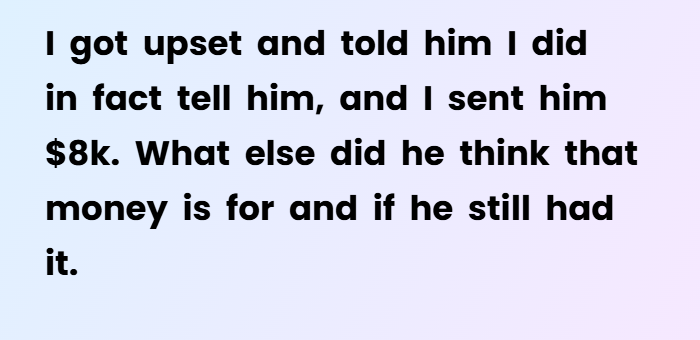
Money is rarely just about dollars. It represents security, stability, sacrifice, and shared responsibility. When one partner feels their contributions are ignored or taken for granted, emotional distance often follows. Financial transparency becomes especially important during medical crises because uncertainty already affects every other aspect of life.
Trust Is Difficult to Rebuild Once It Begins to Crack
Trust isn’t only broken through infidelity. It can also be damaged through secrecy, dishonesty about finances, broken promises, hiding important information, or refusing to communicate openly. In caregiving relationships, trust forms the foundation that allows both partners to navigate uncertainty together.
When that foundation weakens, caregivers may begin questioning every decision, every expense, and every conversation. Living in a constant state of doubt adds another layer of emotional exhaustion to an already overwhelming situation.
The Emotional Weight of Loving Someone Who May Die
Anticipatory grief—the grief experienced before a loved one passes away—is one of the most emotionally complex experiences a person can face. It combines sadness, fear, hope, anger, guilt, and helplessness into a daily emotional struggle. Many caregivers feel guilty for becoming frustrated because they believe every disagreement might become one of their final memories together.
This emotional conflict can make people feel isolated. They may wonder whether setting boundaries is selfish or whether expressing hurt makes them a bad partner. In reality, acknowledging those emotions is part of healthy coping, not a sign of failing someone you love.
Therapy Should Never Be Reserved Only for the Patient
Cancer treatment often includes oncologists, surgeons, nurses, and specialists—but emotional care deserves equal attention. Professional counseling can help patients process fear, grief, and uncertainty, while caregiver therapy provides a safe space to express emotions that might otherwise remain bottled up.
Support groups also remind families that they are not navigating this journey alone. Hearing others share similar experiences can reduce feelings of isolation and provide practical coping strategies for both patients and caregivers. Mental health care should never be viewed as optional during a life-altering illness; it is an essential part of comprehensive care.
Setting Boundaries Is an Act of Love, Not Abandonment
Supporting someone through illness does not require accepting harmful behavior. Healthy boundaries protect both individuals and preserve the relationship whenever possible. Honest conversations about finances, treatment decisions, responsibilities, and emotional needs can prevent misunderstandings from becoming lasting resentment.
Boundaries are not punishments—they are safeguards that allow compassion to continue without completely exhausting the person providing care.
A Gentle Reminder for Every Reader
If you see yourself in this story—whether as a patient, caregiver, spouse, friend, or family member—know that your emotions are valid. Loving someone through serious illness is one of life’s greatest acts of courage, but even the strongest people need rest, reassurance, and support.
It’s okay to admit that you’re tired. It’s okay to ask for help. It’s okay to grieve the life you thought you would have while still loving the person beside you. Healing isn’t always about curing a disease; sometimes it’s about protecting your own heart while walking through one of life’s most difficult seasons.
No one should have to carry the weight of illness alone—not the patient, and certainly not the person quietly holding everything together behind the scenes.