

What does a urine color chart reveal about your health and kidneys?
A urine color chart helps you understand your hydration level and overall health. While pale yellow urine is normal, darker, red, or foamy urine may indicate dehydration, infections, or even kidney problems.

Have you ever noticed your urine color changing and wondered if it means something serious?
Your urine is more than just waste — it’s a powerful health indicator. From hydration levels to early signs of kidney issues, even small color changes can reveal important clues about what’s happening inside your body.
Understanding a simple urine color chart can help you identify what’s normal, what’s not, and when it’s time to pay attention — especially when it comes to your kidney health.
URINE COLOR CHART EXPLAINED
🟡 1. Clear to Pale Yellow (Healthy)

- Indicates good hydration
- Kidneys are functioning normally
Tip: Aim for light yellow urine daily
🟠 2. Dark Yellow / Amber (Dehydration)
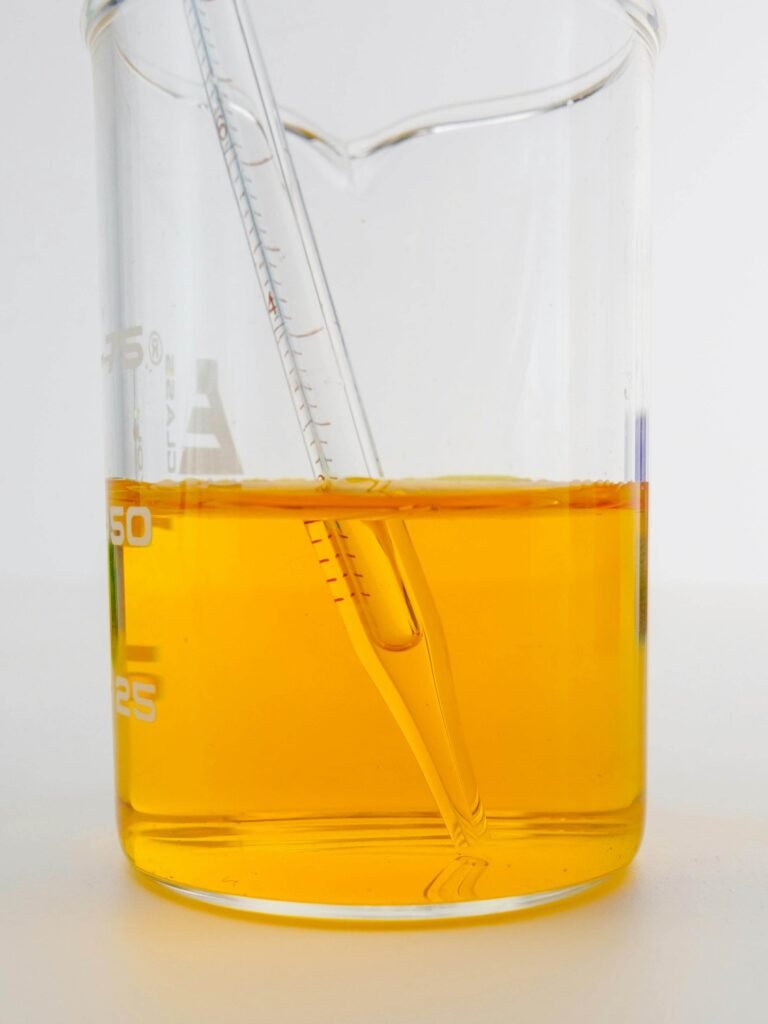
- Caused by low water intake
- Urine becomes more concentrated
Tip: Increase water intake immediately
🔴 3. Pink or Red (Warning Sign)
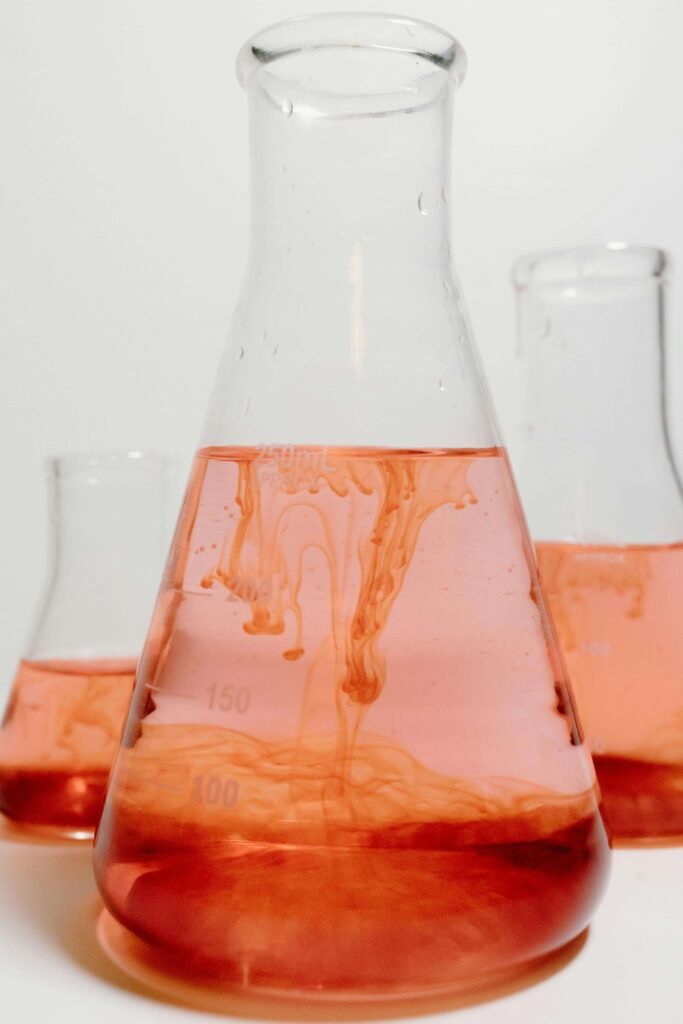
- Could be from foods (beets, berries)
- OR blood in urine (serious concern)
If persistent → seek medical advice
🟤 4. Brown or Dark Urine

- Severe dehydration
- Liver or kidney-related issues
🟢🔵 5. Blue or Green (Rare)

- Usually due to medications or dyes
- Occasionally linked to infections
⚪ 6. Cloudy or Foamy Urine
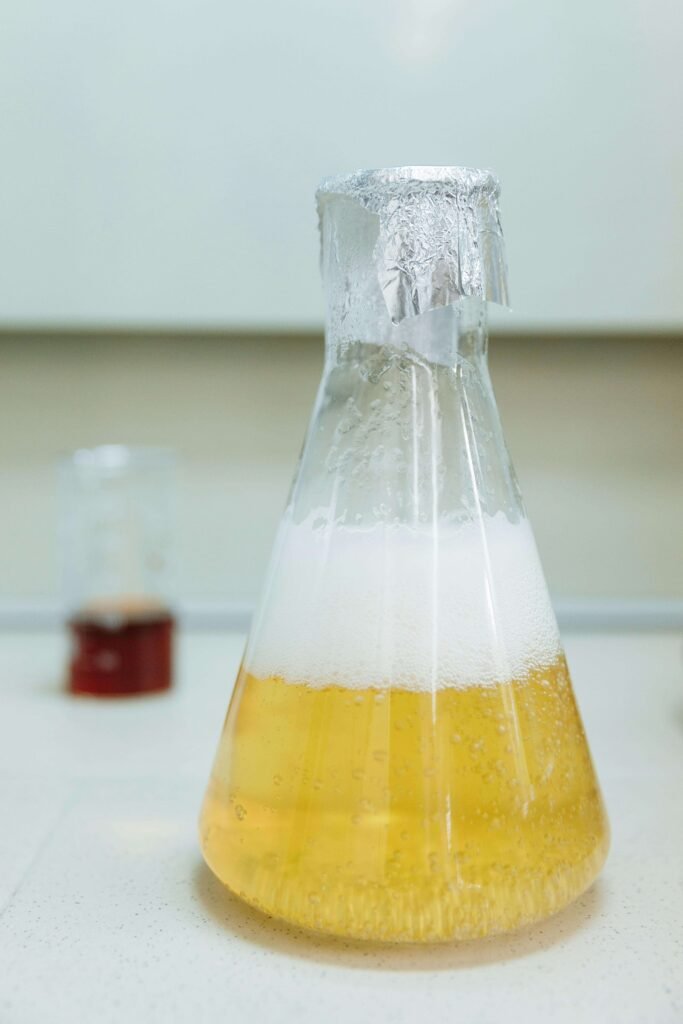
- Possible infection
- Protein in urine → potential kidney issue
It’s important to recognize the early signs your kidneys are not working properly.
WHICH URINE COLORS MAY INDICATE KIDNEY PROBLEMS?
Your kidneys filter waste and maintain fluid balance. When they’re not functioning properly, urine changes can appear.
Using a urine color chart can help you monitor hydration levels and detect early signs of kidney problems.

You should be cautious if you notice:
- Persistent dark urine
- Foamy urine (protein leakage)
- Blood in urine
- Frequent urination at night
Also check out foods that can silently damage your kidneys to protect your kidney health.
WHY URINE COLOR MATTERS FOR KIDNEY HEALTH?
Urine is produced by your kidneys — so any change can reflect how well they’re working.
- Waste buildup can darken urine
- Blood or protein can alter color
- Kidney disease may cause foamy or reddish urine
That’s why regularly checking your urine against a urine color chart empowers you to take preventive steps for better kidney health and overall wellbeing.
Severe kidney conditions may require treatments like dialysis, which can deeply impact daily routines and quality of life.
For medically reviewed information, refer to National Kidney Foundation.
PRACTICAL TIPS TO KEEP YOUR URINE & KIDNEYS HEALTHY
- Stay hydrated throughout the day

- Reduce salt and processed foods
- Monitor unusual urine changes
- Avoid excessive painkiller use
- Follow a kidney-friendly diet

A structured plan with renal diet recipes can help maintain proper kidney function.
CONCLUSION
Your urine color is one of the easiest ways your body communicates with you. While most changes are harmless and related to hydration or diet, persistent or unusual colors should never be ignored.
By understanding a urine color chart, you can catch early warning signs and take action before small issues turn into serious health problems.
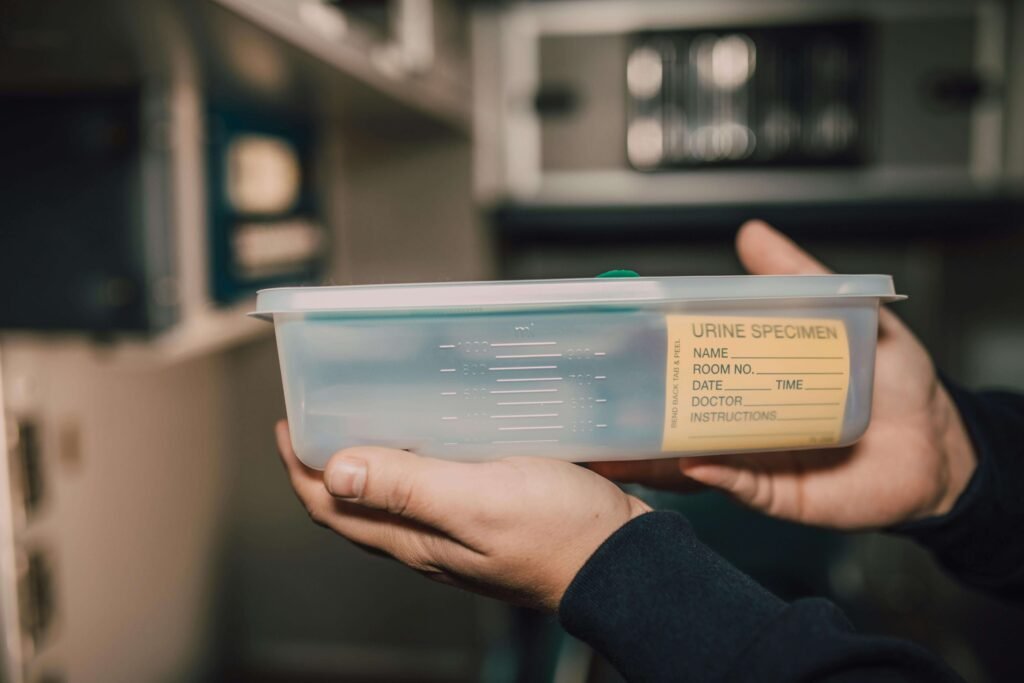
Even subtle symptoms — like changes in urine along with fatigue or swelling — can signal deeper kidney concerns, which is why early awareness is so important.
In more advanced cases, understanding recovery and lifestyle changes becomes important — especially when learning about life after a kidney transplant.
MEDICAL DISCLAIMER
This article is for informational purposes only and does not replace professional medical advice. Always consult a qualified healthcare provider for proper diagnosis and treatment.
FAQs
1. What is a normal urine color?
Normal urine color ranges from pale yellow to light amber, depending on hydration levels.
2. What does dark yellow urine mean?
Dark yellow urine usually indicates dehydration and the need for more fluid intake.
3. Can urine color indicate kidney problems?
Yes, dark, foamy, or bloody urine may indicate kidney issues, especially if persistent.
4. Why is my urine red or pink?
It could be due to certain foods, medications, or blood in the urine, which may require medical evaluation.
5. What does foamy urine mean?
Foamy urine may indicate protein in urine, which can be an early sign of kidney disease.
6. When should I worry about urine color?
If unusual color persists for more than 2–3 days or is accompanied by pain, swelling, or fatigue, seek medical advice.
7. Does clear urine mean I am healthy?
Clear urine usually means good hydration, but consistently clear urine may indicate overhydration.
8. Can diet change urine color?
Yes, foods like beets, berries, and certain vitamins can temporarily change urine color.
9. How does hydration affect urine color?
More water makes urine lighter, while dehydration makes it darker and more concentrated.
10. Can medications affect urine color?
Yes, some medications can turn urine orange, green, or even blue.