

Your smile is one of the first things people notice about you, but healthy teeth are about much more than appearance. Good oral health plays a major role in your overall well-being, affecting everything from your confidence and speech to your ability to eat comfortably. Poor dental care can lead to cavities, gum disease, bad breath, tooth loss, and even contribute to serious health conditions like heart disease and diabetes.
The good news? Maintaining healthy teeth doesn’t require expensive treatments or complicated routines. A few consistent daily habits, combined with regular dental visits, can keep your smile healthy for decades.
In this comprehensive guide, you’ll learn practical Dental Hygiene Tips, understand common dental problems, and discover how to protect your teeth at every stage of life.
Why Dental Hygiene Matters More Than You Think
Many people only think about their teeth when something hurts. Unfortunately, by the time pain appears, dental problems have often progressed significantly.
Healthy teeth allow you to:
- Eat comfortably
- Speak clearly
- Smile confidently
- Prevent infections
- Protect overall health
- Avoid costly dental procedures
Your mouth contains millions of bacteria. While many are harmless, poor oral hygiene allows harmful bacteria to multiply, causing plaque buildup, cavities, and gum disease.
Understanding Your Teeth
Your teeth are incredibly strong, but they aren’t indestructible.
Each tooth consists of several layers:
Enamel
The outer protective layer and the hardest substance in the human body.
Dentin
The sensitive layer beneath enamel that contains microscopic tubes leading toward the tooth’s nerve.
Pulp
The inner portion containing nerves and blood vessels.
Roots
These anchor your teeth securely into your jawbone.
Because enamel cannot regenerate naturally, preventing damage is far easier than repairing it.
What Happens When You Don’t Take Care of Your Teeth?
Ignoring oral hygiene can lead to several problems.
Plaque Buildup
Plaque is a sticky film of bacteria that forms on teeth throughout the day.
If not removed through brushing and flossing, plaque hardens into tartar, which usually requires professional cleaning.
Cavities
Bacteria feed on sugars left behind after eating.
They produce acids that slowly dissolve enamel, creating tiny holes called cavities.
Without treatment, cavities become larger and eventually reach the tooth’s nerve.
Gum Disease
Healthy gums hold your teeth firmly in place.
Poor hygiene causes gums to become:
- Red
- Swollen
- Tender
- Bleed easily
If untreated, gum disease can eventually lead to tooth loss.
Bad Breath
Persistent bad breath often results from bacteria trapped between teeth, on the tongue, or along the gumline.
Regular cleaning dramatically reduces odor-causing bacteria.
The Perfect Daily Dental Routine
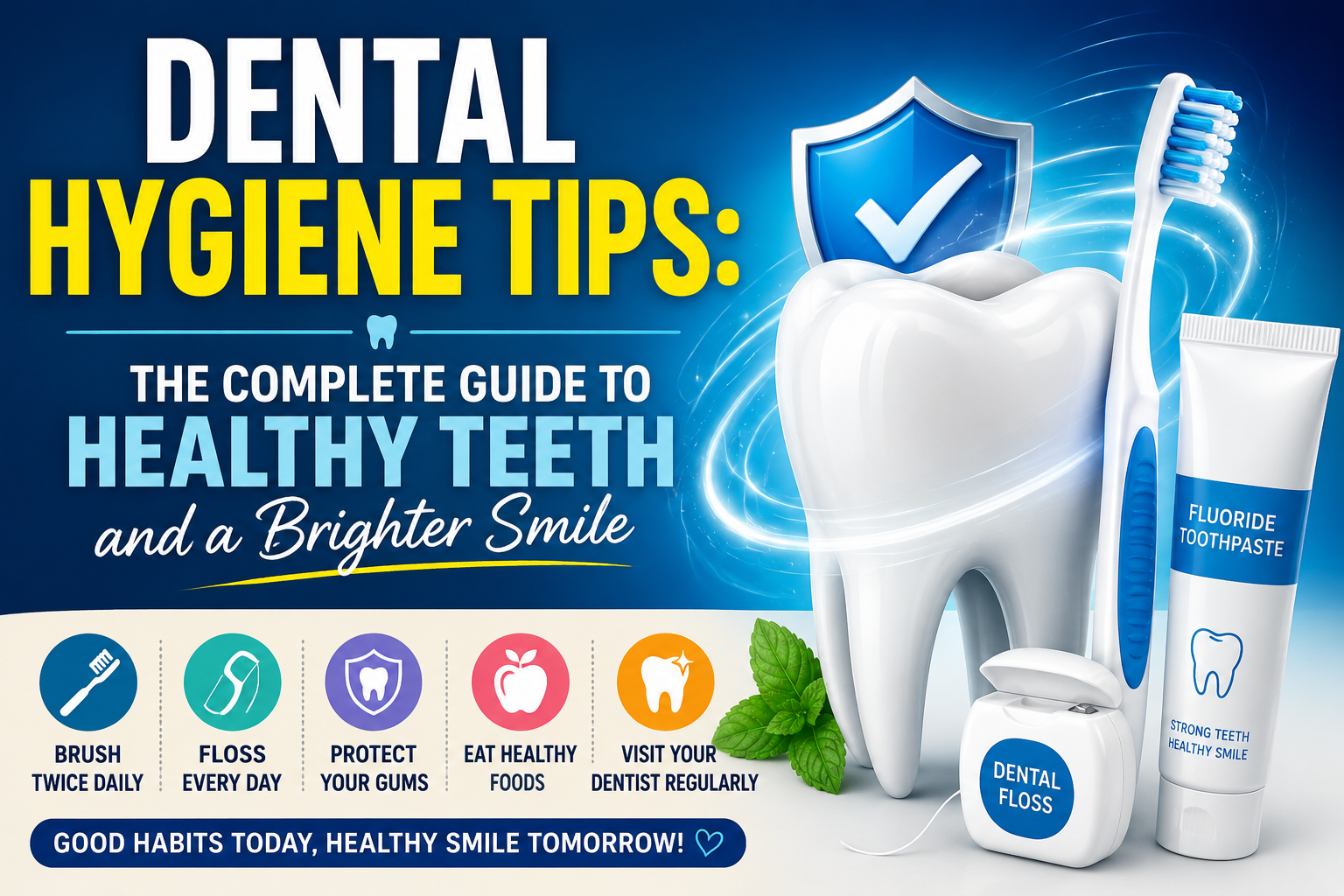
One of the best Dental Hygiene Tips is creating a routine you actually follow every day.
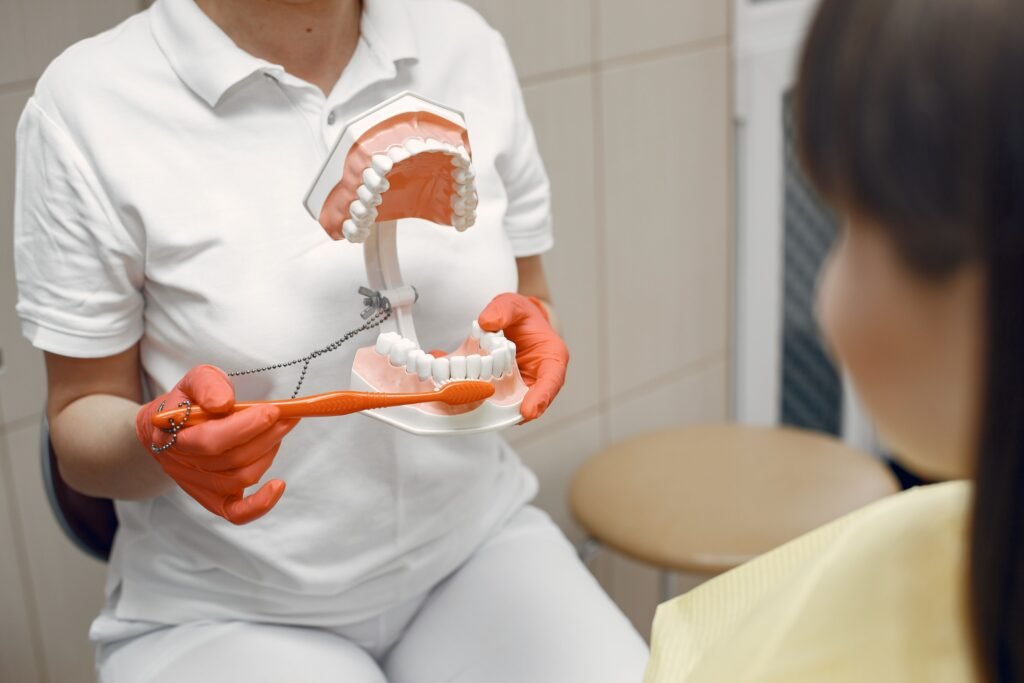
Brush Twice Daily
Dentists recommend brushing:
- Every morning
- Before bed
Each session should last at least two minutes.
Don’t rush.
Clean every surface of every tooth.
Choose the Right Toothbrush
A soft-bristled toothbrush is ideal.
Hard bristles may gradually wear away enamel and irritate gums.
Electric toothbrushes can also be excellent because they remove plaque efficiently while encouraging proper brushing time.
Use Fluoride Toothpaste
Fluoride strengthens enamel and helps prevent cavities.
It also assists in repairing the earliest stages of enamel damage before cavities fully develop.
Don’t Forget Your Tongue
Your tongue traps bacteria that contribute to bad breath.
Brush your tongue gently or use a tongue scraper daily.
Why Flossing Is Just as Important as Brushing
Many people skip flossing because it feels inconvenient.
Unfortunately, brushing alone cleans only about 60% of tooth surfaces.
Floss reaches the spaces where toothbrush bristles cannot.
Daily flossing helps:
- Prevent cavities
- Remove food particles
- Reduce plaque
- Protect gums
- Improve breath
Even one minute each day makes a noticeable difference.
Mouthwash: Helpful but Not a Replacement
Mouthwash can:
- Freshen breath
- Reduce bacteria
- Strengthen enamel (fluoride rinses)
- Help reduce plaque
However, mouthwash should never replace brushing or flossing.
Think of it as an extra layer of protection.
Foods That Strengthen Your Teeth
Diet directly affects oral health.
Excellent foods include:
Dairy Products
Milk, yogurt, and cheese provide calcium and phosphorus for stronger teeth.
Crunchy Fruits and Vegetables
Apples
Carrots
Celery
Cucumbers
These naturally help clean teeth while stimulating saliva production.
Leafy Greens
Spinach and kale contain vitamins and minerals important for healthy gums.
Nuts
Almonds and walnuts provide calcium and healthy fats while containing very little sugar.
Water
Water remains one of the best drinks for oral health.
It rinses away food particles and helps maintain saliva production.
Foods That Harm Your Teeth
Certain foods increase cavity risk.
Limit:
- Soda
- Candy
- Sticky sweets
- Sugary cereals
- Energy drinks
- Sports drinks
- Frequent snacking on sugary foods
Acidic drinks like soda and citrus juices can gradually weaken enamel.
The Hidden Danger of Sugary Drinks
Many people realize candy causes cavities.
Fewer realize drinks often do even more damage.
Sugary beverages coat teeth repeatedly throughout the day.
Sipping slowly extends acid exposure for hours.
Whenever possible:
- Drink water instead.
- Use a straw for acidic beverages.
- Rinse your mouth afterward.
Smoking and Oral Health
Smoking significantly increases the risk of:
- Gum disease
- Tooth discoloration
- Bad breath
- Tooth loss
- Oral cancer
Quitting smoking benefits both your mouth and your entire body.
Teeth Grinding (Bruxism)
Many people grind their teeth during sleep without realizing it.
Signs include:
- Morning jaw pain
- Headaches
- Worn teeth
- Sensitive teeth
Dentists often recommend custom night guards to protect teeth from damage.
Why Regular Dental Checkups Matter
Even excellent brushing cannot detect every problem.
Professional examinations allow dentists to identify issues before they become painful or expensive.
Most people benefit from checkups every six months.
Your dentist may recommend more frequent visits if you have gum disease or other dental concerns.
Signs You Should See a Dentist Immediately
Don’t ignore:
- Tooth pain
- Swollen gums
- Loose teeth
- Persistent bad breath
- Bleeding gums
- Broken teeth
- Mouth sores lasting more than two weeks
- Sensitivity that suddenly worsens
Early treatment almost always leads to better outcomes.
Dental Care for Children
Healthy habits begin early.
Parents should:
- Brush children’s teeth twice daily.
- Supervise brushing.
- Limit sugary snacks.
- Schedule regular dental visits.
- Encourage drinking water instead of sugary beverages.
Teaching children proper oral hygiene creates lifelong habits.
Dental Care During Pregnancy
Hormonal changes may increase gum sensitivity.
Pregnant women should:
- Continue regular brushing and flossing.
- Visit the dentist.
- Eat calcium-rich foods.
- Report gum bleeding promptly.
Good oral health supports both mother and baby.
Common Dental Myths
“If My Teeth Don’t Hurt, They’re Healthy.”
False.
Many serious dental problems develop without pain.
“Bleeding Gums Are Normal.”
No.
Healthy gums should not bleed regularly.
“Baby Teeth Don’t Matter.”
Incorrect.
Healthy baby teeth help children chew, speak, and guide permanent teeth into place.
“Brushing Harder Cleans Better.”
Actually, aggressive brushing may damage gums and enamel.
Gentle brushing is more effective.
Easy Daily Habits That Protect Your Smile
Small habits make a big difference.
Try to:
- Replace your toothbrush every three months.
- Drink more water.
- Floss every day.
- Brush before bed without exception.
- Eat fewer sugary snacks.
- Visit your dentist regularly.
- Wear a mouthguard during contact sports.
- Avoid chewing ice.
- Limit tobacco use.
Consistency always beats perfection.
Your Smile Reflects Your Overall Health
Research continues to reveal links between oral health and overall health.
Poor dental hygiene has been associated with:
- Heart disease
- Diabetes complications
- Respiratory infections
- Pregnancy complications
Taking care of your mouth supports your entire body.
Final Thoughts
Healthy teeth aren’t built overnight—they’re the result of small, consistent habits practiced every day. Brushing, flossing, eating a balanced diet, staying hydrated, and visiting your dentist regularly may seem simple, but together they form the foundation of lifelong oral health. These Dental Hygiene Tips are not just about preventing cavities; they’re about protecting your confidence, your comfort, and your overall well-being.
Remember, every smile tells a story, and yours deserves the best care possible.
Whether you’re improving your routine or teaching your children healthy habits, it’s never too early—or too late—to prioritize your dental health. A few extra minutes each day can save you years of discomfort and costly treatments in the future.
Frequently Asked Questions (FAQs)
How often should I brush my teeth?
Dentists recommend brushing your teeth twice a day for at least two minutes using fluoride toothpaste.
Is flossing really necessary?
Yes. Flossing removes plaque and food particles from between teeth where a toothbrush cannot reach, helping prevent cavities and gum disease.
How often should I replace my toothbrush?
Replace your toothbrush or electric toothbrush head every three to four months, or sooner if the bristles become frayed.
What causes bad breath?
Bad breath can result from poor oral hygiene, plaque buildup, gum disease, dry mouth, certain foods, smoking, or underlying health conditions.
Are electric toothbrushes better than manual toothbrushes?
Both can clean teeth effectively when used correctly, but electric toothbrushes often remove more plaque and make it easier to maintain proper brushing technique.
How often should I visit the dentist?
Most people should have a dental checkup and professional cleaning every six months, though your dentist may recommend more frequent visits based on your oral health.
What foods are best for healthy teeth?
Calcium-rich foods like dairy products, leafy greens, nuts, crunchy fruits and vegetables, and plenty of water all help support strong teeth and healthy gums.
Can cavities heal on their own?
Once a cavity has formed, it cannot heal naturally and usually requires treatment. However, very early enamel damage may sometimes be reversed with fluoride and excellent oral hygiene.
Why do my gums bleed when I brush?
Bleeding gums are often a sign of gingivitis or improper brushing and flossing. If bleeding continues, it’s important to see a dentist.
Does sugar directly cause cavities?
Sugar itself isn’t the direct cause, but bacteria in your mouth feed on sugar and produce acids that weaken enamel and lead to cavities.
Is whitening toothpaste safe?
Most whitening toothpastes are safe when used as directed, but excessive use of abrasive products may contribute to enamel wear over time.
Can stress affect dental health?
Yes. Stress can contribute to teeth grinding (bruxism), jaw pain, mouth ulcers, and even poor oral hygiene habits.
What is the best way to prevent gum disease?
Brush twice daily, floss every day, use fluoride toothpaste, avoid smoking, eat a healthy diet, and keep up with regular dental checkups.
Why is fluoride important?
Fluoride strengthens tooth enamel, helps prevent cavities, and can repair very early stages of tooth decay before permanent damage occurs.
At what age should children start brushing their teeth?
Oral care should begin as soon as the first tooth appears. Parents should brush their child’s teeth with a small, soft-bristled toothbrush and a tiny amount of fluoride toothpaste appropriate for their age.