
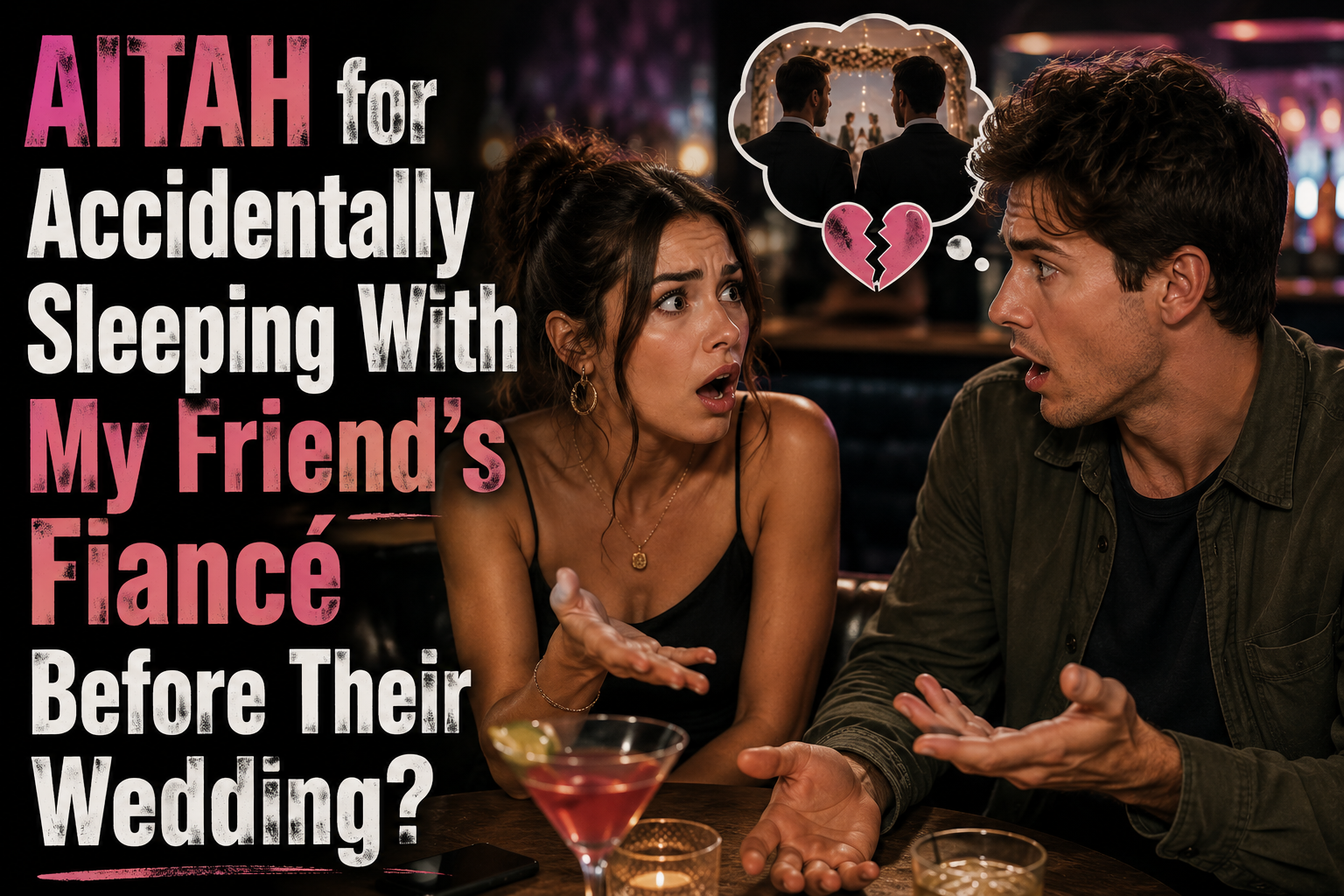
A casual summer hookup turns into a life-changing nightmare when a young man discovers the person he’s been seeing is actually his friend’s fiancé just weeks before their wedding.
Believing he had no idea about the relationship, he decides to tell the truth during a drunken girls’ night, setting off a chain of shocking revelations that exposes years of betrayal and ultimately brings the wedding to a halt.
Now left questioning whether honesty made him the villain, he wonders if he was wrong for revealing the affair—or simply the messenger caught in someone else’s deception.






As more details emerged, it became clear that this wasn’t a one-time mistake but part of a much larger pattern of deception.
What began as an accidental encounter soon unraveled into multiple hidden affairs, forcing everyone involved to confront painful truths just days before what was supposed to be a joyful wedding celebration.
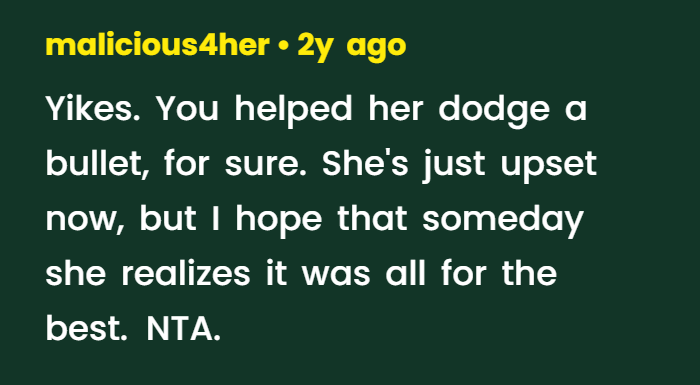
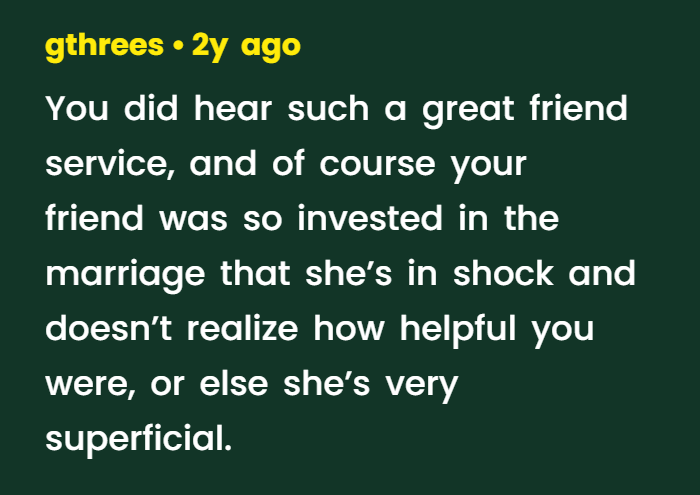
In the end, the biggest question wasn’t whether the secret should have been revealed—but whether the marriage ever had a chance of surviving the truth.
Check The Comment Section Below


Analysis: When One Secret Unravels an Entire Relationship
Sometimes the biggest relationship betrayals aren’t uncovered through detective work or carefully planned investigations—they’re exposed by complete accident. That’s exactly what makes this story so compelling. A young man attends what should have been a fun pre-wedding celebration, only to realize that his casual summer hookup is actually his longtime friend’s fiancé.
What follows isn’t simply a tale of infidelity; it’s a story about trust, honesty, identity, friendship, and how one unexpected revelation can completely change multiple lives in a matter of minutes.
No one walks into a situation like this expecting to become the center of someone else’s relationship crisis. Yet life has a way of creating impossible circumstances where every choice hurts someone. This story reminds us that sometimes there are no perfect outcomes—only difficult truths waiting to surface.
An Innocent Mistake That No One Could Have Predicted
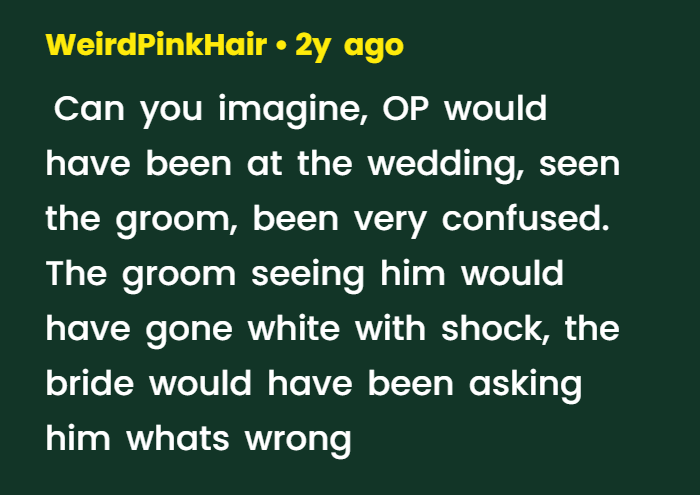
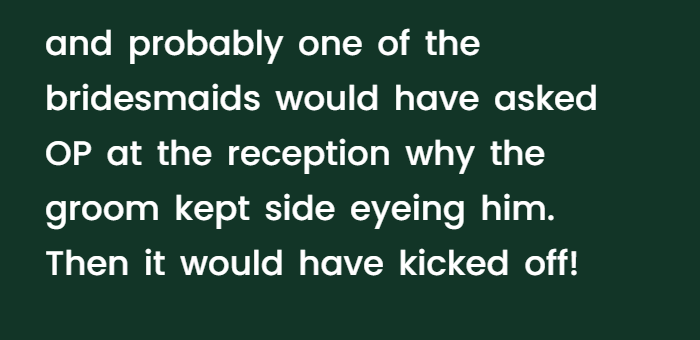
One of the most important aspects of this story is that the affair wasn’t knowingly pursued. The narrator had no idea the man he had been seeing was engaged, let alone engaged to someone he knew from high school.
Several factors made the misunderstanding believable:
- The friendship had faded after graduation.
- The wedding invitation didn’t include photographs.
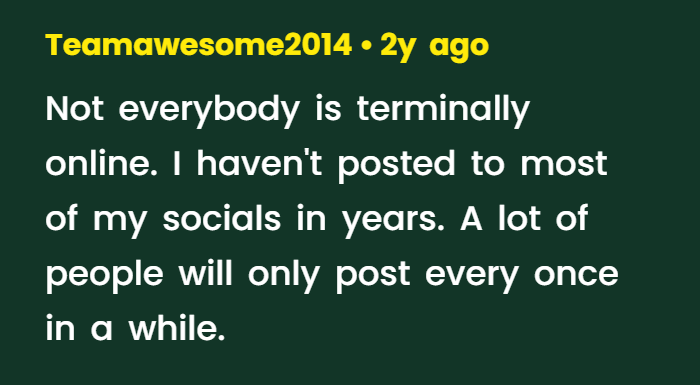
- Social media offered no clues about the fiancé.
- The relationship was simply viewed as a casual summer fling.
Without those missing pieces, there was little reason for suspicion. Sometimes coincidences seem unbelievable, but real life often produces situations stranger than fiction.
The Emotional Shock of Instant Recognition
Imagine discovering that someone you’ve been intimate with is standing beside your friend as her future husband.
That realization alone would be emotionally overwhelming.
The narrator immediately understood the seriousness of what had happened. Panic, embarrassment, guilt, disbelief, and fear all collided within seconds. Those emotions often cloud judgment, making it difficult for anyone to respond calmly or perfectly.
Moments like these remind us that people rarely react flawlessly when confronted with shocking truths.
Why Sienna’s Anger Was Completely Understandable
From Sienna’s perspective, her entire future collapsed in one evening.
She entered the girls’ night excited about her upcoming wedding, surrounded by friends celebrating one of the happiest moments of her life.
Instead, she learned that her fiancé had been cheating.
That emotional whiplash would leave almost anyone devastated.
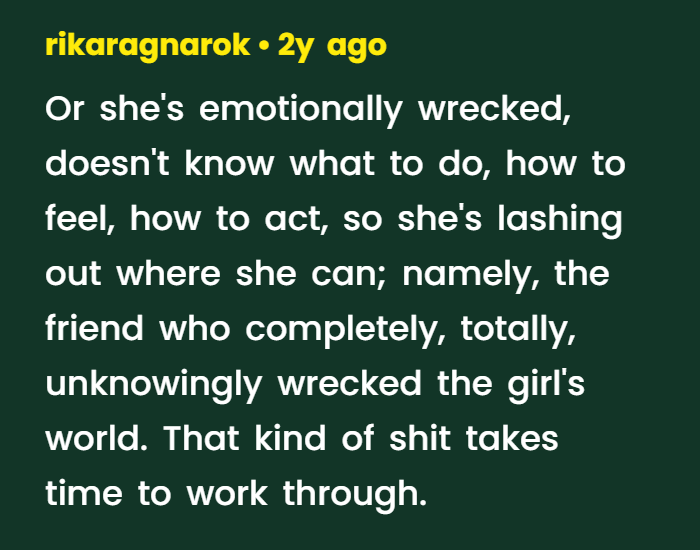
People experiencing sudden betrayal often direct their anger toward whoever delivered the painful information because accepting the truth about someone they deeply love feels almost impossible in the moment.
It doesn’t necessarily mean that anger is justified—it simply reflects how grief and shock often unfold.
When the Messenger Becomes the Target
History is full of examples where people blame the person who exposes bad news instead of the person responsible for creating it.
Psychologists sometimes refer to this as a form of displaced anger.
When betrayal feels overwhelming, blaming the messenger can temporarily feel easier than confronting the person who actually broke the trust.
That appears to be exactly what happened here.
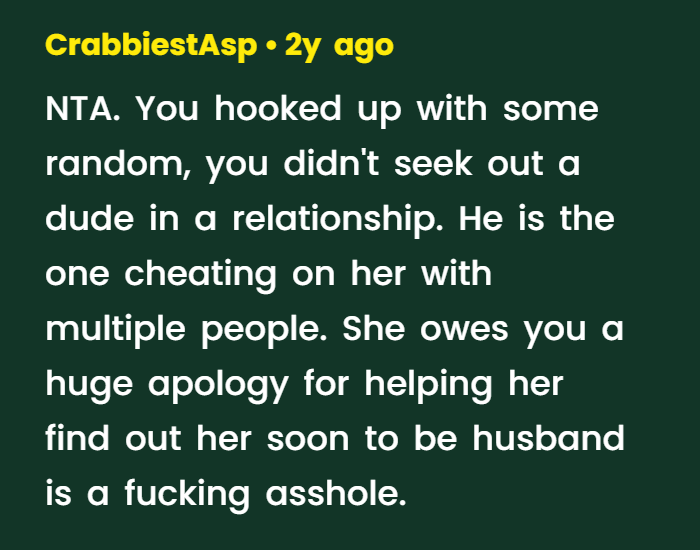
The narrator didn’t create the cheating.
He simply discovered it.
Unfortunately, the person revealing painful information is often caught in the emotional explosion that follows.
The Drunken Outburst That Changed Everything
The club confrontation quickly escalated after emotions reached their breaking point.
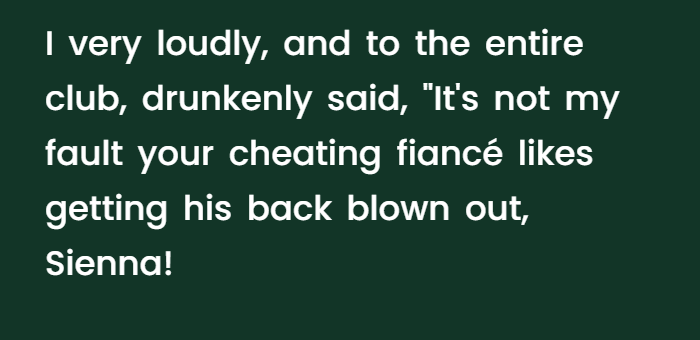
The narrator’s now-infamous comment—
“It’s not my fault your cheating fiancé…”
—was undeniably harsh.
Alcohol lowers inhibitions, weakens emotional regulation, and often turns thoughts into words before people have time to filter them.
While the delivery was explosive, it came during one of the most emotionally overwhelming moments imaginable.
It serves as a reminder that emotional pain combined with alcohol rarely produces calm conversations.
The Bigger Betrayal Wasn’t One Affair
Perhaps the most shocking revelation comes later.
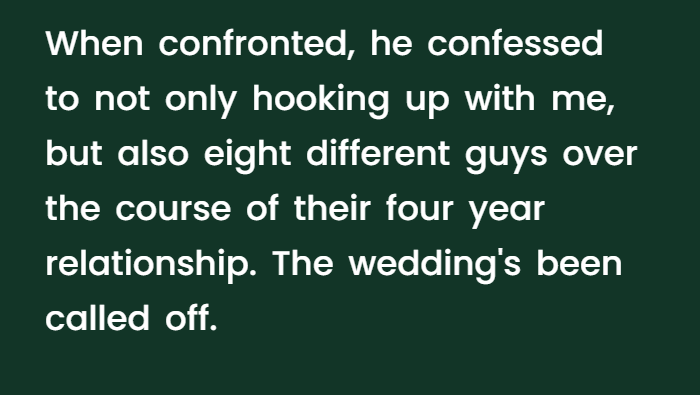
The fiancé didn’t admit to cheating with only one person.
He confessed to multiple affairs involving eight other men during a four-year relationship.
That changes the entire narrative.
This wasn’t an isolated mistake or a brief lapse in judgment.
It suggests a long-term pattern of deception that existed long before the narrator entered the picture.
When repeated dishonesty becomes part of a relationship, trust is no longer damaged—it is fundamentally broken.
Secrets Have a Way of Surfacing
One lesson repeatedly seen in relationships is that hidden truths rarely stay hidden forever.
Whether discovered through messages, conversations, social gatherings, or accidental encounters, deception often reveals itself in unexpected ways.
The longer secrets remain buried, the greater the emotional fallout becomes when they finally emerge.
Had this remained hidden until after the wedding, the consequences could have been even more devastating emotionally, legally, and financially.
The Psychological Impact of Infidelity
Infidelity affects far more than romantic feelings.
Research consistently shows that betrayal can trigger symptoms similar to trauma, including:
- Anxiety
- Panic attacks
- Loss of self-esteem
- Difficulty trusting future partners
- Depression
- Intrusive thoughts
- Emotional numbness
For many people, discovering repeated deception causes them to question not only the relationship but also their own judgment.
They replay conversations, memories, and promises, wondering how they missed the warning signs.
Healing from betrayal often takes much longer than outsiders realize.
The Unique Challenges Faced by LGBTQ+ Relationships
This story also highlights an important reality.
LGBTQ+ relationships experience the same emotional complexities, vulnerabilities, joys, and heartbreaks as any other relationship.
Infidelity, trust, honesty, commitment, and communication are universal human experiences.
The focus here isn’t the genders involved—it is the betrayal itself.
That universality is what makes the story resonate with so many readers.
Communication Could Have Prevented So Much Pain
Healthy relationships thrive on openness.
If the fiancé had been honest about his sexuality, his attractions, or doubts about the engagement before proposing, everyone involved could have avoided enormous heartbreak.
Instead, silence allowed deception to grow until it became impossible to contain.
Honest conversations are uncomfortable.
But delayed honesty often becomes far more painful than immediate truth.
Weddings Should Be Built on Trust, Not Secrets
Marriage represents one of the biggest commitments two people can make.
That commitment depends on mutual trust.
When one partner is living an entirely separate romantic or sexual life, the foundation of that future becomes unstable.
Calling off a wedding is undoubtedly painful.
Entering a marriage built on repeated dishonesty would likely have caused even deeper emotional wounds years later.
Sometimes a broken engagement prevents an even more devastating divorce.
Why Compassion Matters for Everyone Involved
Stories like this naturally lead readers to choose sides.
But every person involved is facing an incredibly painful reality.
The friend lost the future she believed she was building.
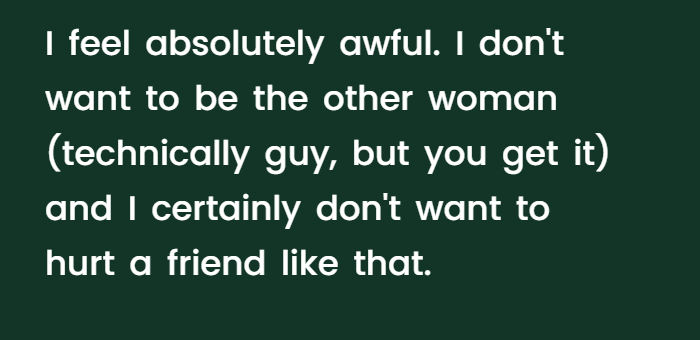
The narrator carries guilt despite not knowingly participating in the deception.
Even the fiancé, while responsible for his actions, may now have to confront difficult truths about himself, his choices, and the harm those choices caused.
Compassion doesn’t erase accountability, but it reminds us that people are often more complicated than a single mistake or a single night.
A Gentle Reminder for Anyone Reading This
If you’ve ever discovered a painful truth about someone you love, know that your emotions are valid. Shock, anger, sadness, confusion, embarrassment, and even guilt can all exist at the same time after a betrayal. While honesty may sometimes break hearts in the short term, it also creates the possibility for genuine healing, healthier relationships, and a future built on trust rather than secrets.