
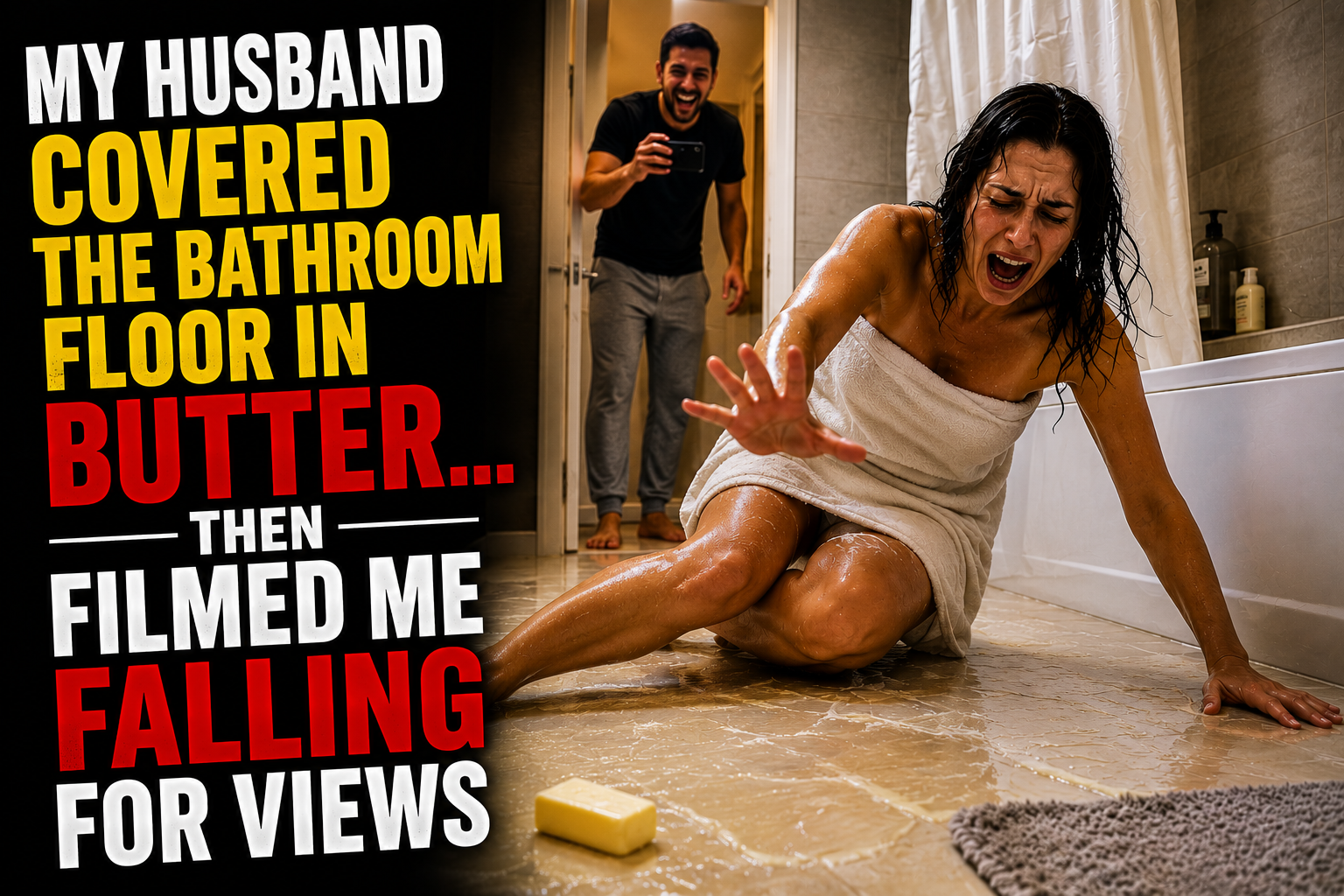
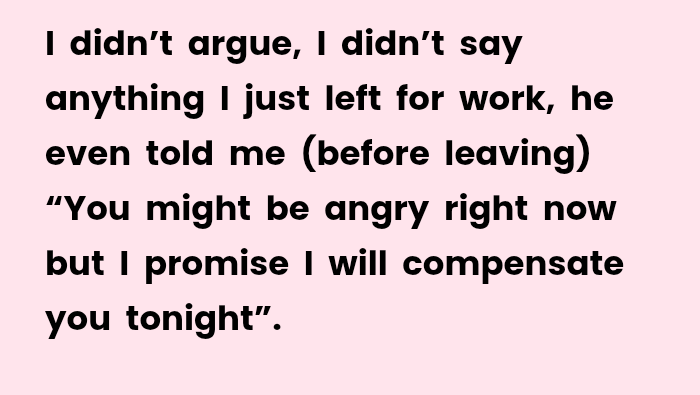
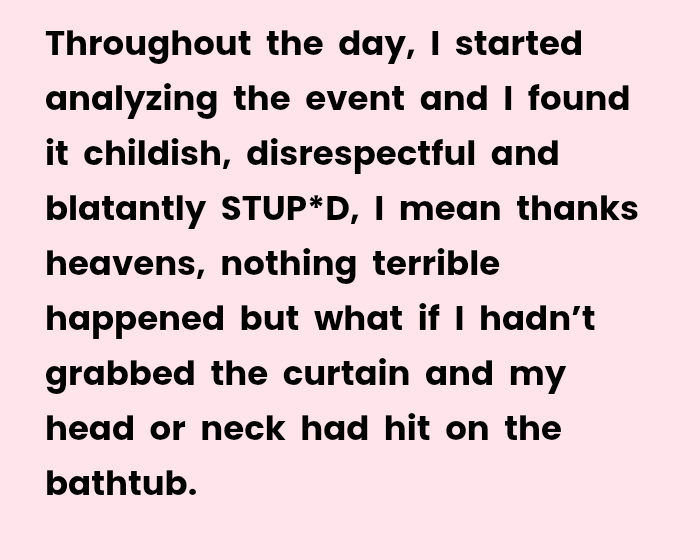
What began as an ordinary Monday morning quickly turned into a heartbreaking betrayal when a husband secretly spread butter across the bathroom floor to make his spouse slip, all while recording the fall in hopes of creating a viral prank video.
Although no serious physical injuries occurred, the emotional damage proved far greater than either of them anticipated.
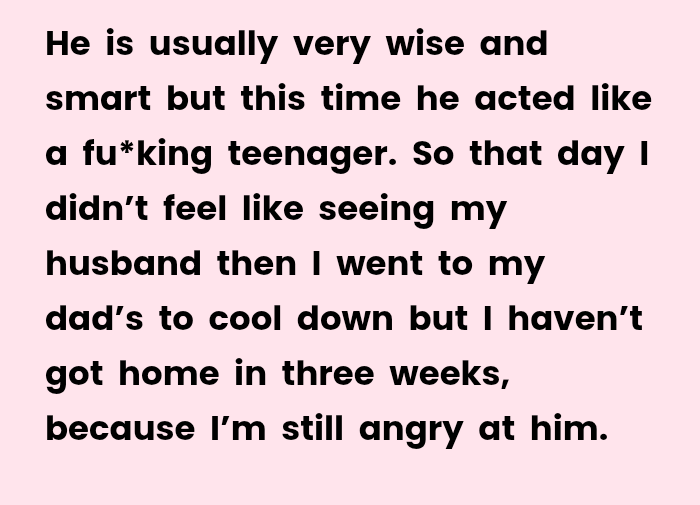
Feeling humiliated, unsafe, and deeply disrespected, the spouse left the family home and has spent weeks questioning whether the trust and security that once defined the marriage can ever truly be restored.
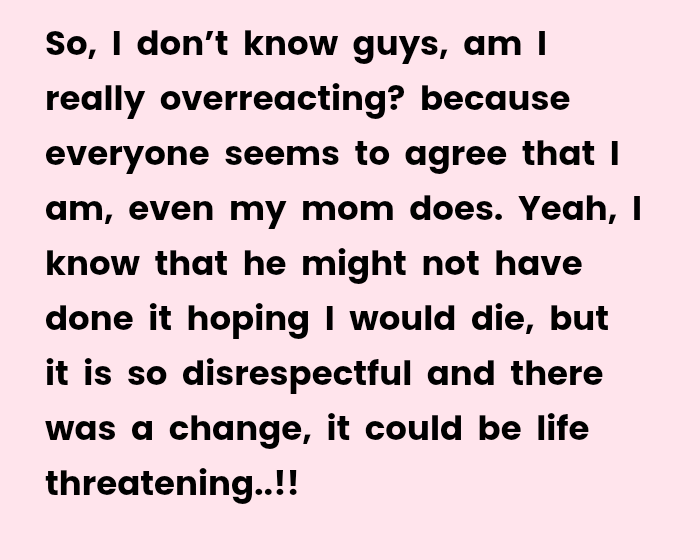
Many people defending situations like this often say, “He didn’t mean to hurt you.”
That may very well be true. Most likely, the husband expected a funny reaction rather than an injury.
But good intentions do not erase harmful consequences.
Analysis
When a Prank Stops Being Funny
Pranks are meant to create laughter, not fear, humiliation, or physical danger. The moment a joke puts someone’s safety at risk or leaves them feeling betrayed, it stops being harmless entertainment. This story isn’t really about slipping on a bathroom floor—it’s about what happens when trust is sacrificed for a few laughs or the possibility of internet attention. A home should be the safest place a person has, and a spouse should be the last person someone expects to create a dangerous situation on purpose.
Trust Is the Heart of Every Marriage
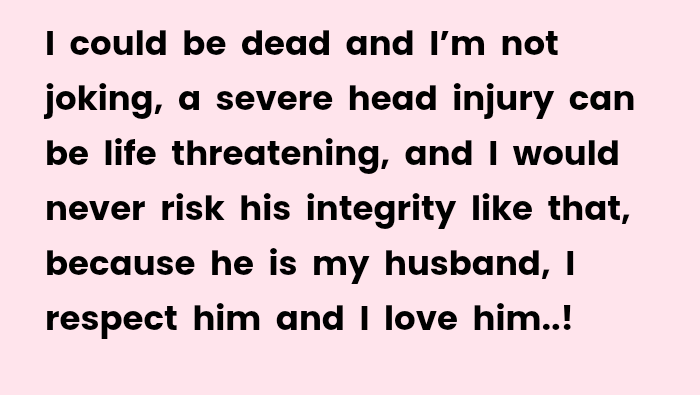
Marriage is built on the belief that your partner will protect you, support you, and look out for your well-being. That sense of safety allows couples to relax and be vulnerable with one another. When one partner intentionally creates a situation that could have caused serious harm, it naturally shakes that foundation.
The emotional pain doesn’t come only from the fall itself. It comes from realizing that the person behind the camera was supposed to be the person standing beside you. Once that feeling of security is damaged, rebuilding it takes much more than a simple apology.
A Bathroom Is No Place for Dangerous Pranks
Bathrooms are already one of the most accident-prone areas in any home. Wet floors, hard tiles, bathtubs, and sharp fixtures make slips especially dangerous.
Deliberately adding butter or any slippery substance to the floor dramatically increases the risk of serious injuries such as broken bones, concussions, spinal injuries, or even fatal head trauma.
The fact that nothing catastrophic happened should be viewed as good fortune—not proof that the prank was harmless. Sometimes people escape terrible consequences simply because luck was on their side. That doesn’t make the decision any less reckless.
The Cost of Chasing Viral Fame
Social media has changed the way many people think about entertainment. Every day, millions of users watch prank videos, reaction clips, and shocking moments that generate millions of views. Unfortunately, this constant pursuit of attention has convinced some people that bigger risks lead to bigger rewards.
But no amount of likes, comments, or followers is worth putting someone you love in danger.
Internet fame is temporary. Broken trust can last for years.
The healthiest relationships are built on respect—not on turning your partner into content for strangers.
Intentions Don’t Erase the Impact
Adults are responsible not only for what they intend to happen but also for the foreseeable risks of their actions.
It’s possible for someone to love their partner deeply and still make an incredibly poor decision. Acknowledging that reality doesn’t excuse the behavior—it simply recognizes that people sometimes make serious mistakes with lasting consequences.
Why the Emotional Hurt Lasts Longer Than the Bruises
Physical injuries often heal faster than emotional wounds.
What lingers after an event like this is the constant question: “Can I still feel safe around the person I trusted most?”
That question affects every interaction afterward. The victim may become more cautious, less emotionally open, and more hesitant to trust future promises. Even if no permanent physical harm occurred, the feeling of vulnerability can remain for a long time.
Healing emotionally requires much more than hearing the words “I’m sorry.” It requires seeing consistent actions that rebuild confidence and restore a sense of security.
Family and Friends Don’t Always Understand
One of the hardest parts of painful situations is when the people around us encourage us to “just get over it.”
Most friends and relatives mean well. They often focus on the outcome rather than the experience itself. Because the victim wasn’t seriously injured, they may assume the issue isn’t that serious.
But emotional pain isn’t measured by broken bones.
Feeling humiliated, frightened, or betrayed deserves just as much compassion as recovering from a visible injury. Every person processes difficult experiences differently, and healing should never be rushed simply to make others more comfortable.
What This Story Says About Society
Stories like this reveal how much influence internet culture has gained over everyday life. Many people now feel pressure to create funny or shocking moments because social media rewards attention more than responsibility.
As a society, we should encourage content that entertains without putting others at risk. Relationships should never become performances where one partner’s dignity or safety is sacrificed for views.
Kindness, empathy, and mutual respect may not always go viral—but they are what build healthy families and lasting marriages.
Can Trust Be Rebuilt?
The encouraging part of this story is that the husband appears genuinely remorseful. He has apologized repeatedly and seems to recognize the seriousness of what happened.
That doesn’t automatically mean forgiveness has to happen immediately.
Trust isn’t repaired through promises alone. It returns slowly through patience, accountability, changed behavior, and consistent respect over time. The injured partner has every right to take the time needed to process what happened before deciding what the future of the relationship looks like.
Sometimes relationships become stronger after genuine growth. Other times, an event permanently changes how one person views the other. Both outcomes are understandable.
A Gentle Reminder About Self-Respect and Healing
One of the most important lessons from this story is that protecting your emotional well-being is never an overreaction. Taking space after feeling betrayed isn’t about punishment—it’s about giving yourself room to think clearly without pressure from others.
At the same time, it’s also important to remember that people are capable of learning from their mistakes. Healing doesn’t always require choosing between forgiveness and separation immediately. Sometimes it simply means slowing down, listening to your own feelings, and allowing yourself the time needed to decide what truly feels right.
Final Thoughts
This story isn’t really about butter on a bathroom floor. It’s about trust, safety, respect, and the quiet promise every couple makes to protect one another. A relationship should be a place where both partners feel secure enough to let their guard down, not worry that they’ll become the target of a dangerous joke.
Whether this marriage ultimately survives will depend less on one reckless prank and more on what happens afterward—honest conversations, genuine accountability, consistent change, and the willingness to rebuild trust with patience rather than pressure. Everyone deserves a relationship where they feel safe, respected, and valued, and no viral trend should ever be more important than the well-being of the person you love.