
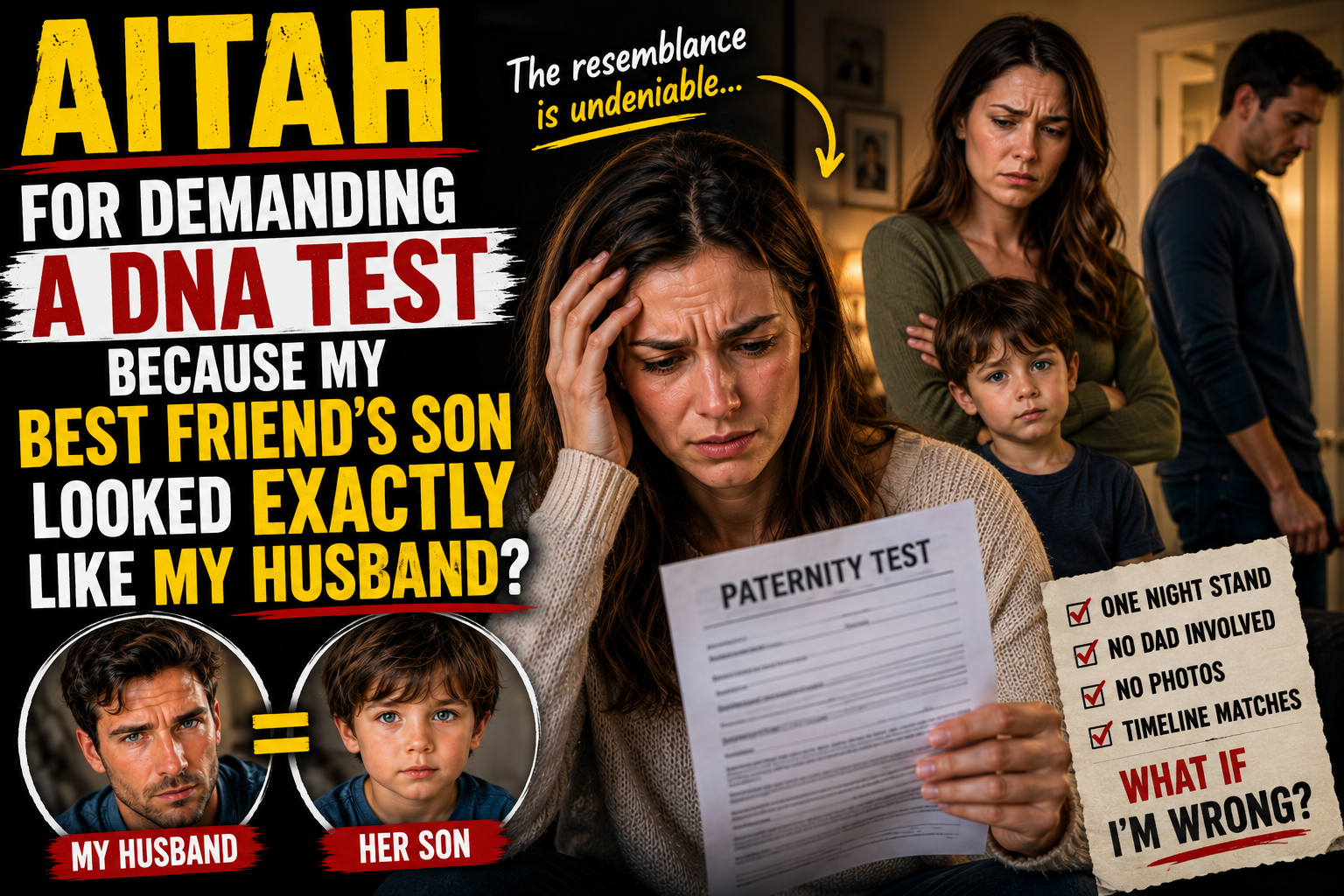
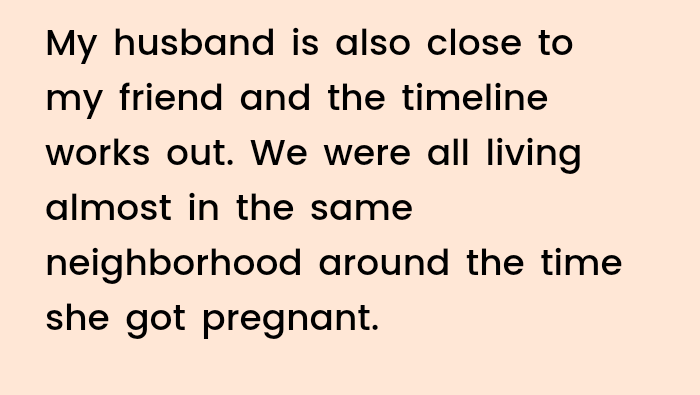
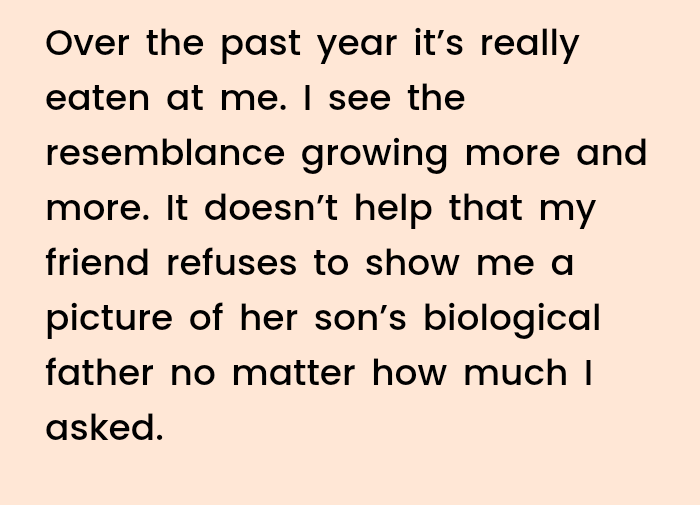
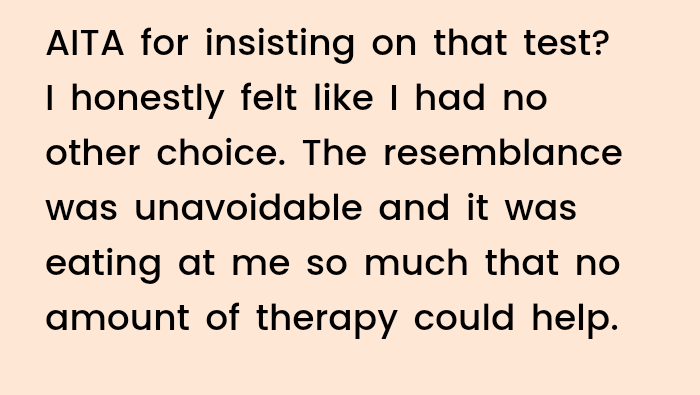
A woman becomes convinced that her best friend’s three-year-old son is actually her husband’s secret child because of their striking resemblance.
Unable to shake her suspicions, she demands a paternity test, believing it’s the only way to save her marriage and her peace of mind.
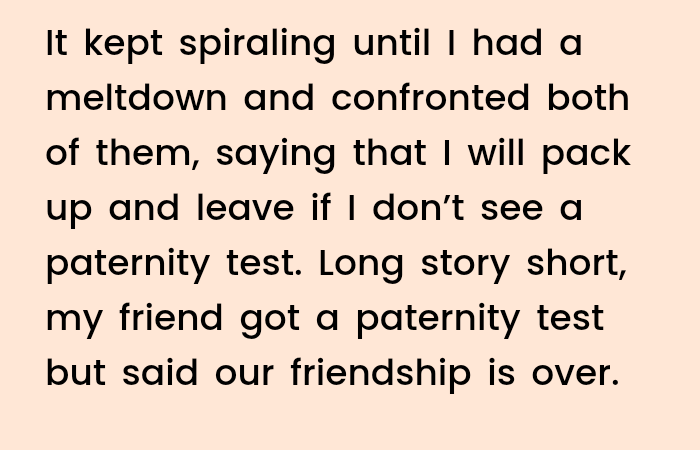
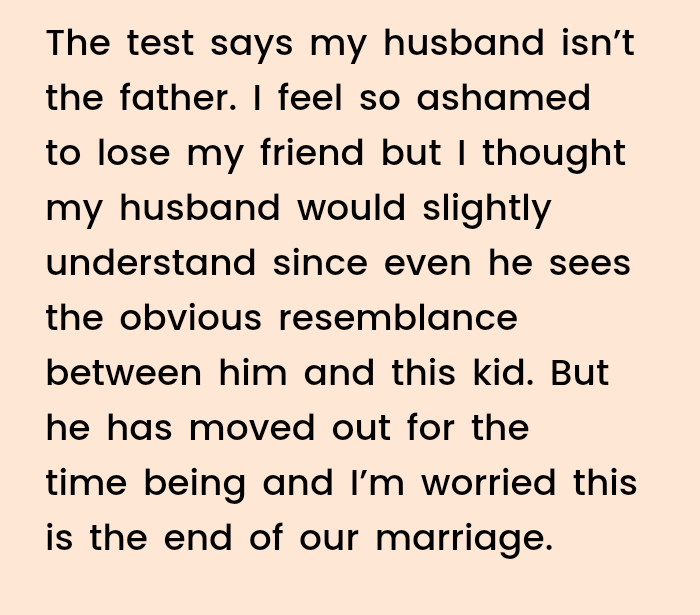
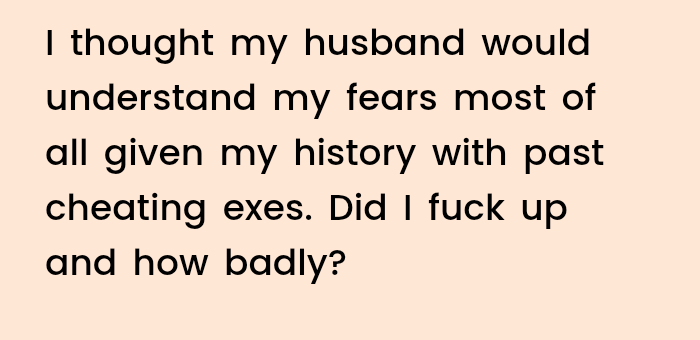
The results answer her biggest question, but not before her accusations shatter years of trust, leaving her friendship in ruins and her marriage hanging by a thread.
The woman in this story wasn’t trying to be cruel.
She was overwhelmed by doubt, past experiences, and a resemblance she couldn’t stop seeing.
In her mind, asking for a paternity test felt like the only way to find peace.
Analysis: What This Situation Really Reveals
This story isn’t really about a DNA test.
It’s about what happens when fear becomes stronger than trust.
The woman in this story wasn’t trying to be cruel. She was overwhelmed by doubt, past experiences, and a resemblance she couldn’t stop seeing. In her mind, asking for a paternity test felt like the only way to find peace. Unfortunately, the people around her experienced it very differently. To them, it felt like they were being accused without evidence.
That’s one of the hardest realities in relationships. Even when our fears feel completely real, they aren’t always reality.
Past betrayals can leave emotional scars that make us expect history to repeat itself. If you’ve been cheated on before, your brain naturally becomes more alert to anything that resembles danger. Sometimes that’s protective. Other times, it causes us to connect dots that simply aren’t there.
That doesn’t make someone a bad person.
It makes them someone carrying unresolved pain.
At the same time, trust is one of the most fragile parts of any relationship. Once someone feels falsely accused, rebuilding that trust can take months or even years. An apology can heal wounds, but it doesn’t automatically erase the hurt.
The Bigger Impact On Society
Stories like this are becoming more common because we live in a world where suspicion often spreads faster than communication.
Social media, true crime stories, viral cheating scandals, and endless relationship drama can make people believe deception is everywhere. Over time, it’s easy to become hypervigilant, constantly looking for signs that something is wrong.
Another issue is that many people carry emotional baggage from previous relationships into healthy ones.
The pain may come from an ex, but the consequences often affect someone entirely different.
This story also reminds us that appearances can be incredibly misleading. Children often resemble people they aren’t related to, and our brains are naturally wired to notice patterns. Sometimes those similarities are nothing more than coincidence.
What Can We Learn From This?
If something is bothering you, don’t let it grow silently for months or years.
Open conversations are uncomfortable, but they’re almost always healthier than letting fear build into certainty.
It’s also okay to admit when anxiety is influencing your thinking. That doesn’t make your feelings invalid. It simply means your emotions deserve care before they make decisions for you.
One of the strongest things anyone can say in a relationship is, “I’m scared, and I need help understanding what I’m feeling.”
That kind of honesty creates connection instead of conflict.
A Better Way Forward
If you’ve experienced betrayal in the past, remember that healing doesn’t happen automatically just because time passes. Sometimes those wounds quietly shape the way we see new relationships.
That’s why therapy, honest conversations, and emotional self-awareness matter so much. They don’t erase painful memories, but they help prevent yesterday’s heartbreak from becoming tomorrow’s misunderstanding.
If you’re on the receiving end of someone’s fears, try to remember that their anxiety may not actually be about you. That doesn’t mean you should accept false accusations, but understanding where those fears come from can sometimes lead to more compassionate conversations.
Finally, if this story leaves you with one takeaway, let it be this.
Trust should be protected, but so should your peace of mind.
Healthy relationships make room for difficult conversations, honest reassurance, accountability when mistakes are made, and the willingness to heal together instead of allowing fear to quietly pull two people apart.