
Ever put together an outfit, look in the mirror, and feel like something is just… not working? You like the top, the jeans are cute, the shoes are lovely, and yet the whole outfit somehow looks different from what you imagined.

Welcome to fashion. Sometimes the problem isn’t that you need more clothes. It’s that a few little styling details are getting in the way.
And no, you don’t need a designer wardrobe, a personal stylist, or a credit card with unlimited funds to look put together. Some of the most stylish outfits are built from ordinary basics. The difference often comes down to fit, proportions, fabric, and knowing when to stop adding things.
Let’s look at 15 common fashion mistakes that can make an outfit feel less polished, along with easy ways to fix them. You might even discover that your wardrobe already has everything you need.
1. Wearing Clothes That Don’t Fit Properly
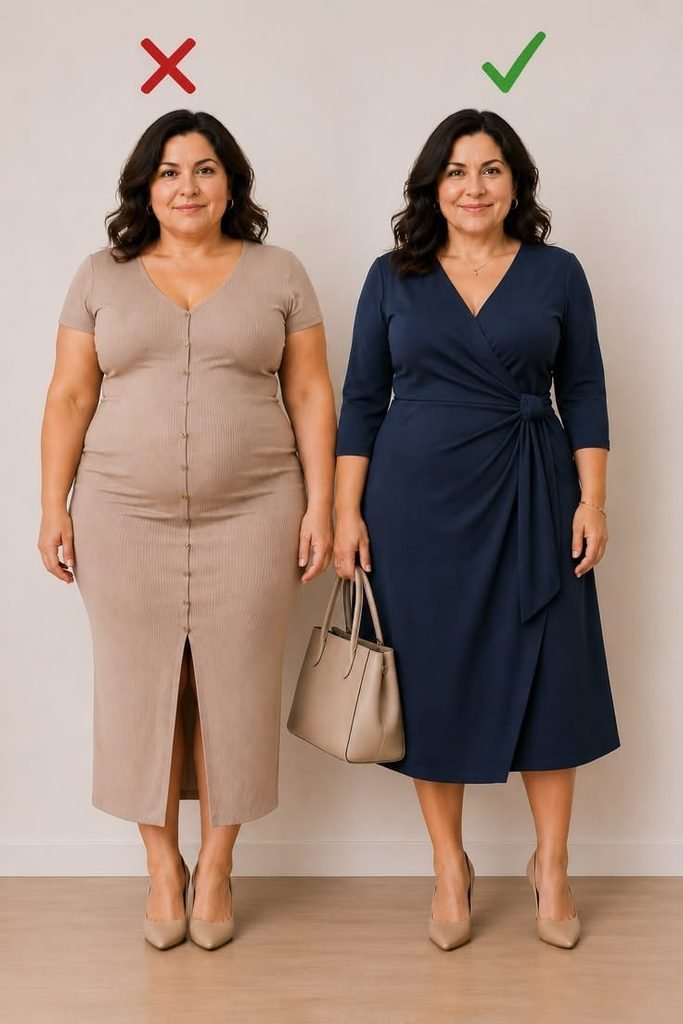
Let’s start with the biggest one. You can wear an expensive outfit from a famous designer, but if the fit is uncomfortable or completely off, the price tag won’t magically save it.
Clothes that are too tight may pull, bunch, or create uncomfortable lines. On the other hand, clothes that are much too loose can sometimes hide the shape and proportions you actually want to show.
The trick is not wearing everything fitted or everything oversized. It’s choosing the fit that makes sense for the garment and the look you’re creating.
How to fix it: Pay attention to the shoulders, waist, sleeves, trouser length, and how the fabric falls when you move. If a lovely outfit needs a small alteration, a tailor might be a better investment than buying another outfit.
2. Following Every Trend Just Because It’s Trending

One minute everyone is wearing oversized blazers, the next it’s ballet flats, and suddenly your social media feed is telling you that your favorite jeans are apparently outdated.
Fashion trends are fun, but treating every trend like a wardrobe emergency can become expensive very quickly.
You don’t have to wear something simply because it is popular. A trend should add something to your personal style, not make you feel like you’re wearing a costume.
Look at celebrities such as Zendaya, whose fashion choices often show how different silhouettes and styles can be used to create a distinctive look. The useful lesson isn’t to copy every outfit. It’s to experiment while keeping your own taste.
How to fix it: Before buying a trending item, ask yourself whether you can style it with at least three things you already own. If the answer is no, it might be an impulse purchase rather than a wardrobe essential.
3. Ignoring the Importance of Proportions
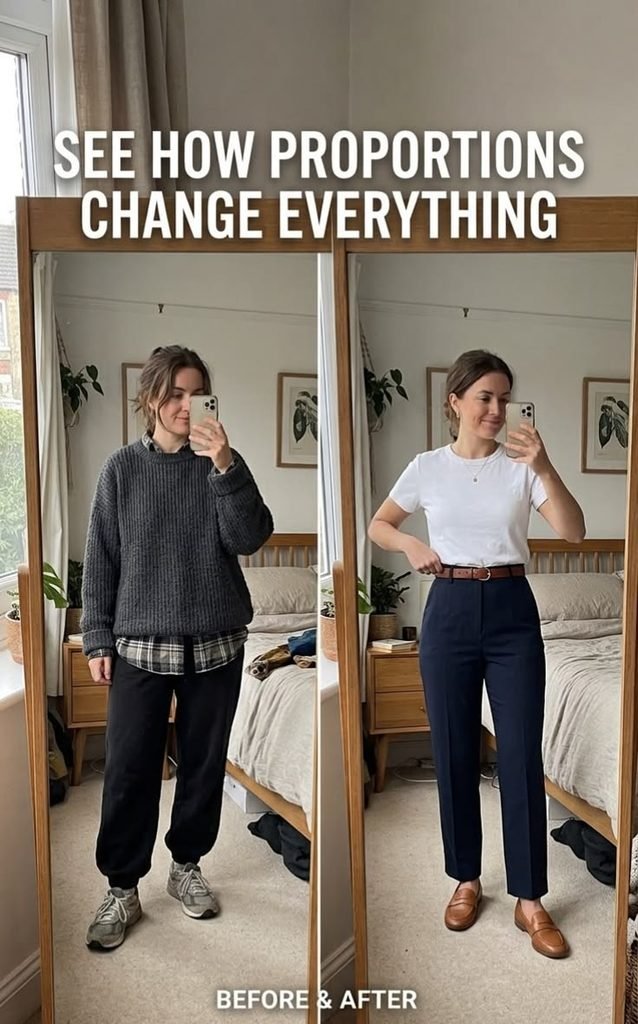
This is one of those styling details that can completely change an outfit without requiring you to buy anything new.
Imagine wearing a very oversized top with extremely wide-leg trousers. Both pieces might look great separately, but together they can sometimes make the overall outfit feel a little overwhelming.
That doesn’t mean you can’t wear oversized clothing. It simply means balancing the different shapes can help create a more intentional look.
How to fix it: Try pairing a loose top with straight-leg or fitted trousers, or wear a more fitted top with wide-leg pants. You can also tuck in part of a shirt, add a belt, or choose a shorter jacket to create a different silhouette.
Think of proportions as the secret ingredient that helps separate an outfit from a pile of clothes.
4. Wearing the Wrong Undergarments Under an Outfit
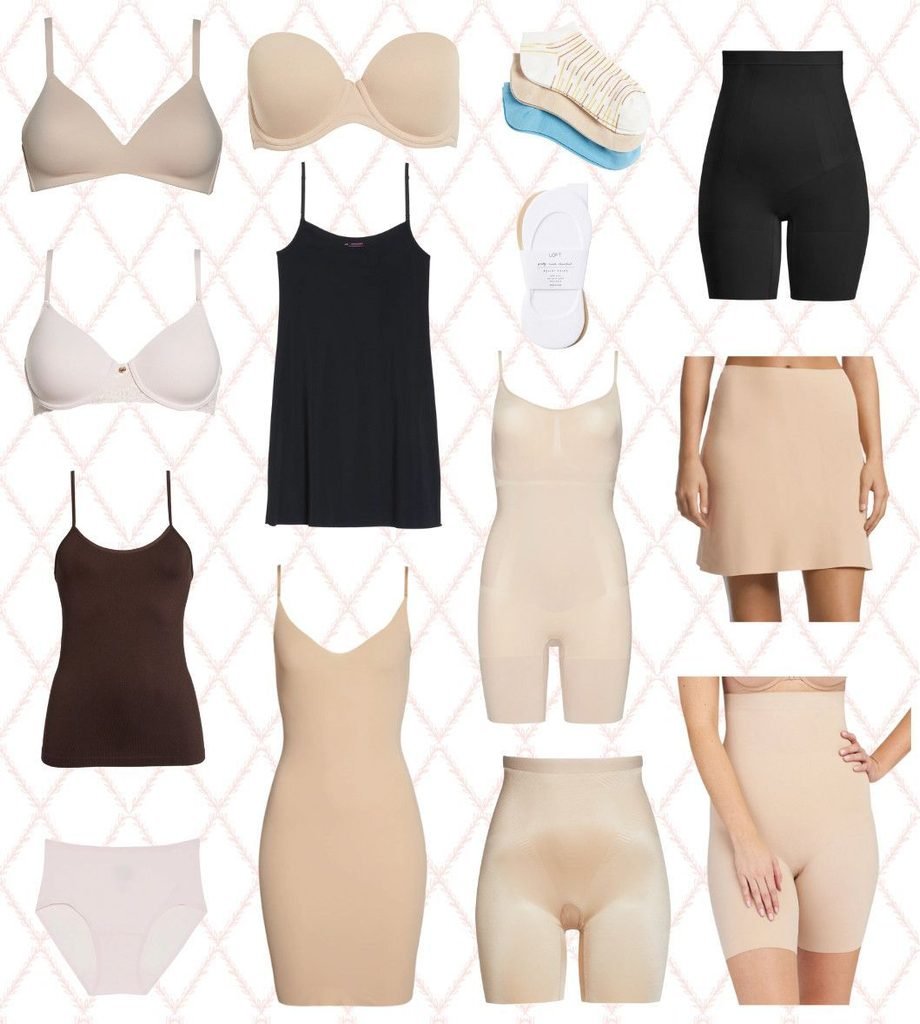
This is a surprisingly common styling problem, and it has nothing to do with having the perfect body.
A beautiful dress can lose its smooth finish if the bra straps keep appearing where you don’t want them, or if underwear seams are visible through thin fabric. Sometimes the issue is simply wearing an undergarment that doesn’t work with the cut or material of the outfit.
And let’s be honest, constantly adjusting your clothes throughout the day is not exactly the glamorous experience we imagined.
How to fix it: Choose underwear based on the outfit rather than wearing the same style with everything. Seamless options can work well under thinner fabrics, while strapless or convertible bras may be useful with certain necklines.
Comfort matters too. The best undergarments are the ones that fit properly and allow you to move without thinking about them every five minutes.
5. Choosing Shoes That Don’t Match the Outfit’s Overall Feel
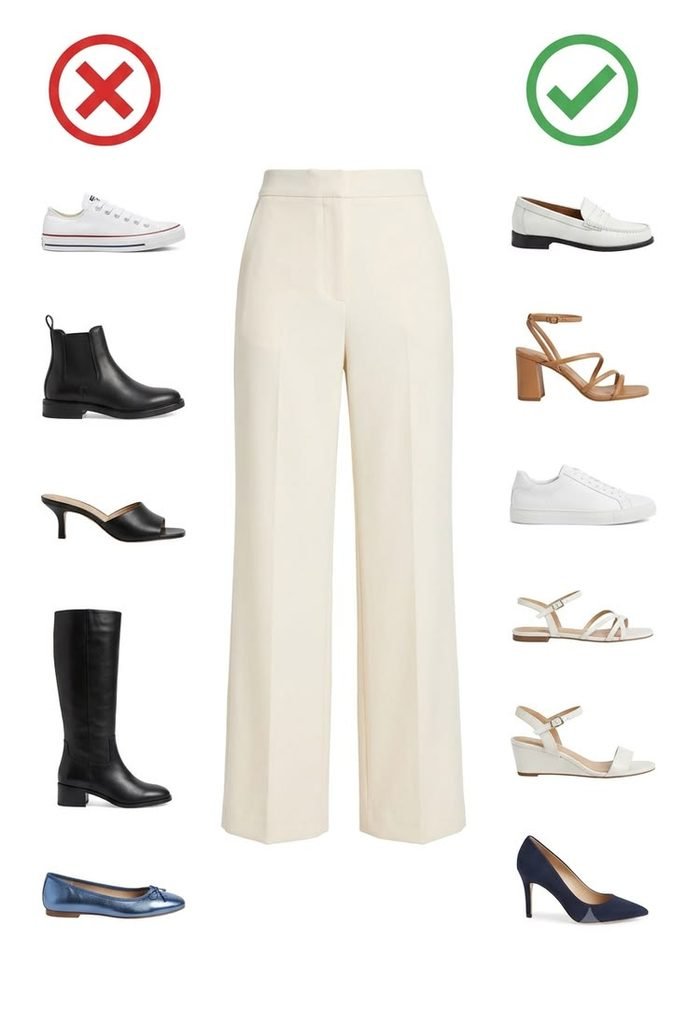
Shoes can completely change the personality of an outfit. A simple dress can look casual with sneakers, elegant with heels, or relaxed with flat sandals.
The mistake isn’t wearing the wrong type of shoe according to some imaginary fashion rule. It’s choosing footwear without considering the overall look, occasion, or comfort.
For example, a very sporty pair of shoes might feel out of place with a formal outfit unless you’re intentionally creating a fashion contrast.
How to fix it: Consider the outfit’s mood before choosing footwear. Clean sneakers, loafers, ankle boots, ballet flats, and classic heels can all be useful wardrobe options. You don’t need dozens of pairs, just a few versatile styles that work with your everyday clothes.
6. Overloading an Outfit With Accessories
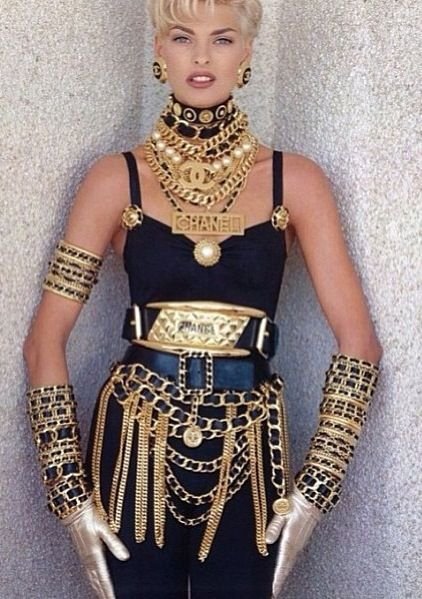
Accessories are wonderful. Earrings, necklaces, rings, scarves, belts, sunglasses, and handbags can make even a simple outfit feel special.
But sometimes we get a little too excited.
You start with a necklace, add statement earrings, decide the outfit needs a scarf, then throw in a bold belt and a very noticeable bag. Suddenly every accessory is competing for the lead role.
How to fix it: Choose one or two accessories to be the main focus. If you’re wearing large statement earrings, you might prefer a simpler necklace. If your handbag is colorful and eye-catching, let the rest of the outfit have a little breathing room.
You don’t have to remove all your favorite accessories. Just give each one a chance to shine.
7. Buying Clothes That Look Great on the Hanger but Not in Real Life
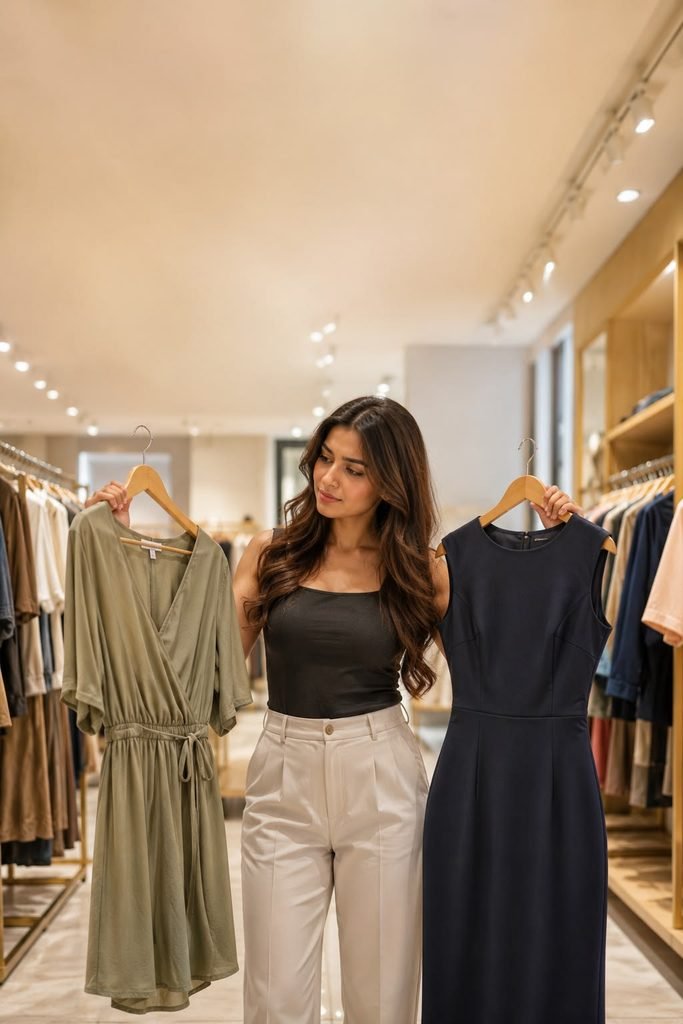
We have all been there. You see a gorgeous top in a store, imagine yourself wearing it on a perfect day, and buy it immediately.
Then you get home, try it on, and somehow it looks nothing like the version in your imagination.
Sometimes the color doesn’t suit the clothes you already own. Sometimes the fabric feels uncomfortable. And sometimes the item requires a very specific outfit that you don’t actually have.
How to fix it: Try clothes on whenever possible and move around in them. Sit down, walk, lift your arms, and check whether the garment stays comfortable.
If you’re shopping online, read the fabric description, sizing information, and return policy. A beautiful product photo doesn’t tell you everything about how an item will look or feel.
8. Forgetting That Fabric Makes a Big Difference
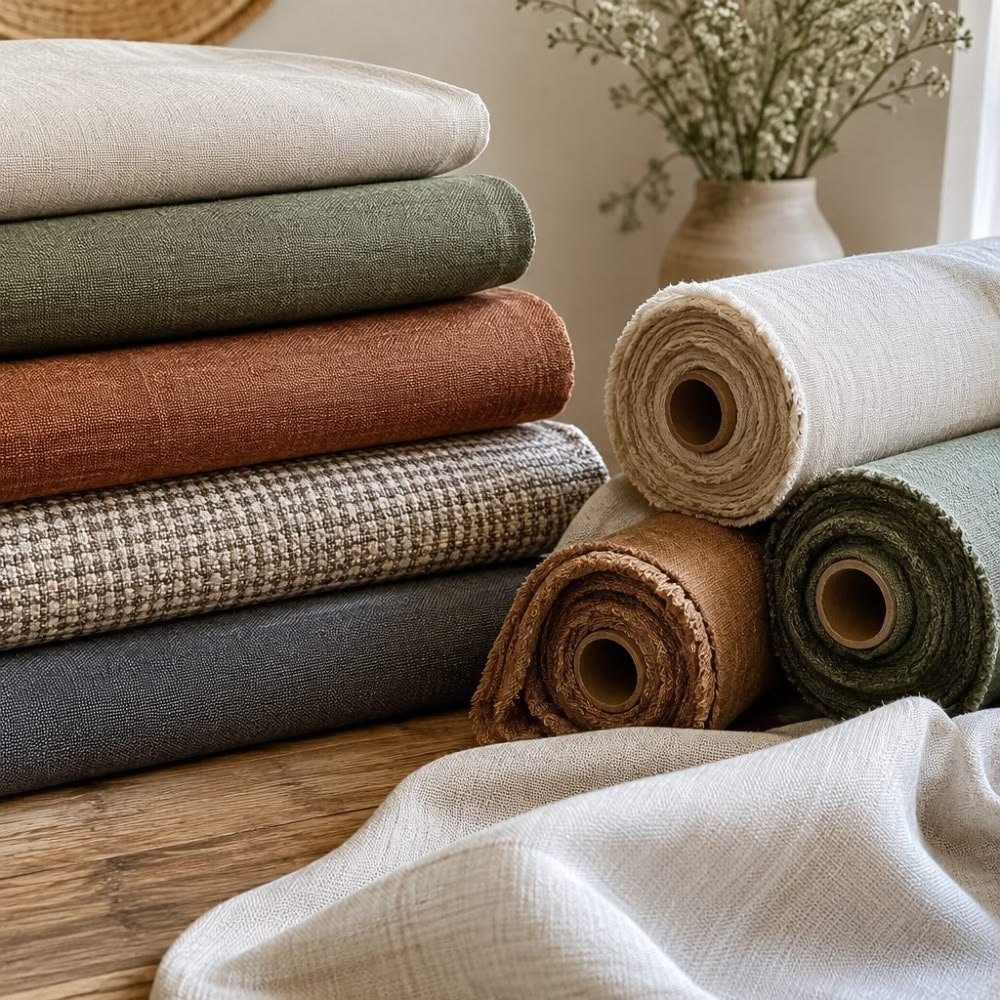
Two shirts can have almost identical designs but look completely different because of their fabrics.
A material that is too thin, overly shiny, stiff, or prone to wrinkles may not create the finish you expected. That doesn’t mean inexpensive fabrics are automatically bad or expensive fabrics are always better. It means the material should suit the garment and the occasion.
For example, a structured blazer usually benefits from fabric that holds its shape, while a relaxed summer dress may look lovely in a lighter, breathable material.
How to fix it: Check how the fabric feels, whether it is see-through, how easily it wrinkles, and whether it drapes the way you like. Also check the care label before buying. If an item needs special cleaning every time you wear it, consider whether you’ll realistically maintain it.
9. Thinking Everything Has to Match Perfectly
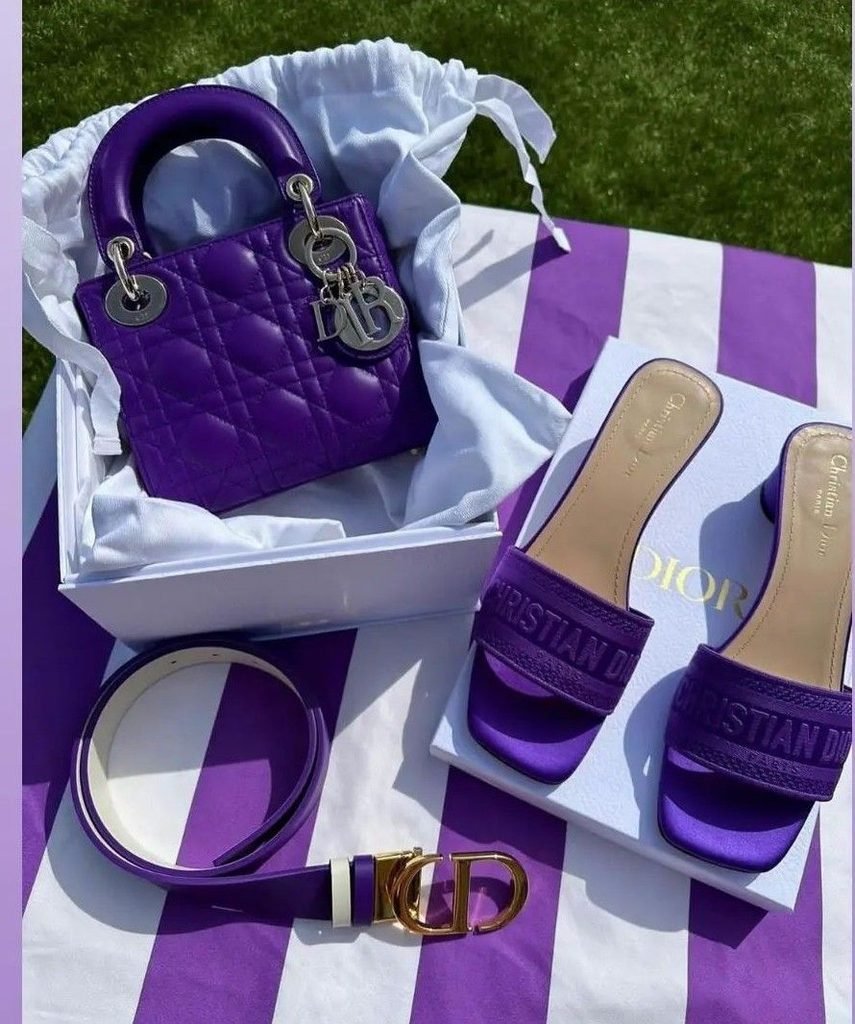
Remember when matching your handbag, shoes, belt, and outfit in exactly the same color seemed like the ultimate fashion rule?
Well, coordinated outfits can still look beautiful, but everything doesn’t need to match perfectly to look stylish.
In fact, combining different shades, textures, and colors can make an outfit feel more interesting. A neutral outfit with a colorful bag or contrasting shoes can look much more intentional than a collection of perfectly identical accessories.
How to fix it: Try combining complementary colors or different shades from the same color family. You can also use neutrals such as black, white, beige, navy, and grey to bring different pieces together.
Think coordinated, not identical.
10. Wearing Wrinkled or Poorly Maintained Clothes
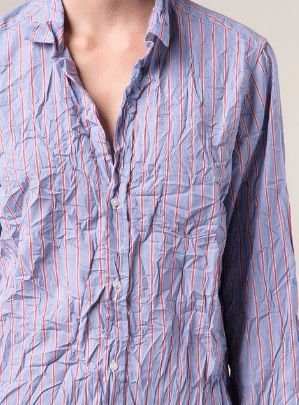
You don’t need designer clothes to look polished, but taking care of the clothes you already own makes a noticeable difference.
A wrinkled shirt, dusty shoes, loose buttons, visible lint, or a stretched-out neckline can make an otherwise lovely outfit look neglected.
It’s one of those details people may not consciously notice, but the overall appearance can feel less put together.
How to fix it: Keep a small clothing-care routine. Steam or iron clothes when needed, remove lint, clean your shoes, check buttons, and store delicate pieces properly.
A lint roller and a basic clothes steamer can be surprisingly useful wardrobe investments.
11. Wearing the Wrong Length for the Look You’re Trying to Create
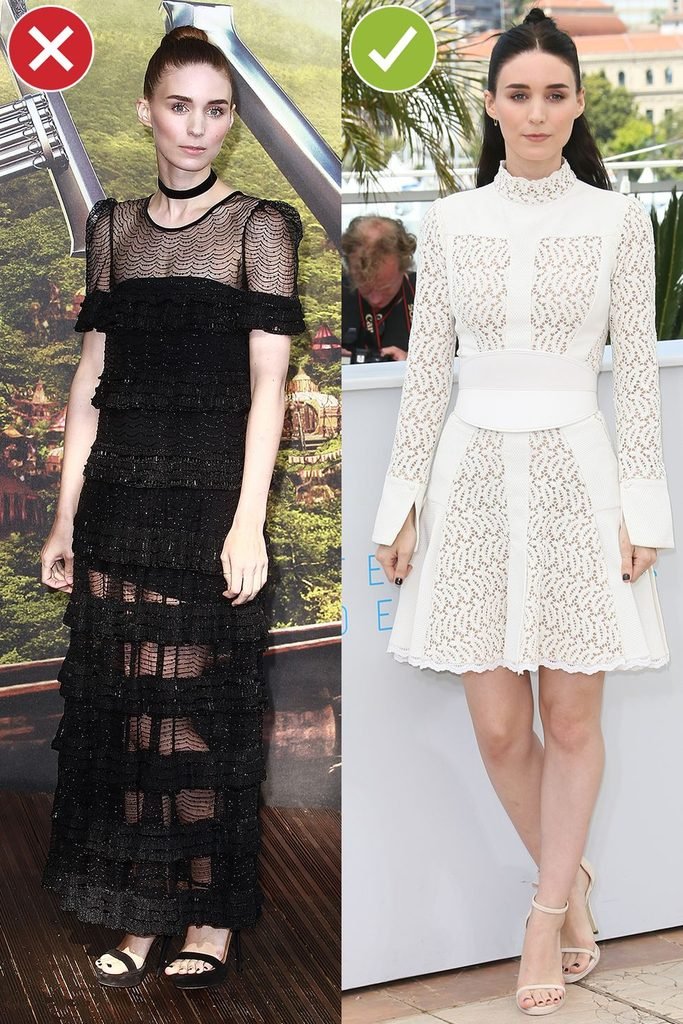
Trouser length, skirt length, jacket length, and sleeve length all influence how an outfit comes together.
For example, trousers that bunch heavily around the ankles may create a different effect from a clean, tailored hem. Similarly, a jacket that ends at an awkward point can change the proportions of an outfit.
There is no universal perfect length, because different styles are meant to fit differently. Wide-leg trousers, cropped jeans, maxi skirts, and oversized jackets all have their own shapes.
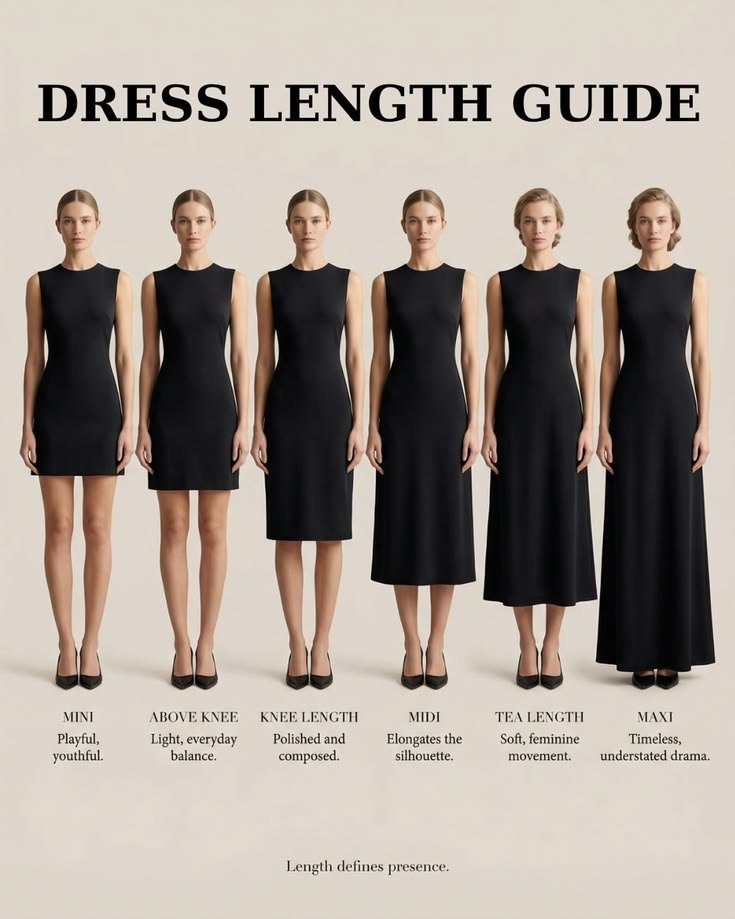
How to fix it: Pay attention to where garments end on your body and how the lengths work together. If you love a pair of trousers but the hem is too long, a simple alteration can make them look much more polished.
12. Choosing a Handbag Without Considering the Outfit
A handbag isn’t just something that carries your phone, keys, and approximately seventeen things you didn’t know you needed.
It is also part of your outfit.
A very casual fabric tote, for example, may not create the same look as a structured handbag with a tailored outfit. Similarly, an extremely formal bag might feel out of place with relaxed weekend clothes.
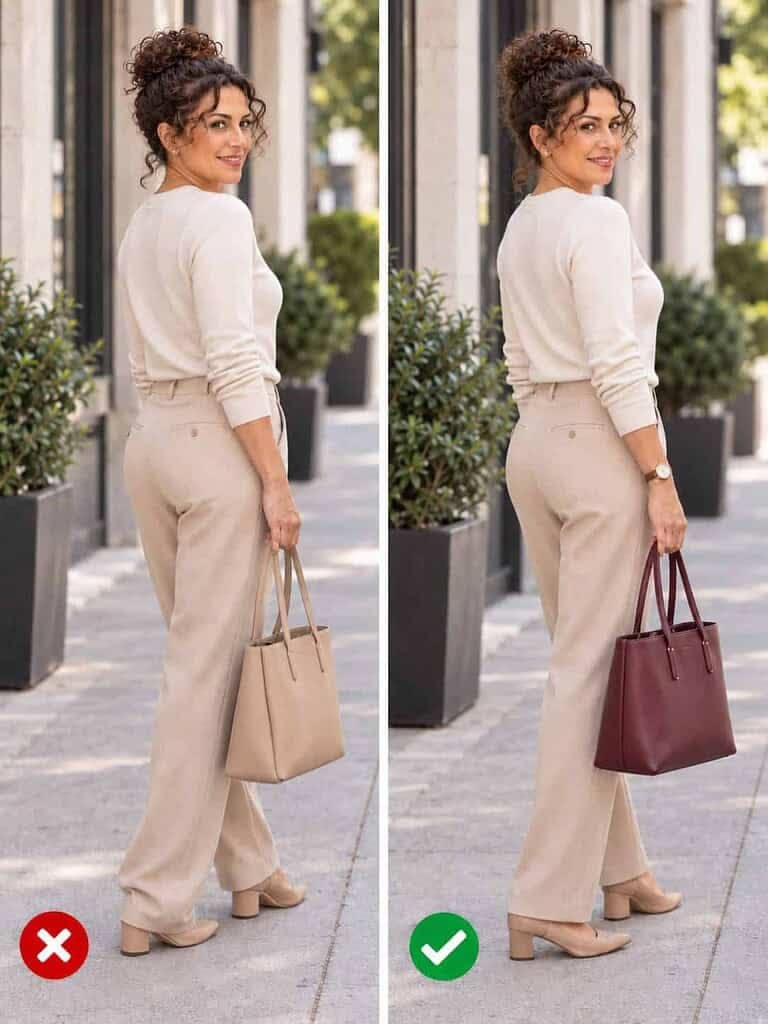
How to fix it: Think about the occasion and overall style. A structured bag can work beautifully with office outfits, a crossbody bag is useful for everyday wear, and a simple tote can be practical for casual days.
You don’t need a different handbag for every outfit. A few versatile choices can cover most situations.
13. Wearing Too Many Different Statement Pieces at Once
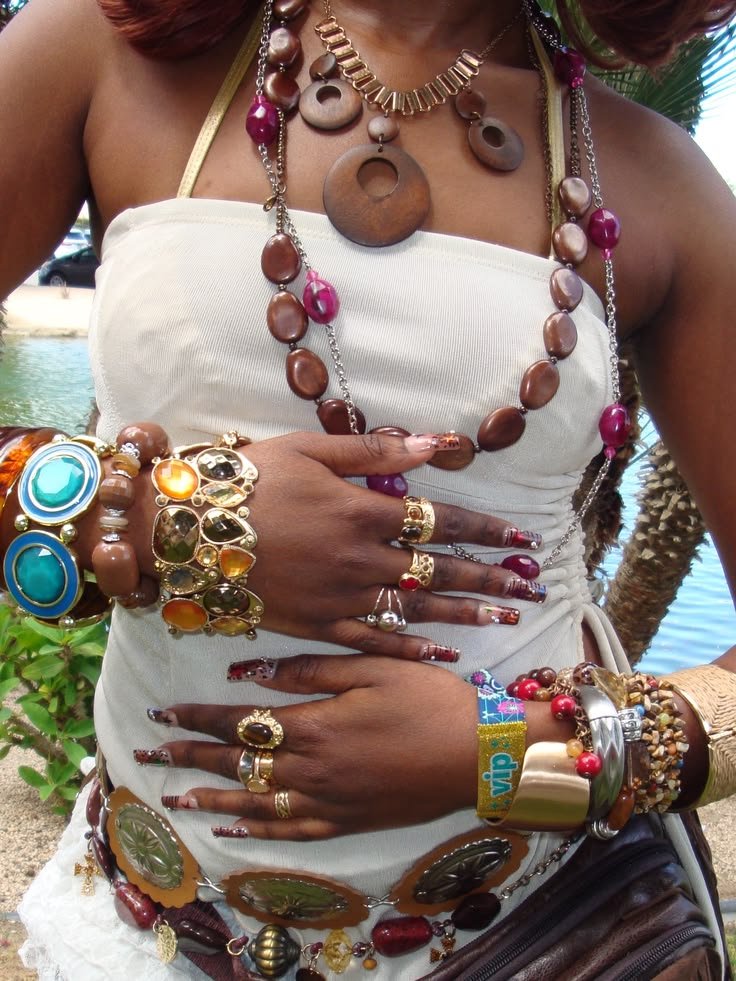
A bold printed jacket, bright trousers, oversized earrings, colorful shoes, and a dramatic handbag can all be lovely individually.
Together? They may create a lot of visual activity.
This is where the idea of a focal point becomes useful. An outfit often feels more balanced when one element attracts attention and the rest supports it.
How to fix it: Choose what you want people to notice first. It might be a printed dress, an interesting jacket, statement shoes, or a colorful accessory.
Then keep the other pieces relatively simple. This doesn’t mean your outfit has to be boring. It simply gives the eye somewhere to rest.
14. Dressing for a Special Occasion Without Considering Comfort
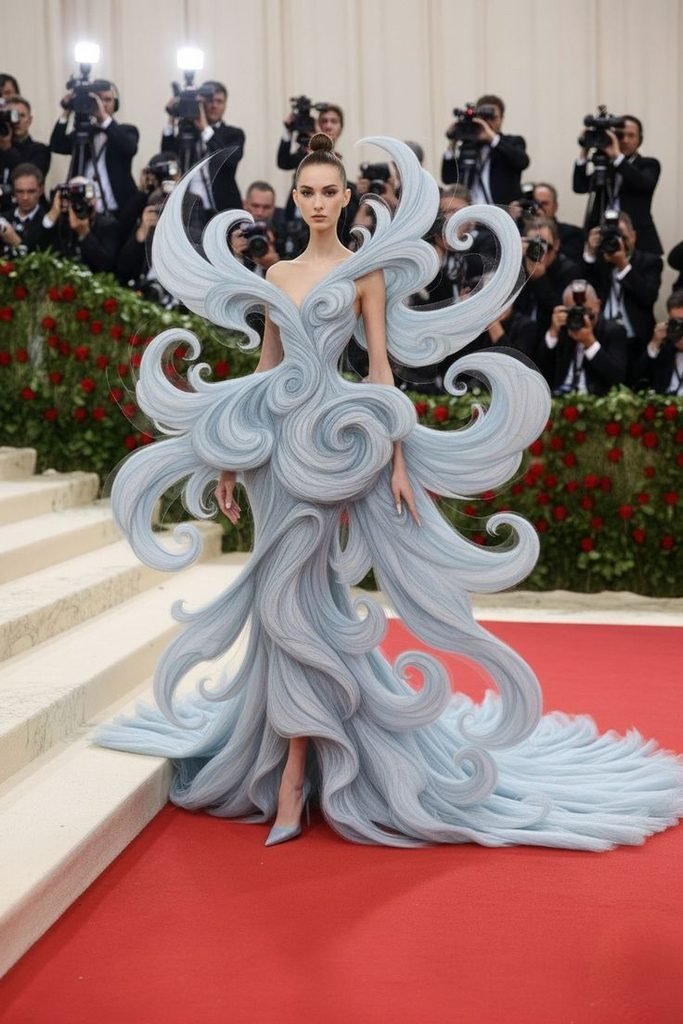
Looking stylish is lovely, but spending an entire evening wishing you could take off your shoes is not.
A dress that keeps slipping, trousers that make sitting uncomfortable, or shoes that hurt after ten minutes can turn an enjoyable event into a personal endurance challenge.
Fashion should make you feel good, not leave you counting the minutes until you can change into pajamas.
How to fix it: Try the complete outfit before the event. Walk around, sit down, and check whether you can comfortably move. If you’re wearing new shoes, break them in beforehand and consider carrying comfortable flats if appropriate.
You can absolutely look dressed up without being uncomfortable.
15. Forgetting That Confidence Is Part of Personal Style
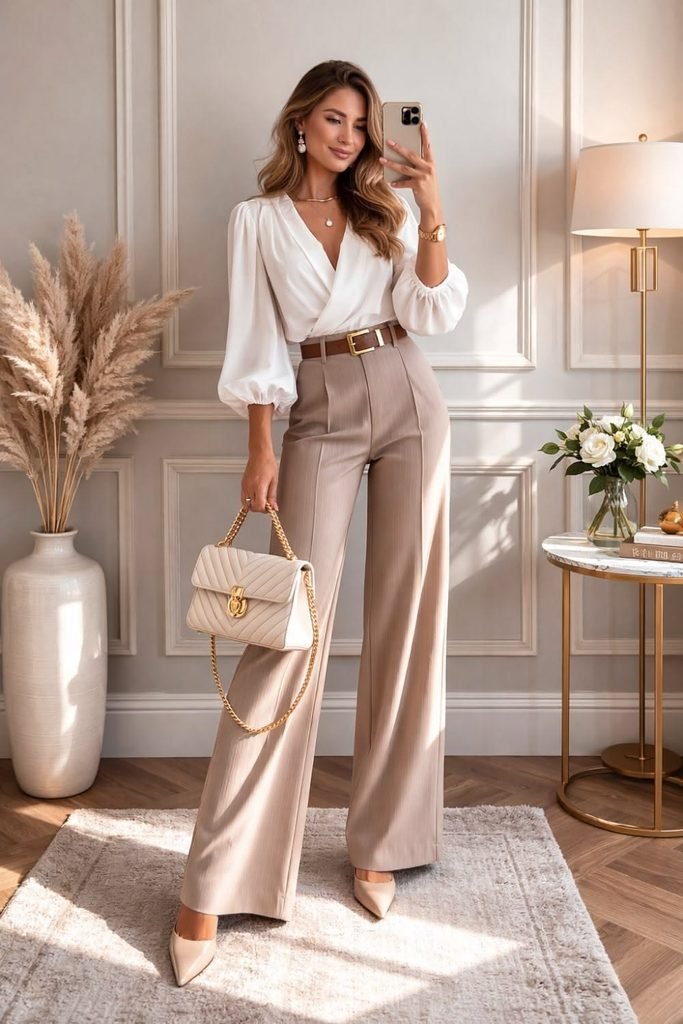
This might sound like a motivational quote from a fashion magazine, but it is genuinely worth remembering.
Sometimes people avoid wearing clothes they love because they think a particular trend is only for a certain age, body shape, height, or lifestyle.
But personal style doesn’t work like a strict school uniform. There isn’t one universal list of clothes that everyone must wear.
Celebrities such as Rihanna and Blake Lively are often admired for their willingness to experiment with different silhouettes, colors, and styling choices. Their outfits can be fun sources of inspiration, but the real lesson is that personal style can evolve.
How to fix it: Wear things that make you feel comfortable and confident. Experiment with new styles if you want to, but don’t let fashion rules convince you that you cannot enjoy something you genuinely like.
The best outfit is one that feels like you.
A Few Simple Styling Tricks That Can Make Any Outfit Look More Polished
You don’t need to replace your wardrobe to improve your everyday style. Sometimes, a few small changes can make a bigger difference than buying another bag or pair of shoes.
Here are some easy habits worth trying:
- Steam your clothes: Smooth fabric can instantly make an outfit look more finished.
- Check your outfit in natural light: Colors and fabric details can look different indoors.
- Pay attention to fit: Small alterations can make ordinary clothes look more tailored.
- Use a simple color palette: Start with two or three main colors and add an accent if you like.
- Keep shoes clean: Scuffed or dusty footwear can distract from an otherwise lovely outfit.
- Try different combinations: Before shopping, experiment with pieces you already own.
- Dress for the occasion: Consider the setting, weather, and activities planned for the day.
- Choose comfort: Clothes that allow you to move naturally will usually make you feel more confident.
How to Build a Stylish Wardrobe Without Spending a Fortune
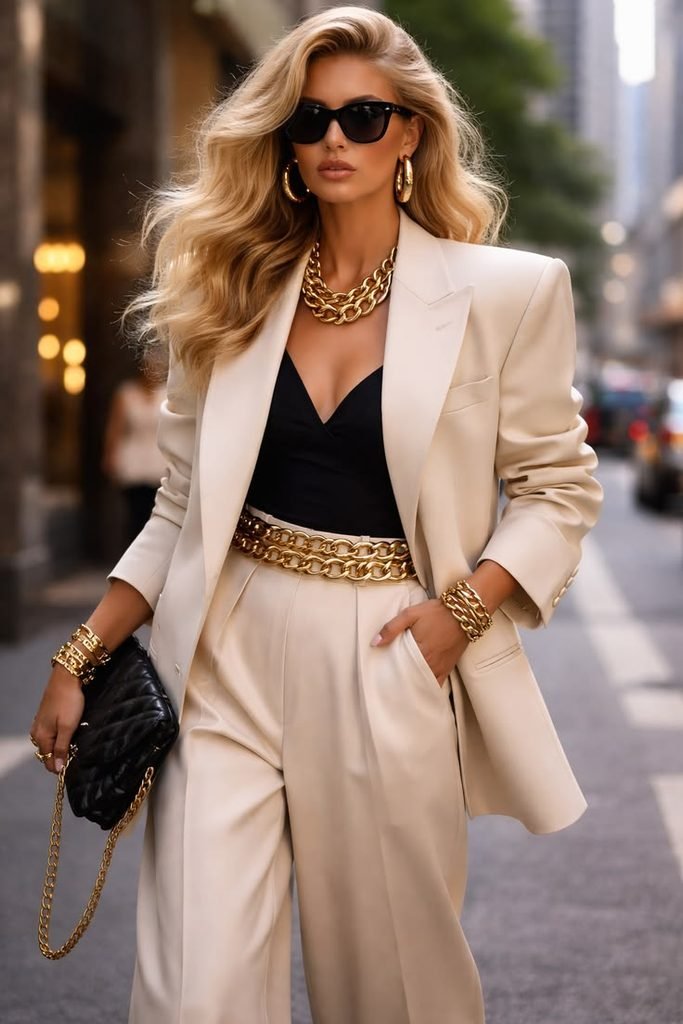
A stylish wardrobe isn’t necessarily a huge wardrobe. In fact, having fewer clothes that work well together can make getting dressed much easier.
Start by identifying the pieces you wear most often. Maybe you love straight-leg jeans, simple tops, comfortable trousers, or classic shirts. These are clues about your personal style.
Then look for gaps. If you have plenty of tops but nothing that works with them, another top probably isn’t what you need. A versatile jacket, comfortable shoes, or a well-fitting pair of trousers might be a better purchase.
It also helps to think about cost per wear. A reasonably priced jacket you wear every week may be a more useful purchase than an expensive occasion dress that stays in your wardrobe for months.
And please, don’t buy something just because it is on sale. Saving money on something you never wear is still spending money.
Frequently Asked Questions
What is the biggest fashion mistake people make?
One of the most common mistakes is choosing clothes without considering fit and proportions. Even beautiful pieces can feel less polished when they don’t work together or aren’t comfortable to wear.
How can I look more stylish without buying new clothes?
Start by experimenting with combinations you already own. Try different ways of tucking in shirts, rolling sleeves, adding a belt, changing shoes, or simplifying accessories. Taking better care of your clothes can also make a big difference.
Does wearing oversized clothing look unfashionable?
Not at all. Oversized clothing can look stylish and intentional. The key is considering the overall proportions and choosing pieces that create the silhouette you want.
Should shoes and handbags always match?
No. Matching shoes and handbags can create a coordinated look, but they don’t have to be identical. Complementary colors and contrasting textures can look equally stylish.
How many accessories should I wear with an outfit?
There is no fixed number. It depends on the outfit and the accessories themselves. If several pieces are competing for attention, simplifying one or two elements may help create a more balanced look.
Are expensive clothes always more stylish?
Definitely not. Price alone doesn’t determine style. Fit, fabric, condition, and how you combine different pieces often matter much more than the brand name on the label.
Final Thoughts: Fashion Should Be Fun, Not Stressful
Fashion is supposed to be a way to express yourself, not another reason to stand in front of your wardrobe feeling frustrated.
You don’t need to follow every trend, own expensive labels, or dress exactly like your favorite celebrity. A few thoughtful styling choices, clothes that fit comfortably, and a little creativity can go a long way.
So before you decide that you need an entirely new wardrobe, take another look at the clothes you already own. Maybe your favorite outfit doesn’t need replacing. Maybe it just needs a better-fitting pair of trousers, cleaner shoes, or one less accessory.
And if you love the outfit exactly as it is? Wear it. Fashion rules are suggestions, not homework.
Fashion Disclaimer
This article is intended for general fashion inspiration and educational purposes. Personal style is subjective, and there is no single correct way to dress. Choose clothing and styling ideas that suit your comfort, preferences, lifestyle, and individual needs.