
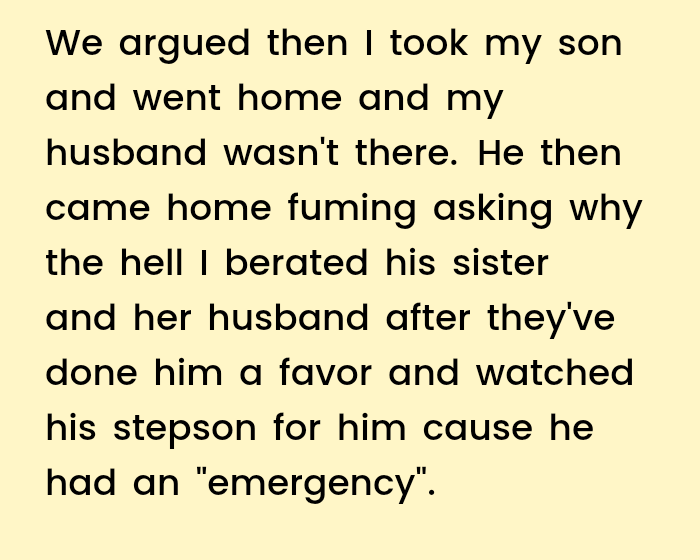
After losing her best friend, a grieving mother leaves her 4-year-old son in her husband’s care so she can attend the funeral. Without telling her, her husband drops the child off at his sister’s house instead.
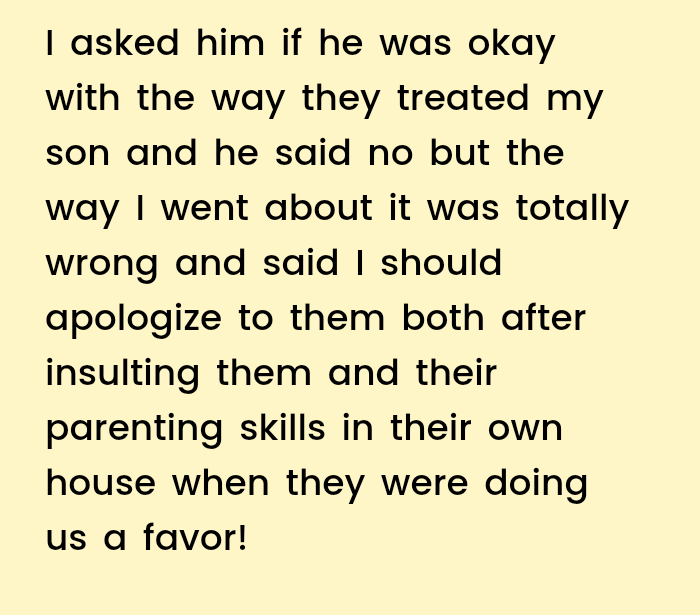
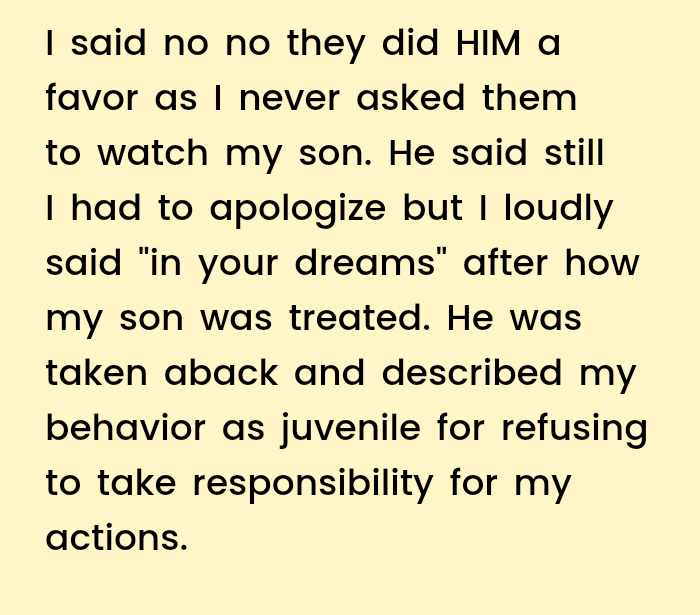
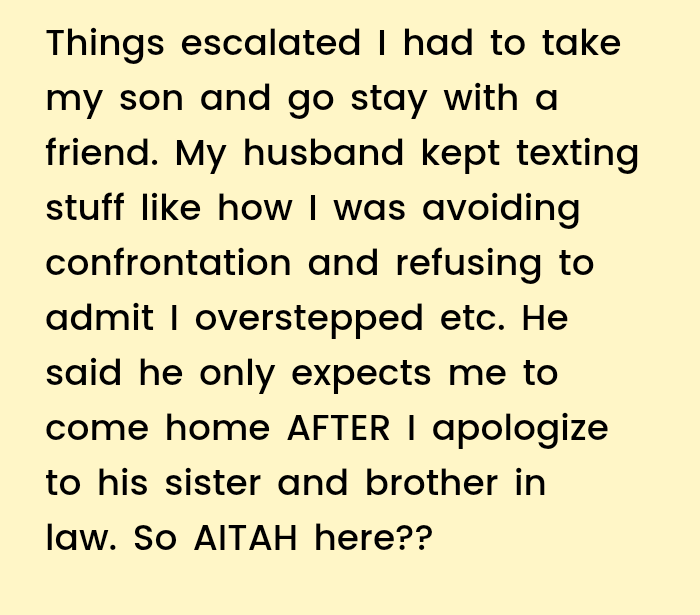
Furious over how her son was treated, she confronts her sister-in-law and brother-in-law, only to later face pressure from her husband, who insists she should apologize for how she reacted.
Refusing to back down, she chooses to leave with her son rather than apologize for defending him.
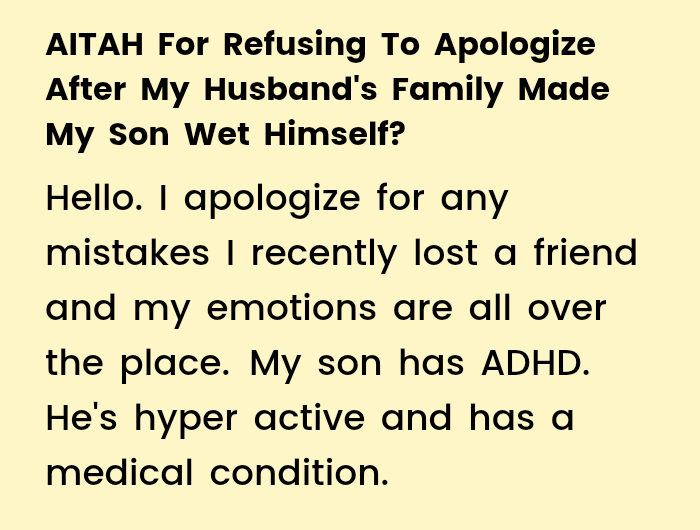
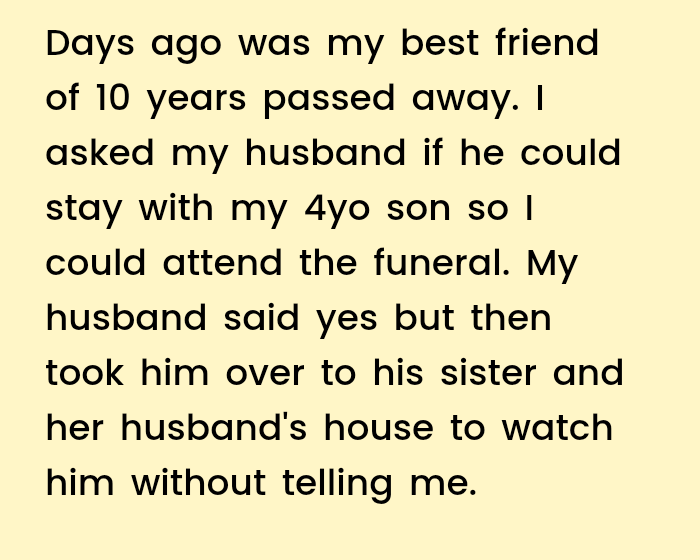
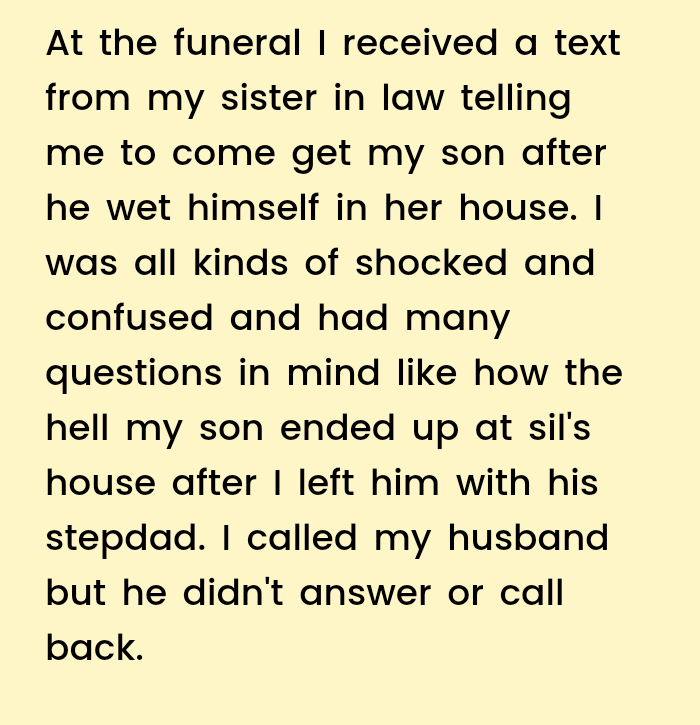
Children don’t stop having basic needs because they’re in trouble.
Needing the bathroom isn’t a reward that should be earned.
It’s a basic human need. When a child says they need to go, especially more than once, adults have a responsibility to listen.
Analysis: What This Situation Really Reveals
This story isn’t just about a child having an accident.
It’s about whether adults choose compassion over control.
Children don’t stop having basic needs because they’re in trouble. Needing the bathroom isn’t a reward that should be earned. It’s a basic human need. When a child says they need to go, especially more than once, adults have a responsibility to listen.
Now add ADHD and a medical condition into the picture.
Many children with ADHD struggle with impulse control, emotional regulation, and transitions. Some also have difficulty recognizing or responding to their body’s signals until the need becomes urgent. That doesn’t mean they’re being manipulative or intentionally disruptive. It means they may need more patience, clearer guidance, and adults who understand how their brains work.
Every child is different, but one thing remains true.
Discipline should teach.
It should never humiliate.
Understanding ADHD A Little Better
ADHD isn’t simply about being “hyper.”
It’s a neurodevelopmental condition that affects attention, self-control, emotional regulation, and sometimes even everyday routines. Children with ADHD often hear they’re “too much,” “too loud,” or “too difficult,” when in reality they’re trying to navigate the world with a brain that processes things differently.
That doesn’t mean there should be no rules.
Children with ADHD absolutely benefit from structure, routines, and consistent expectations. The difference is that effective discipline focuses on coaching rather than punishing.
Instead of asking, “How do I stop this behavior?”
A more helpful question is, “What is this child trying to communicate, and how can I help them succeed?”
That small shift in thinking can completely change the outcome.
The Bigger Impact On Society
Stories like this remind us how much awareness about ADHD still needs to grow.
Many families continue to hear outdated ideas that children simply need stricter discipline or that they’ll “grow out of it.” Those misunderstandings can lead to unnecessary shame, conflict, and emotional harm.
The same applies to parenting in general.
Children remember how adults made them feel far longer than they remember why they were being disciplined.
A child who feels heard learns trust.
A child who feels humiliated may learn fear instead.
This story also highlights another important lesson.
Defending your child doesn’t automatically make you disrespectful.
Parents have a responsibility to speak up when they believe their child’s physical or emotional well-being has been compromised. That conversation can certainly be calm and respectful, but protecting a child should never be viewed as something that requires an apology.
What Can We Learn From This?
If you’re caring for someone else’s child, ask questions before assuming.
Does the child have medical needs?
Do they have ADHD or another condition?
Are there routines or strategies their parents normally use?
Those few questions can prevent misunderstandings and create a much safer environment for the child.
If you’re parenting a child with ADHD, know that advocating for them isn’t overreacting. You know your child better than anyone else. Explaining their needs isn’t making excuses. It’s giving others the information they need to care for them appropriately.
A Better Way Forward
Children thrive when the adults in their lives work together instead of against each other.
That means communicating before making childcare decisions, respecting a parent’s instructions, and remembering that discipline should always protect a child’s dignity.
It’s also worth remembering that apologies have a purpose.
A sincere apology is meaningful when we’ve genuinely done something wrong. But apologizing simply to keep the peace, especially when you’re standing up for your child’s health or well-being, can send the message that protecting them was somehow the mistake.
Sometimes the most loving thing a parent can do is calmly say, “No. My child’s needs come first.”
Every child deserves adults who make them feel safe, heard, and understood.
And every parent deserves the confidence to advocate for that without feeling guilty.
NTA! Husband and SIL are! What was his emergency that he couldn’t answer when YOU called but could when his sister did? Sounds fishy to me. Take care of your son! I’d be furious as well at how he was treated!!!!!