
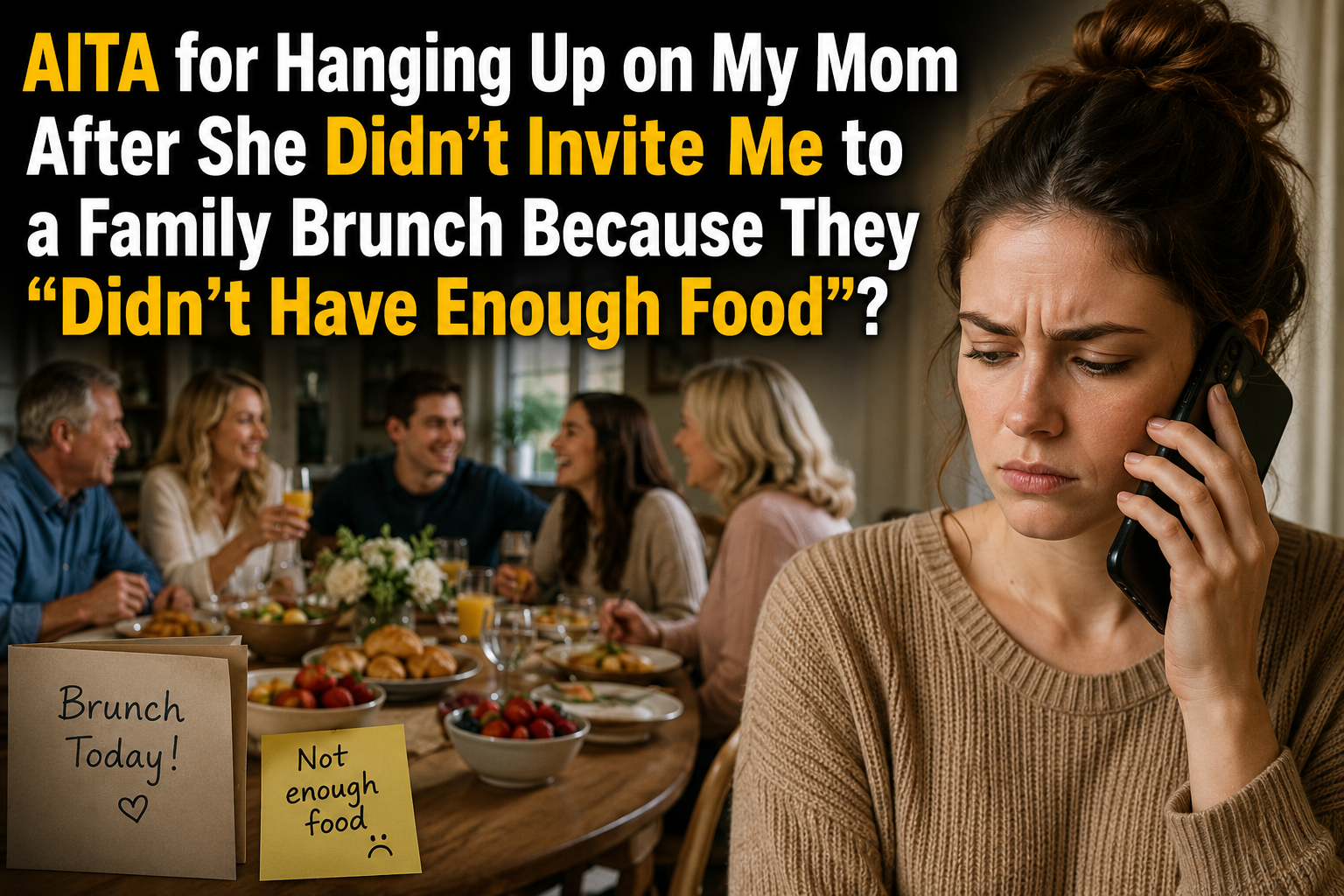
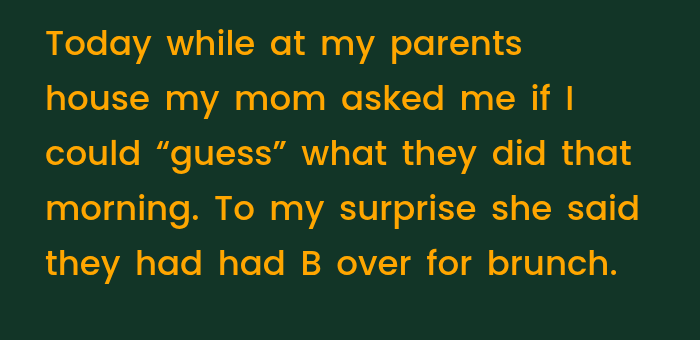
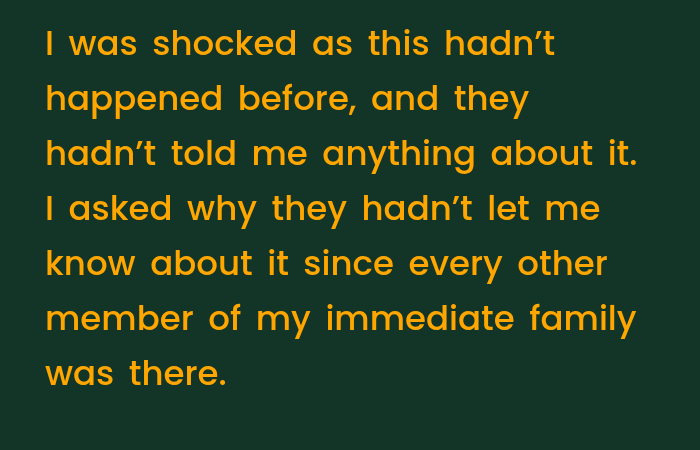
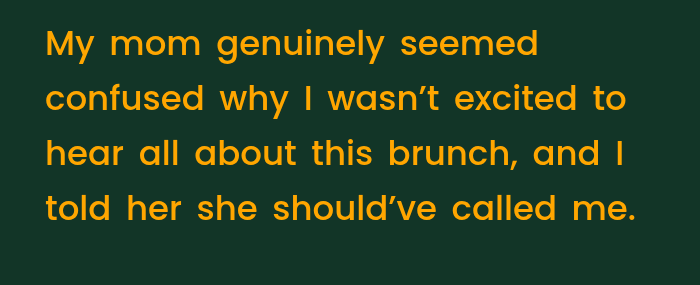
A young woman is left feeling deeply hurt after discovering that her entire immediate family gathered for a brunch at her parents’ home without inviting her or her partner.
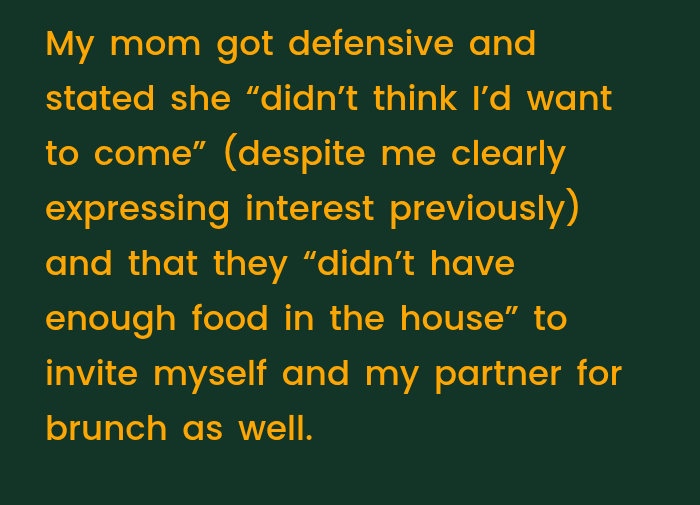
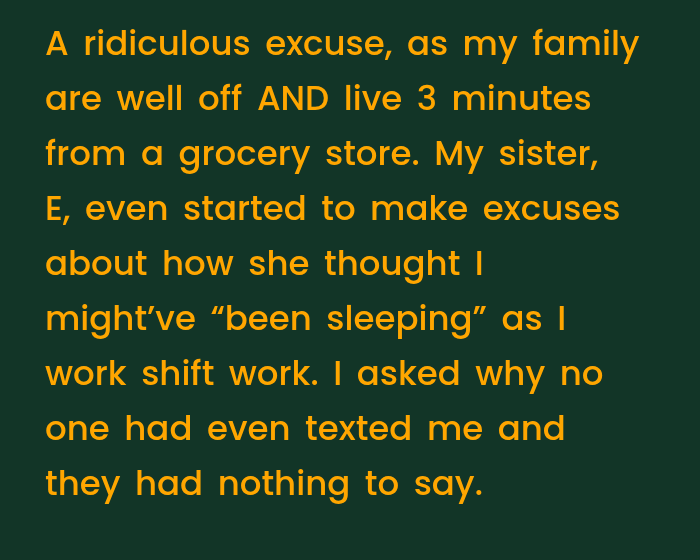
When she confronts them, her mother claims there “wasn’t enough food,” despite living just minutes from a grocery store.
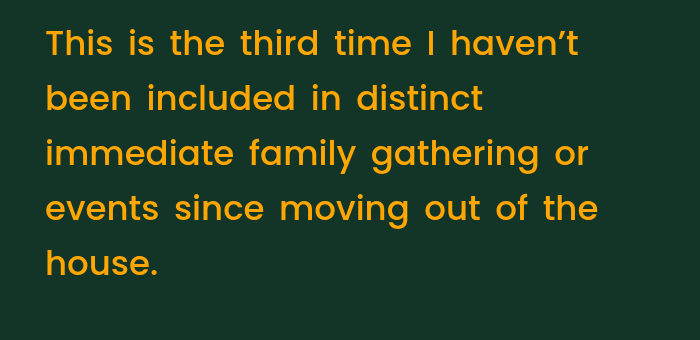
Already feeling excluded from several family events since moving out, she reaches a breaking point and hangs up on her mother after her feelings are dismissed, leaving her wondering if she’s overreacting or simply asking to be treated like part of the family.

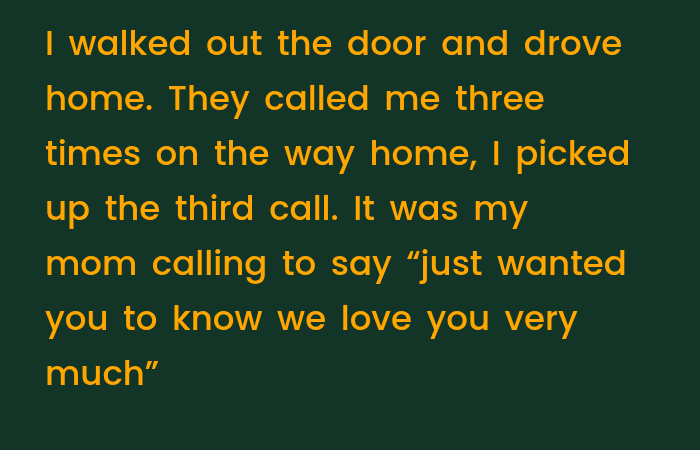
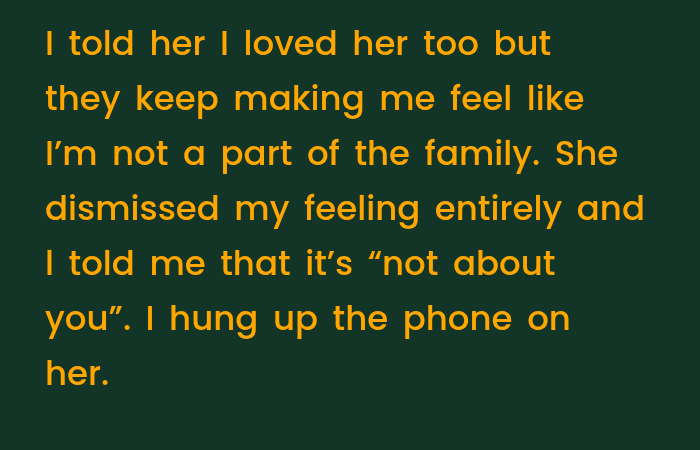


At first glance, this story may seem like it’s about a family brunch, but it goes much deeper than that.
What truly hurts isn’t missing one meal—it’s the feeling of being left out by the people who are supposed to make you feel like you belong.
Family gatherings represent connection, love, and inclusion. When everyone else is invited except one person, it’s natural for that person to question whether they still have a place within the family.
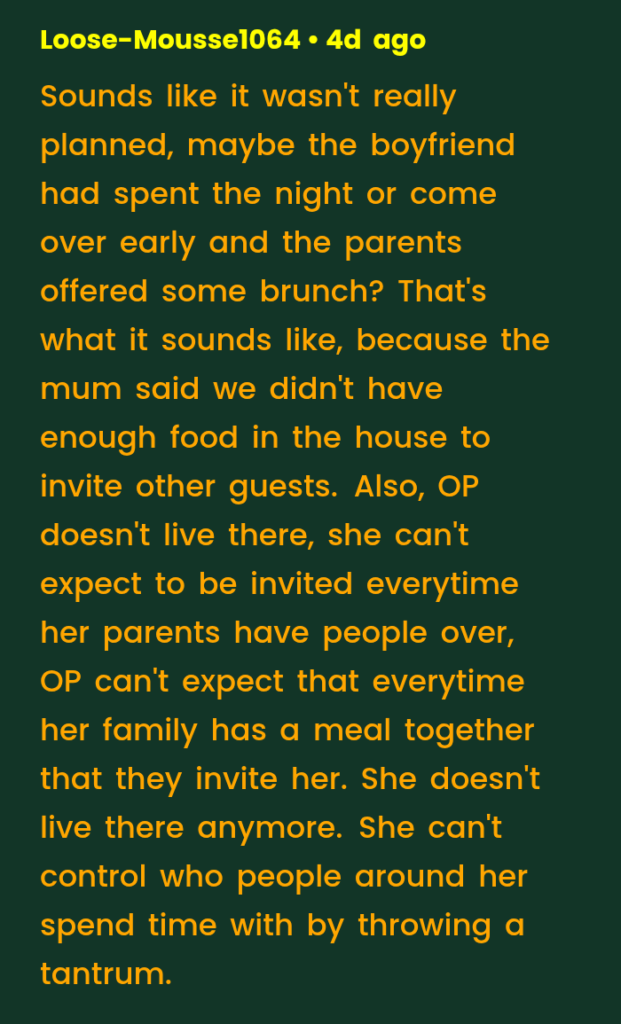
Check The Comment Section Below



Analysis
Feeling Left Out Hurts More Than Most People Realize
For many people, exclusion hurts far more than open conflict. Arguments eventually end, but repeatedly being overlooked can quietly chip away at someone’s sense of belonging and self-worth.
The Brunch Wasn’t Really the Problem
The biggest misunderstanding in this situation is believing that the disagreement is about food.
It isn’t.
The issue is that everyone in the immediate family was invited except one daughter. The explanation that there “wasn’t enough food” naturally feels difficult to accept because practical problems like that are usually easy to solve. A quick trip to the grocery store or even a simple phone call asking someone to bring something would have prevented the entire situation.
When explanations don’t seem believable, people often begin questioning whether there is a deeper reason behind their exclusion.
That’s what makes this story so emotionally painful.
Moving Out Shouldn’t Mean Losing Your Place in the Family
One statement in particular stands out:
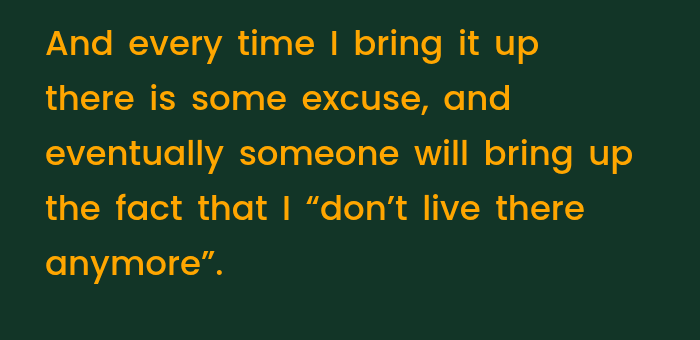
“You don’t live here anymore.”
While technically true, moving out of a childhood home shouldn’t mean losing your place within your own family. Growing up and becoming independent is a natural part of life, but healthy family relationships usually evolve rather than disappear.
Adult children still want to feel welcomed.
They still want invitations.
They still want to know they’re thought of.
Being invited doesn’t obligate someone to attend, but not being invited at all can leave them feeling forgotten.
Patterns Matter More Than One Event
If this had been the first time something like this happened, it might have been easier to dismiss as an honest mistake.
But according to the story, this was the third occasion where the writer felt excluded from immediate family activities.
Patterns change everything.
Repeated experiences create emotional expectations. Eventually, each new incident becomes a reminder of the previous ones, making the hurt feel much larger than any single event on its own.
When someone says, “This keeps happening,” it’s important to listen rather than immediately defending the latest incident.
Why Dismissing Feelings Often Makes Things Worse
One of the most painful parts of the story isn’t even the brunch itself.
It’s what happened afterward.
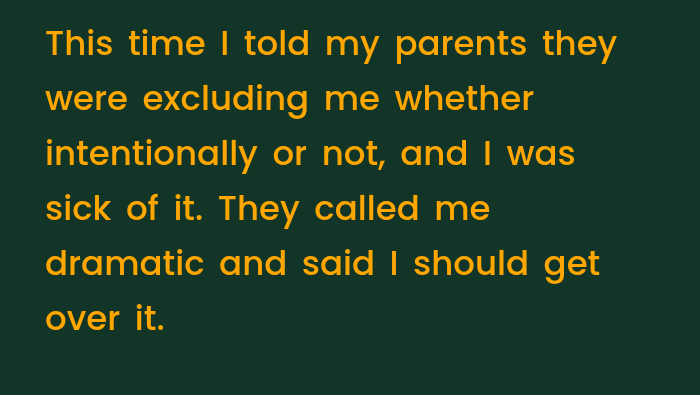
Instead of acknowledging why their daughter felt hurt, the family immediately focused on explaining why she shouldn’t feel that way.
Phrases like:
- “You’re being dramatic.”
- “It’s not about you.”
- “Get over it.”
rarely make emotional pain disappear.
Instead, they often make people feel unheard.
Healthy communication doesn’t require agreeing with someone’s feelings.
It simply requires recognizing that those feelings are real.
Sometimes saying, “I understand why that hurt you,” is far more healing than offering ten explanations.
Families Don’t Always Intend to Exclude Someone
It’s also important to acknowledge another possibility.
Not every act of exclusion is intentional.
Sometimes families slowly change routines without realizing how those changes affect everyone involved.
Parents may assume their adult children are busy.
Siblings may make plans casually.
One invitation gets forgotten.
Then another.
Eventually, what began as oversight starts feeling like rejection.
Intent matters.
But so does impact.
Even unintentional exclusion can create lasting emotional wounds if it happens repeatedly.
Adult Relationships With Parents Can Be Complicated
As children become adults, parent-child relationships naturally change.
Parents often try to respect their children’s independence, while adult children still hope to remain emotionally connected.
Finding that balance isn’t always easy.
The healthiest families make intentional efforts to stay connected through invitations, phone calls, celebrations, and shared traditions.
Growing older shouldn’t mean growing apart.
Strong families understand that inclusion requires effort from everyone.
Communication Is Better Than Silent Resentment
One positive aspect of this story is that the writer actually expressed how she felt.
Many people silently carry these emotions for years until resentment becomes overwhelming.
Speaking honestly gives relationships an opportunity to improve.
Of course, communication only works when both sides are willing to listen.
Defensiveness often shuts conversations down before understanding can happen.
Empathy keeps them moving forward.
Everyone Wants to Feel Chosen
One of the deepest emotional needs every human being has is to feel wanted.
Whether it’s within friendships, marriages, workplaces, or families, people want reassurance that they matter.
An invitation says:
“We thought about you.”
“We wanted you here.”
“We enjoy your company.”
Being left out sends the opposite message, even when that wasn’t anyone’s intention.
That’s why seemingly small moments can carry enormous emotional weight.
Family Doesn’t End When Someone Moves Out
Many parents unintentionally assume that once a child leaves home, they naturally become less involved in everyday family life.
But adulthood doesn’t erase emotional bonds.
Most adult children still look forward to Sunday dinners, birthdays, holiday gatherings, and spontaneous visits.
Feeling welcomed by your family continues to matter regardless of age.
The strongest families actively include one another instead of assuming everyone already knows they’re welcome.
Hanging Up Doesn’t Make Someone a Bad Person
Some readers may focus on the phone call itself.
Was hanging up rude?
Perhaps.
But emotional reactions often happen after someone feels repeatedly unheard.
The writer wasn’t hanging up simply because of brunch.
She hung up because she felt dismissed after trying to explain why she was hurt.
There’s an important difference.
While ending conversations abruptly isn’t usually ideal, everyone has moments where emotions become too overwhelming to continue talking productively.
Taking space can sometimes prevent saying things that would cause even greater damage.
A Gentle Reminder About Validation
One lesson every family can learn from this story is that validation costs nothing.
People don’t always need elaborate apologies.
Sometimes they simply need someone to acknowledge their experience.
A sentence like:
“I’m sorry you felt left out. That wasn’t our intention.”
can completely change the direction of a difficult conversation.
Feeling understood often matters even more than being right.
Final Thoughts
This story reminds us that families are built on more than shared history—they’re built on making each other feel included, valued, and remembered. Small gestures like extending an invitation, checking in with one another, or simply acknowledging someone’s feelings can strengthen relationships in ways we often underestimate. While this disagreement centered around a brunch, the deeper issue was the longing to still feel like an important part of the family after moving out.
The encouraging news is that relationships like these can often be repaired when everyone is willing to communicate honestly and listen with empathy instead of defensiveness. Rebuilding trust doesn’t always require grand gestures. Sometimes it begins with recognizing someone’s hurt, taking responsibility where needed, and making a genuine effort to ensure they never feel forgotten again. Every person deserves to feel that they have a place at the table—not just during family meals, but in the hearts of the people they love.