
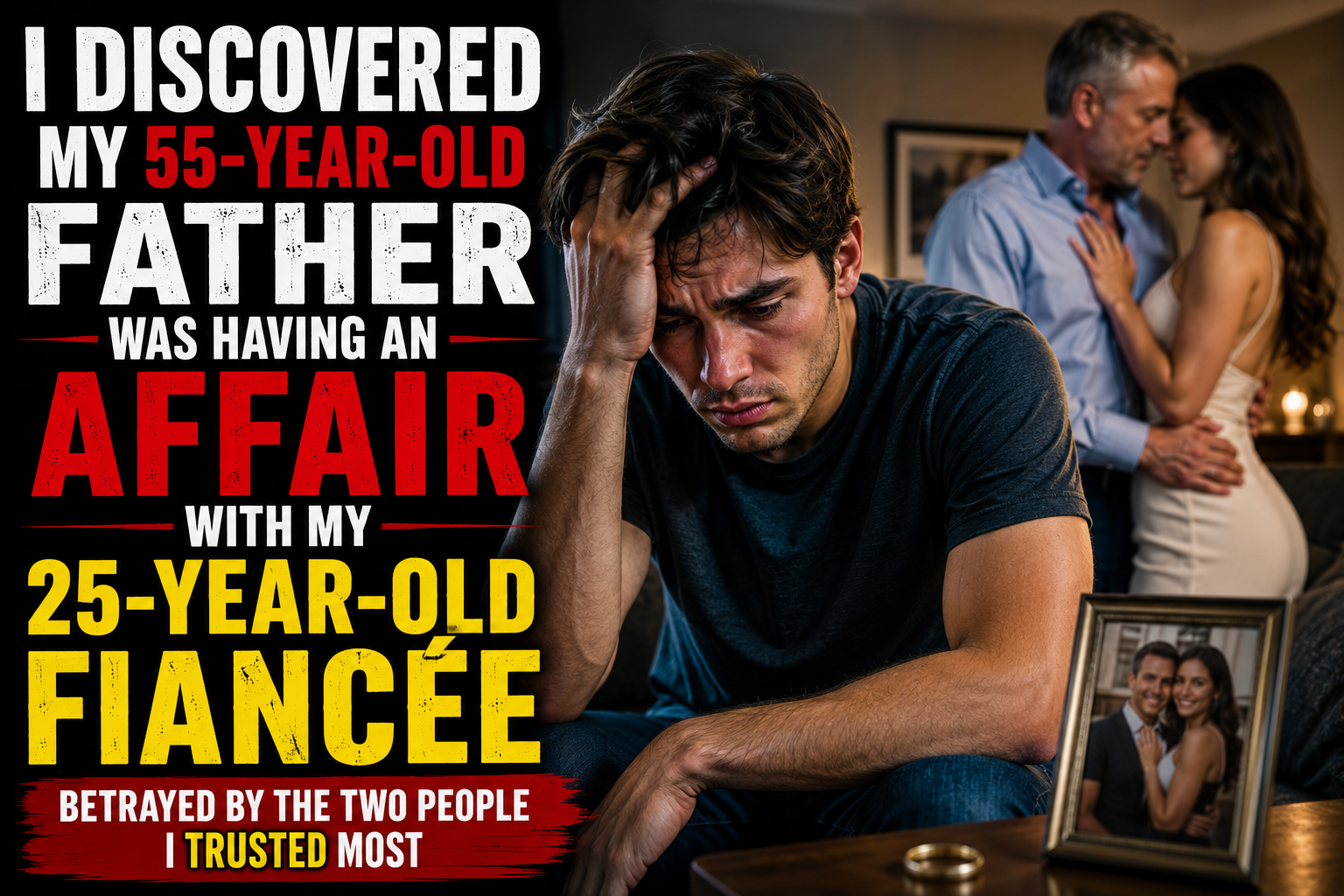
A 25-year-old man’s life is turned upside down when his father invites him and his fiancée over for dinner and reveals a shocking secret.
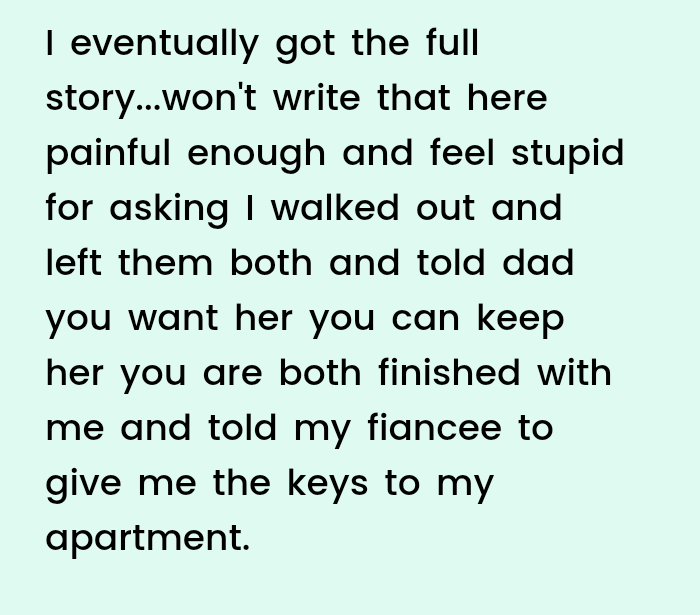
His 55-year-old father and 25-year-old fiancée confess they’ve been having a sexual affair for the past three months.
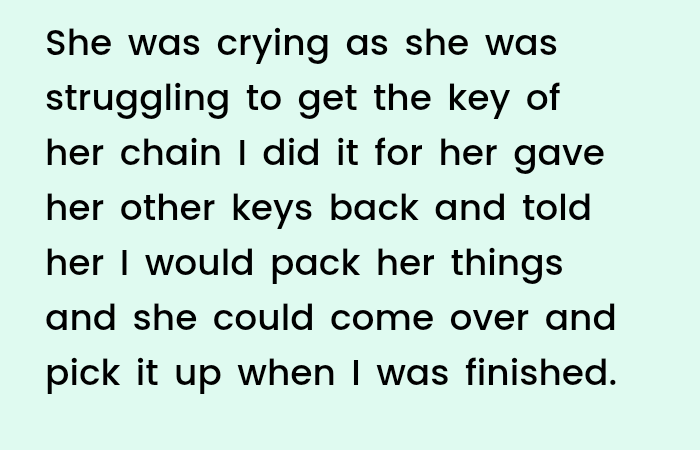
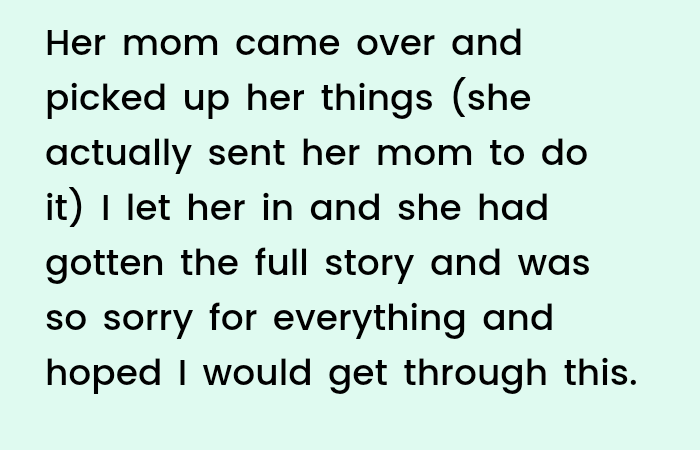
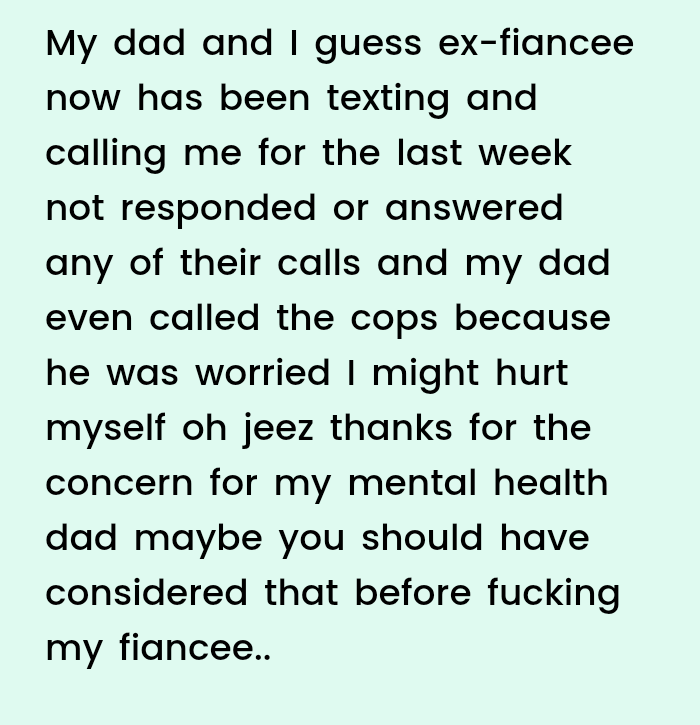
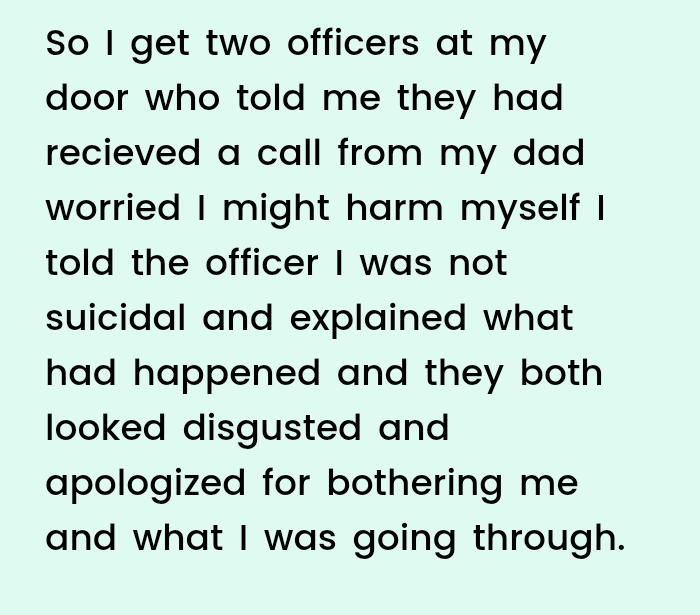
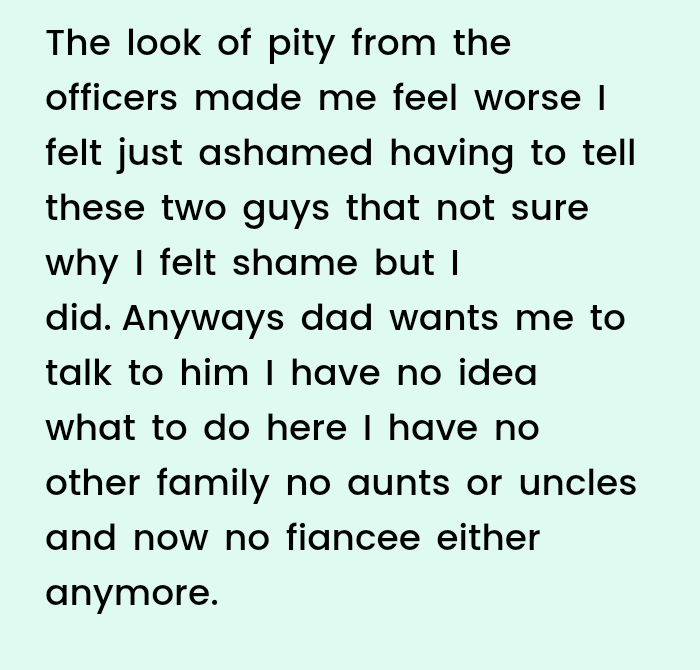
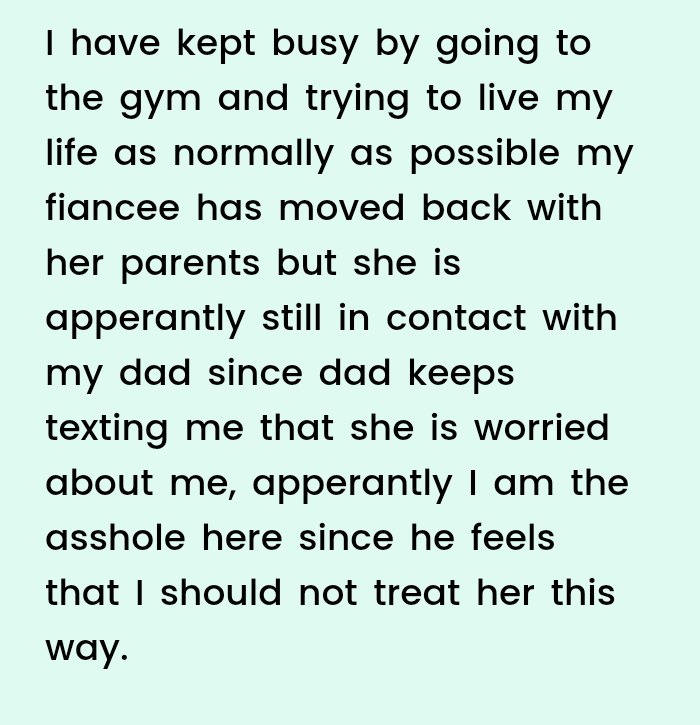
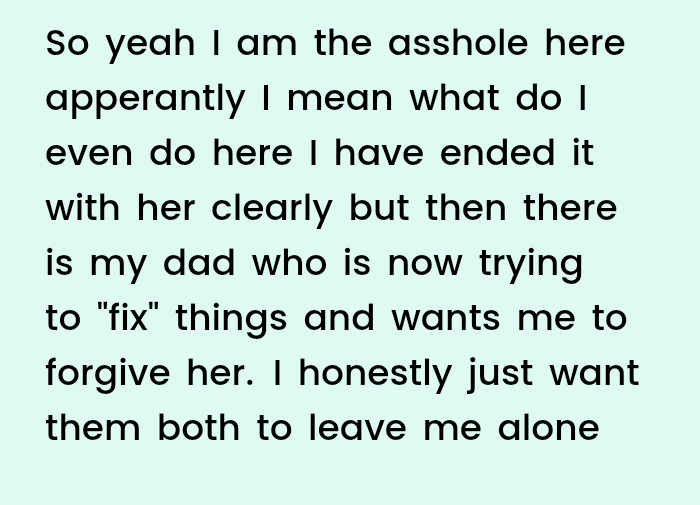
Devastated by the double betrayal, he immediately ends the engagement, asks his fiancée to move out, and cuts all ties with his father.
For families, this story is also a reminder that trust is one of the most valuable things we can give each other.
Once broken, it can take years to rebuild, and sometimes it never fully returns.
Finally, this situation shows that resilience doesn’t mean forgetting what happened.
Analysis: What This Situation Really Reveals
At first glance, this story seems like it’s about infidelity.
But if you read it carefully, it’s really about betrayal on the deepest level imaginable.
Being cheated on is devastating by itself. When the other person is your own parent, it becomes something entirely different. The two people who were supposed to be among the safest and most trusted people in your life become the very ones who cause the greatest emotional damage.
That kind of betrayal doesn’t just end a relationship. It can shake a person’s confidence, identity, and ability to trust others for years.
One thing that stands out is how the original poster handled the situation. Despite experiencing unimaginable pain, he didn’t respond with violence or revenge. He ended the engagement, cut contact with his father, focused on his own healing, started therapy, stayed active, and slowly rebuilt his life.
That isn’t weakness.
It’s emotional maturity.
Many people assume healing means pretending nothing happened or forgiving immediately. In reality, healing often begins by creating healthy distance from the people who caused the pain. Forgiveness, if it ever comes, should happen on the victim’s timeline, not because someone else demands it.
Another important lesson is accountability.
Both the father and the fiancée wanted another chance, but rebuilding trust isn’t something that happens because someone apologizes. Some actions permanently change relationships. People are free to ask for forgiveness, but no one is obligated to give it.
The Bigger Impact On Society
Stories like this remind us how fragile trust really is.
Families are built on the belief that certain boundaries will never be crossed. When those boundaries are broken, the emotional fallout reaches far beyond the people directly involved. Friends, relatives, future partners, and even entire communities can be affected.
This also highlights how betrayal often creates invisible wounds.
Most people can recognize a broken bone or a physical injury. Emotional trauma is different. Someone may look perfectly fine on the outside while privately struggling with anxiety, depression, panic attacks, or a fear of trusting anyone again.
Another issue is the pressure society places on victims to “move on” quickly.
People often say things like, “Life is too short,” or “You should forgive them.” While those words may be well intentioned, they can unintentionally dismiss the depth of someone’s pain.
Healing isn’t a race.
Everyone processes grief differently, and there is no deadline for recovering from profound betrayal.
What Can We Learn From This?
Healthy relationships are built on honesty long before they’re tested.
Trust isn’t maintained through grand gestures. It’s built through everyday choices, respect for boundaries, and loyalty when no one is watching.
This story also reminds us that walking away isn’t always giving up.
Sometimes leaving is the healthiest decision a person can make. Protecting your peace doesn’t make you cold or unforgiving. It means recognizing that your emotional well-being matters too.
Another valuable takeaway is the importance of having a support system.
The original poster leaned on friends, accepted professional help, and stayed connected to people who genuinely cared about him. Those choices likely made a tremendous difference during one of the hardest periods of his life.
A Better Way Forward
For anyone facing betrayal, the first priority should be taking care of yourself rather than trying to fix the people who hurt you.
That might mean setting firm boundaries, seeking therapy, leaning on trusted friends or family, and allowing yourself to grieve without guilt. Recovery isn’t about pretending you’re okay. It’s about gradually creating a life where the betrayal no longer controls your future.
It means refusing to let someone else’s choices define the rest of your life.
The betrayal may become part of your story, but it doesn’t have to become your identity. With time, support, and healthy boundaries, even the deepest emotional wounds can become the beginning of a stronger and more hopeful chapter.