
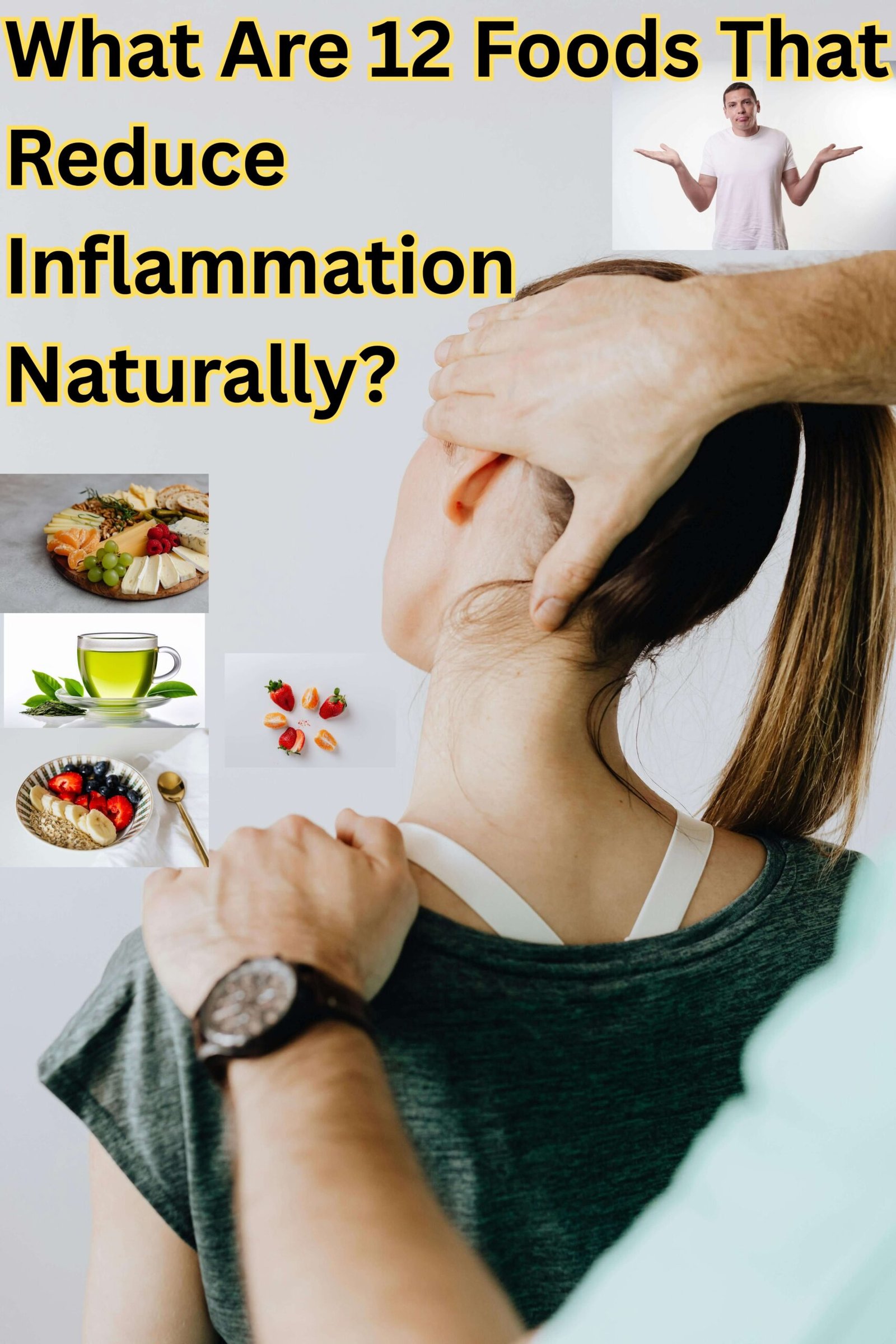
Q. What are foods that reduce inflammation naturally and fastest?
A. Foods like fatty fish, olive oil, turmeric, and berries have compounds that may help reduce inflammation naturally more quickly when included regularly in the diet.
Inflammation is your body’s immune response to injury or infection, but when it becomes chronic, it can lead to health issues like arthritis, heart disease, or metabolic disorders.

In this guide, we’ll explore 12 foods that reduce inflammation naturally, backed by science and easy to include in everyday meals. For more guidance, check out this science-backed anti-inflammatory diet from Harvard Health.
🥗 12 Best Anti‑Inflammatory Foods
1. Fatty Fish – Nature’s Omega‑3 Powerhouse
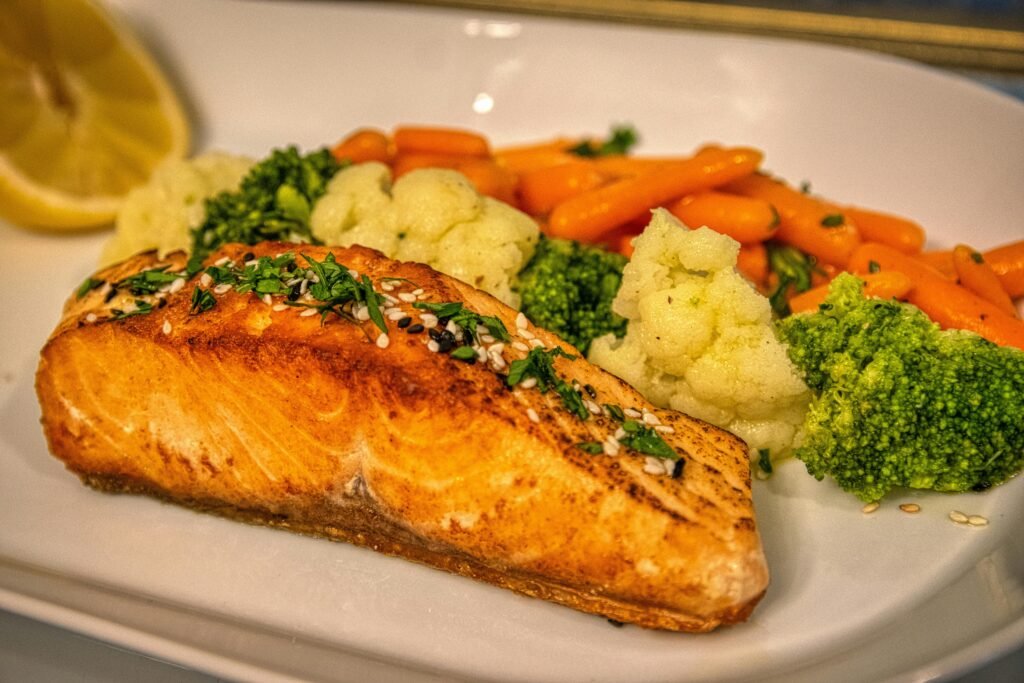
Fatty fish such as salmon, sardines, mackerel, and trout are high in omega‑3 fatty acids (EPA and DHA), which signal the body to reduce pro‑inflammatory molecules like cytokines and C‑reactive protein (CRP). Studies show that regular consumption of oily fish can lower systemic inflammation and support heart and brain health.
🧠 Pro Tip:
Aim for 2–3 servings per week.
2. Leafy Greens – Antioxidants & Fiber
Spinach, kale, collard greens, and Swiss chard are packed with vitamins (A, C, K), phytochemicals, and fiber. These nutrients support a healthy gut and help reduce oxidative stress, a key driver of inflammation. You can also explore more gut friendly foods for better digestion to improve overall gut health.
👉 Try a daily green salad or sauté greens with your meals.
3. Berries – Sweet, Colorful Inflammation Fighters
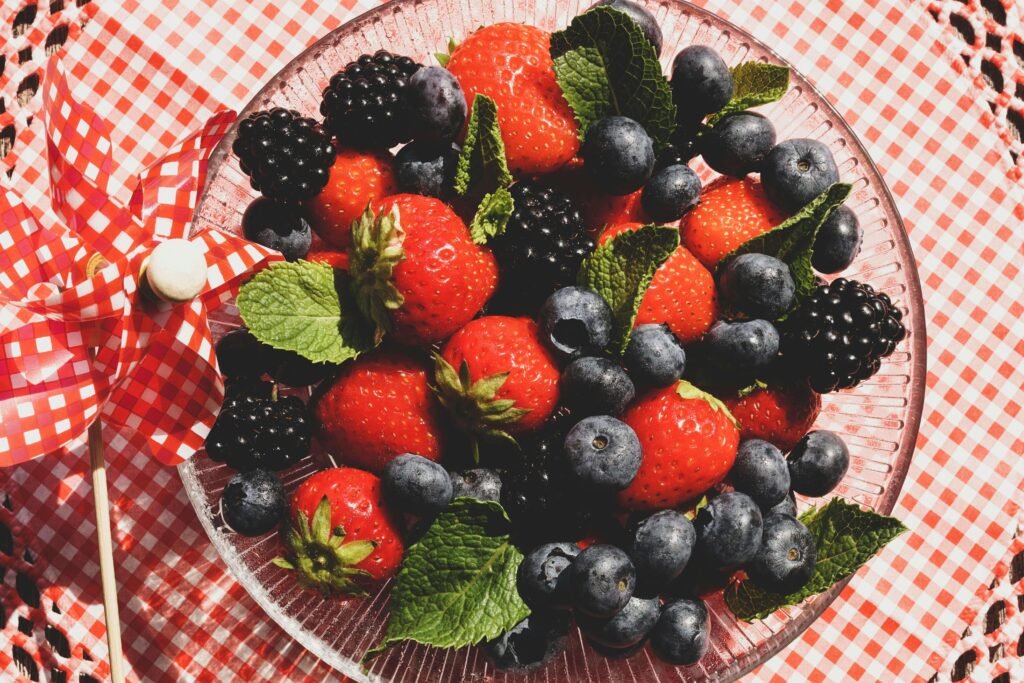
Blueberries, strawberries, raspberries, and cherries contain anthocyanins, potent antioxidants that help neutralize free radicals and reduce inflammation. Antioxidants also protect blood vessels and may contribute to lower heart disease risk.
🧠 Snack Idea:
Add berries to yogurt, oatmeal, or smoothies.
4. Nuts & Seeds – Healthy Fats to Reduce Inflammation
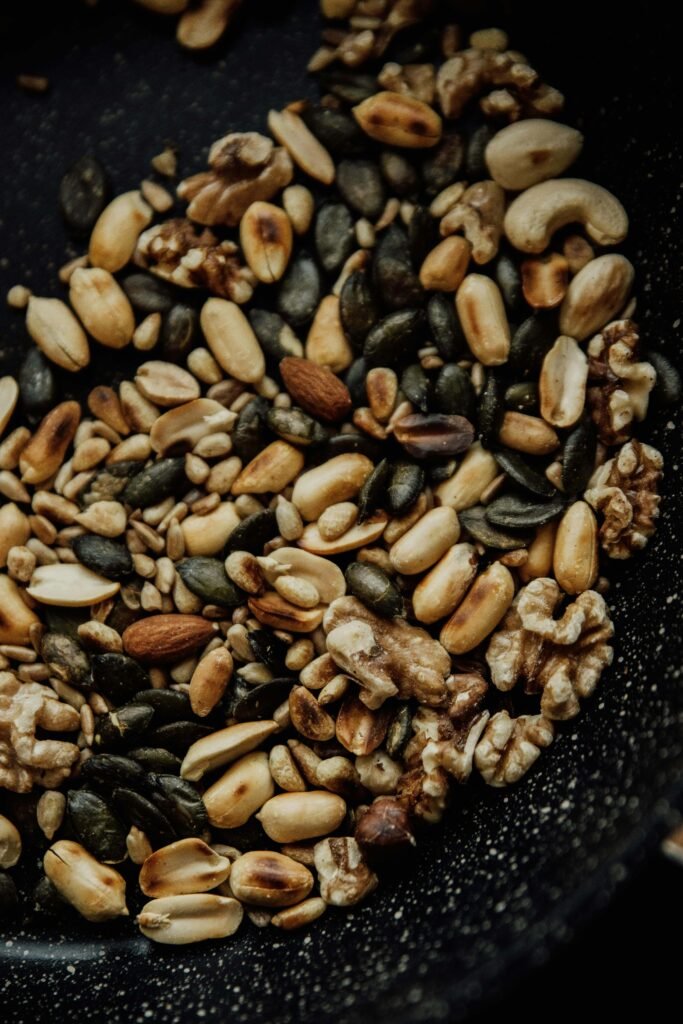
Almonds, walnuts, chia seeds, and flaxseeds provide a mix of monounsaturated fats, omega‑3s, and antioxidants that help lower inflammatory processes. Walnuts, specifically, are an excellent source of alpha‑linolenic acid (ALA), a plant‑based omega‑3.
💡 Tip:
A small handful daily is beneficial.
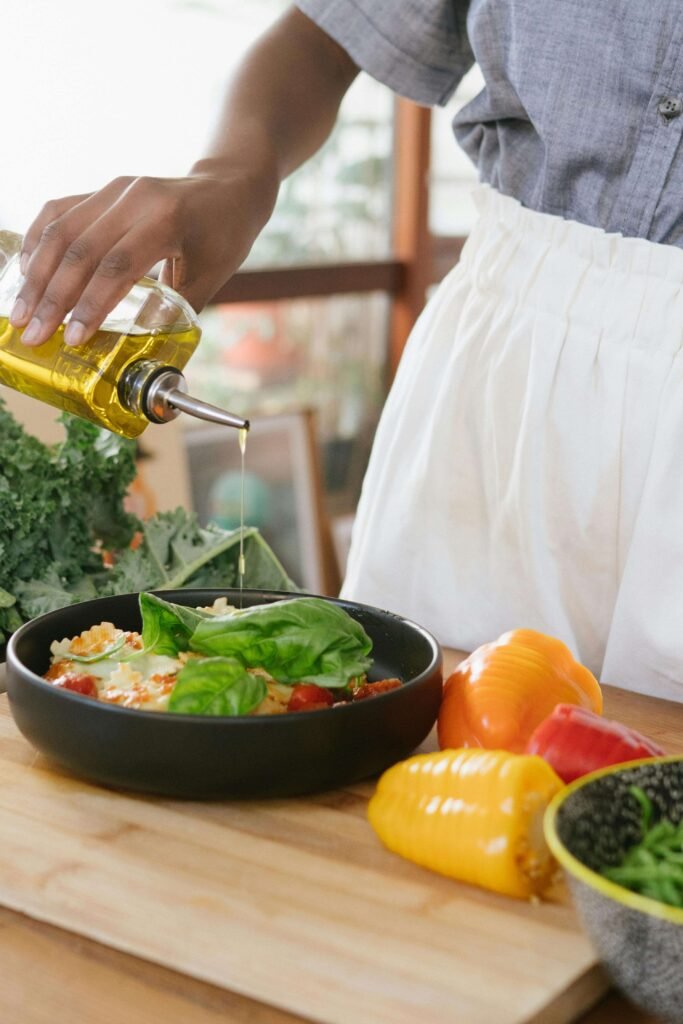
5. Extra Virgin Olive Oil – The Mediterranean Miracle
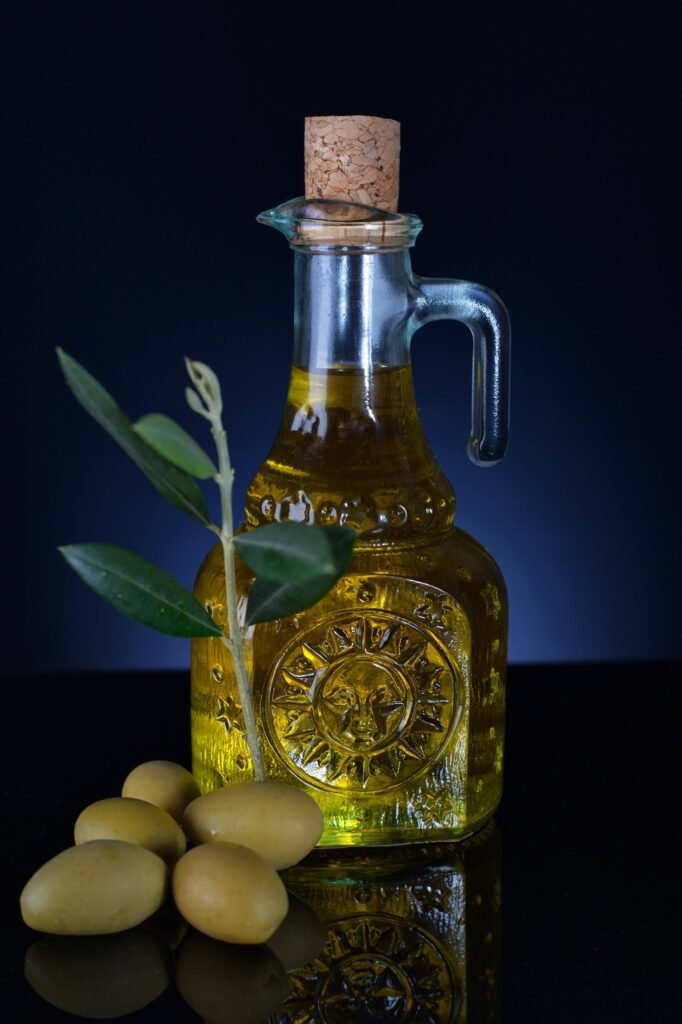
Extra virgin olive oil contains oleocanthal, a compound that works similarly to anti‑inflammatory medications at a mild level. It’s a staple of the Mediterranean diet, which has been linked to lower inflammation and heart disease risk.
👉 Use olive oil for dressings, cooking, and sautéing.
6. Whole Grains – Fiber for Gut Health
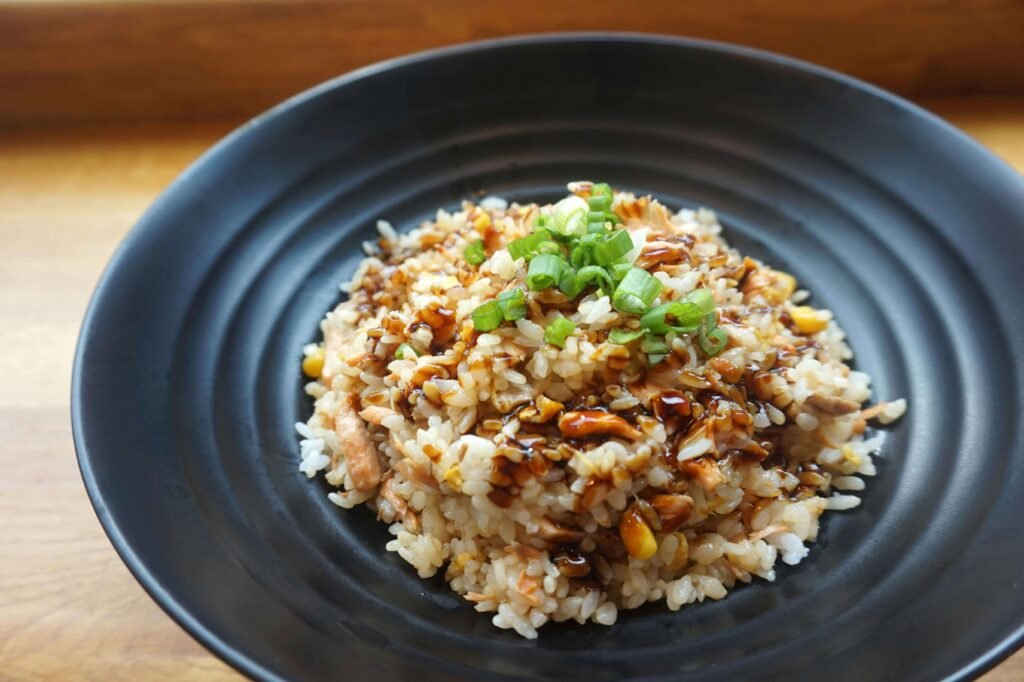
Whole grains like quinoa, brown rice, oats, and barley provide fiber that nourishes beneficial gut bacteria. A healthy gut microbiome supports immune balance and produces metabolites that reduce inflammation. Whole grains also help stabilize blood sugar and support metabolism, which can also support your goal to lose weight naturally with healthy habits.
🍽 Swap:
Replace white bread and pasta with whole‑grain alternatives.
7. Turmeric – The Golden Spice
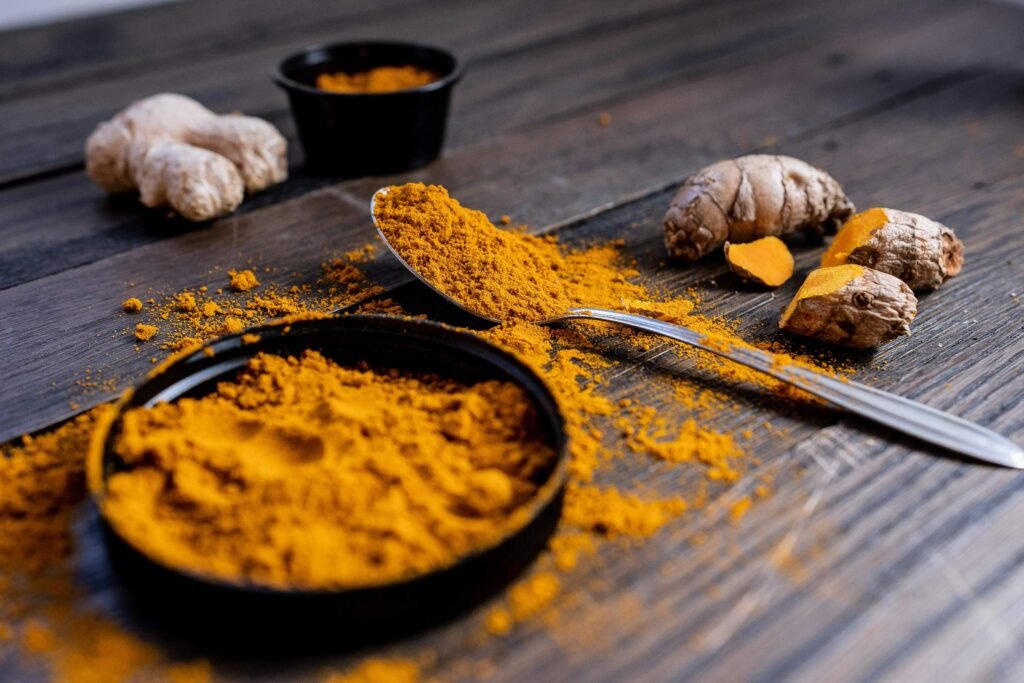
Turmeric’s active compound, curcumin, has been widely studied for its ability to block pro‑inflammatory pathways. Pairing turmeric with black pepper increases absorption dramatically.
✨ Recipe Tip:
Add turmeric to soups, curries, rice, or golden milk.
8. Ginger – Soothing Inflammation Naturally
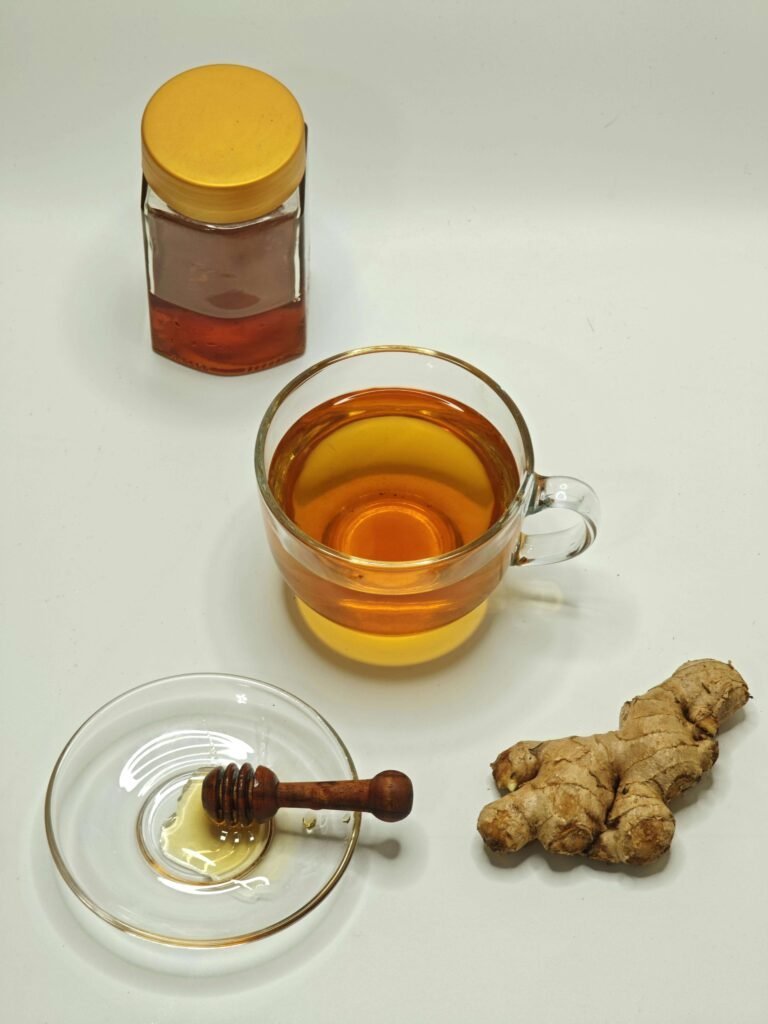
Ginger contains bioactive compounds like gingerols that have been shown to reduce inflammation and support digestion. It’s easy to add to meals or sip as tea.
9. Green Tea — Antioxidant Rich Brew
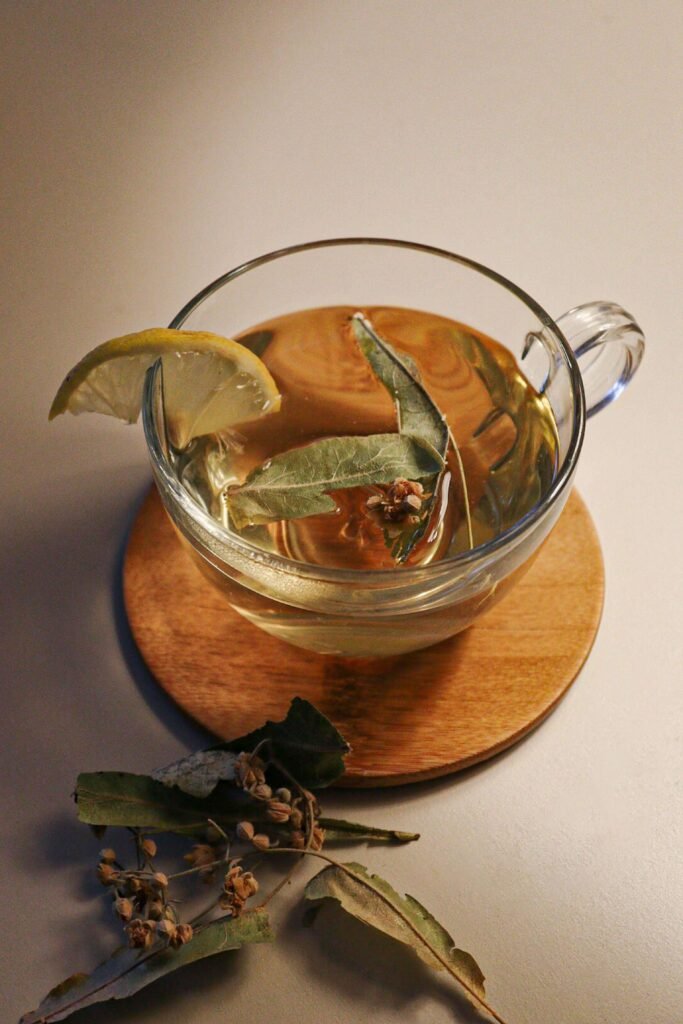
Green tea contains EGCG, a polyphenol known for anti‑inflammatory and antioxidant properties. Drinking 1–2 cups daily can support your body’s defense against chronic inflammation.
10. Beans & Legumes – Protein + Fiber
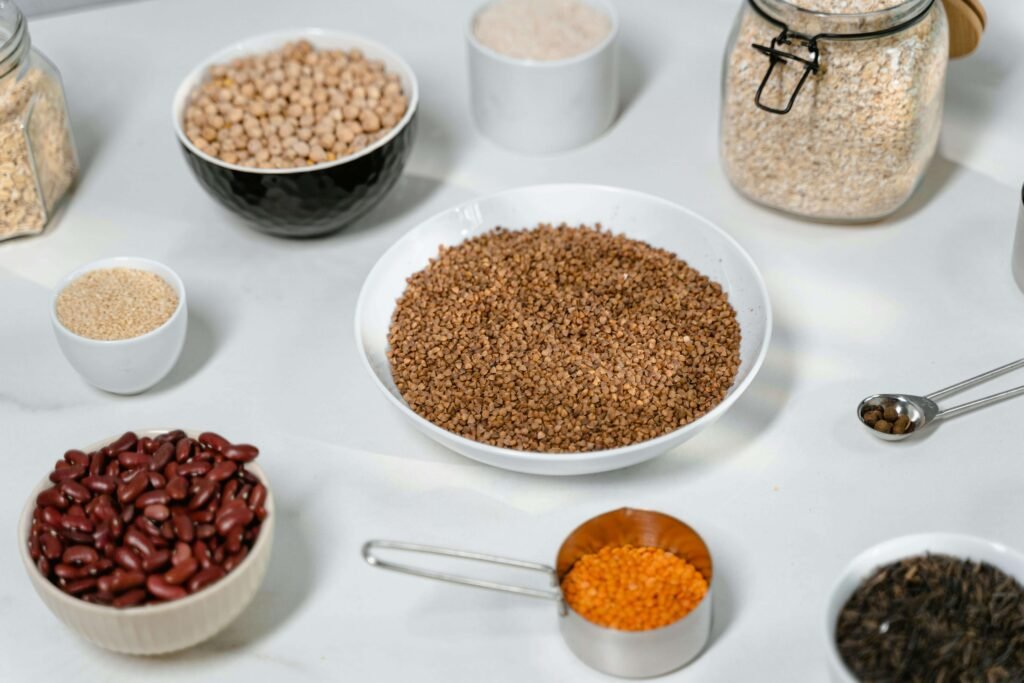
Beans like lentils, chickpeas, and black beans are high in fiber, protein, and antioxidants, all of which help keep the immune system balanced and reduce inflammation.
11. Cruciferous Vegetables – Inflammation & Beyond
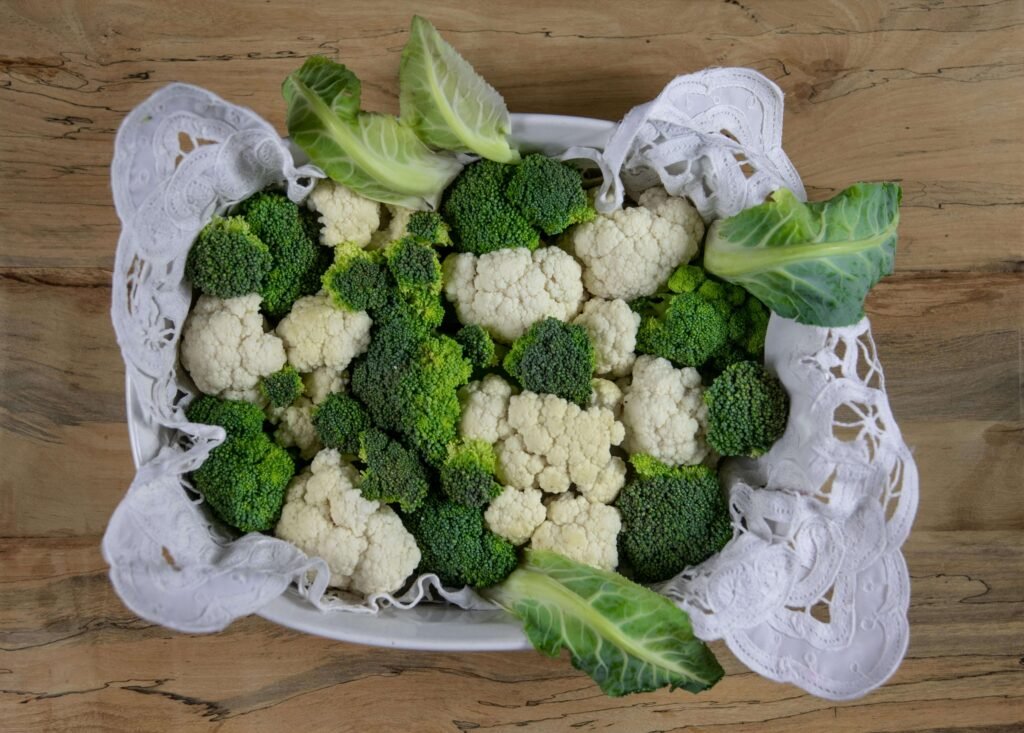
Broccoli, cauliflower, and Brussels sprouts are rich in glucosinolates and antioxidants that help reduce inflammation and support overall health.
12. Tomatoes & Colorful Veggies
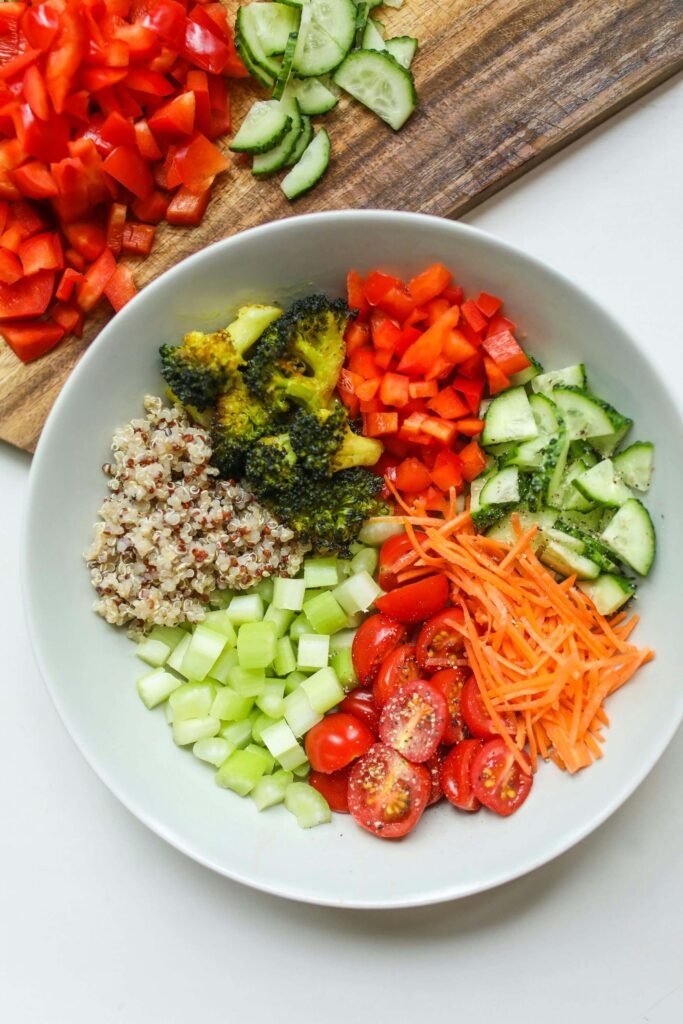
Tomatoes, bell peppers, and other colorful vegetables contain lycopene and other phytonutrients that help protect against oxidative stress and inflammation.
🍽 Practical Anti-Inflammatory Meal Ideas
Adding anti-inflammatory foods to your daily meals doesn’t have to be complicated. These simple meal ideas combine several inflammation-fighting ingredients in one plate.
🥣 Anti-Inflammatory Breakfast Bowl
Greek yogurt topped with fresh berries, chia seeds, and a light drizzle of extra virgin olive oil. This combination provides protein, healthy fats, antioxidants, and fiber to start your day while helping reduce inflammation.
🥗 Salmon & Green Power Salad
Grilled salmon served over spinach and kale with cherry tomatoes, walnuts, and an olive oil turmeric dressing. This meal delivers omega-3 fatty acids, antioxidants, and anti-inflammatory spices in one nutritious dish.
🍛 Balanced Anti-Inflammatory Dinner Plate
A nourishing plate of quinoa, roasted broccoli and cauliflower, and seasoned lentils — all rich examples of foods that reduce inflammation naturally. Pair it with a cup of green tea for an extra dose of inflammation-fighting polyphenols.
🌙 Nighttime Golden Milk

End the day with a warm cup of golden milk — milk gently heated with turmeric, black pepper, cinnamon, and a touch of honey. The curcumin in turmeric, combined with black pepper, may help reduce inflammation and support relaxation before bedtime.
If you want a structured way to add these foods to your routine, check out this simple 7 day healthy meal plan designed for beginners.
🧾 Conclusion
A balanced diet rich in nutrient‑dense foods like fatty fish, leafy greens, berries, whole grains, spices, and healthy fats can help reduce chronic inflammation naturally. These foods work at the cellular level to lower inflammatory markers and support overall health. Combining an anti-inflammatory diet with regular activity can greatly improve long-term health. Here are some helpful tips to stay motivated to exercise consistently.
⚠️ Medical Disclaimer
This article is for informational purposes only and does not replace professional medical advice. Always consult with a healthcare provider before making dietary changes — especially if you have a medical condition or are on medication.
❓ FAQs
Q1. What foods reduce inflammation naturally the fastest?
A: Foods like fatty fish, olive oil, turmeric, and berries have compounds that may help reduce inflammation naturally more quickly when included regularly in the diet.
Q2. Can anti‑inflammatory foods cure chronic inflammation?
A: No single food cures chronic inflammation, but eating a diet rich in natural anti‑inflammatory foods can significantly lower inflammatory markers and improve symptoms over time.
Q3. How often should I eat anti‑inflammatory foods?
A: Aim to include a variety of natural anti‑inflammatory foods in most meals daily to support long‑term inflammation control.
Q4. Are there drinks that reduce inflammation naturally?
A: Yes! Green tea, golden milk (turmeric with milk), and ginger tea are rich in anti-inflammatory compounds and can help lower inflammation when consumed regularly.
4 thoughts on “What Are 12 Foods That Reduce Inflammation Naturally? (Science-Backed Anti-Inflammatory Foods)”