
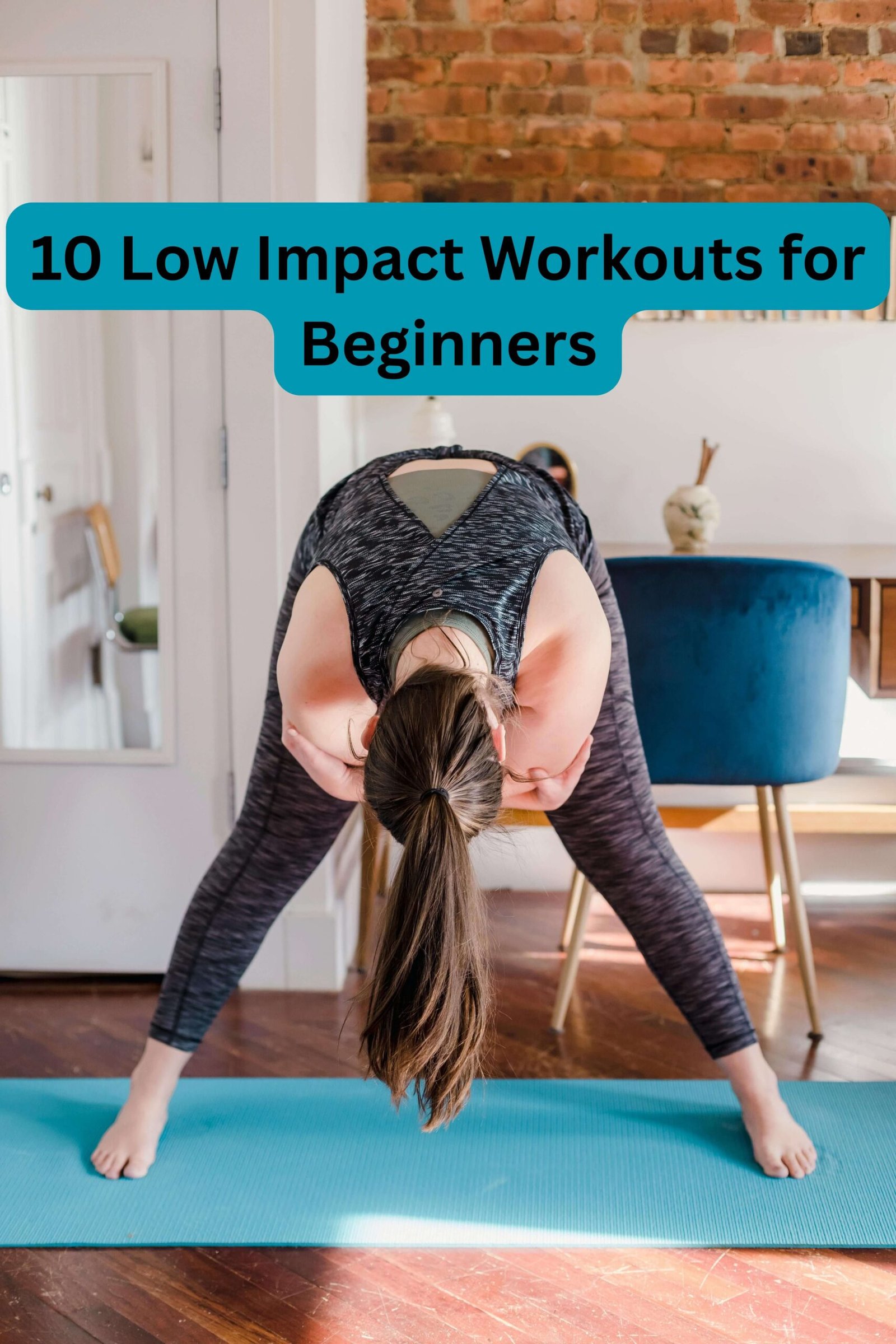
A Realistic Way to Start Moving
(Even When Life Is Busy)
So I won’t start with fancy promises and magical diets but with my own life struggles when it comes about physical activity and workout plans. I found that incorporating my own set of 10 low impact workouts for beginners has made a significant difference.
Most days, even thinking about exercise feels like a task. Between work, family, mental load, and just trying to survive the day, finding time and energy to work out can feel unrealistic. I’ve had those days where I planned to exercise and ended up sitting on the couch scrolling instagram reels instead. Not because I’m lazy — but because life is genuinely exhausting. Sometimes there is so much on the plate that a simple pushup or a 10 minutes brisk walk can feel overwhelming.
And if you’re a beginner, it can feel even harder. Gyms look intimidating, social media workouts seem so hard to achieve, and high-intensity routines make you feel like you’re already failing before you start. I usually start to watch a workout reel so much zeal and interest but while holding a bag full of chips, thinking that I am going to start as soon as the packet ends but that next Monday, next weekend, next month never comes!
That’s exactly why low impact workouts for beginners exist — and why they actually work.
In this post, I’ll share the 10 Low Impact Workouts for Beginners that I recommend to get started.
This isn’t about pushing your body to extremes. It’s about starting where you are, moving in a way that feels safe, and building consistency without burnout.
What Are Low Impact Workouts (And Why They’re Perfect for Beginners)?
Low impact workouts are exercises that are gentle on your joints while still keeping your body active (Healthline on the benefits of low-impact exercise).
That means:
- No jumping
- No sudden high-stress movements
- One foot usually stays on the ground
- Controlled, smooth motions
But “low impact” does not mean ineffective. These workouts can:
- Improve strength and mobility
- Support weight loss
- Boost energy
- Reduce stress
- Help you build a long-term fitness habit
For beginners, this is important because your body needs time to adapt. Starting slow is not weakness — it’s smart.
Why So Many Beginners Quit (And How Low Impact Exercise Helps)
Most people don’t quit fitness because they don’t care. They quit because:
- Workouts feel too hard
- They’re sore for days
- They don’t see instant results
- Life gets busy
Trust me, I’ve been there! Low impact exercises remove many of these barriers. You don’t dread it. You don’t feel punished. And most importantly — you can fit it into real life. When exercise feels doable, consistency becomes possible.
10 Low Impact Workouts for Beginners You Can Do at Home
Here’s a structured list of 10 beginner-friendly low impact workouts. Each one is easy to do at home, requires minimal or no equipment, and is gentle on your joints as I suffer from joint pain myself and the struggle is real!
1. Marching in Place
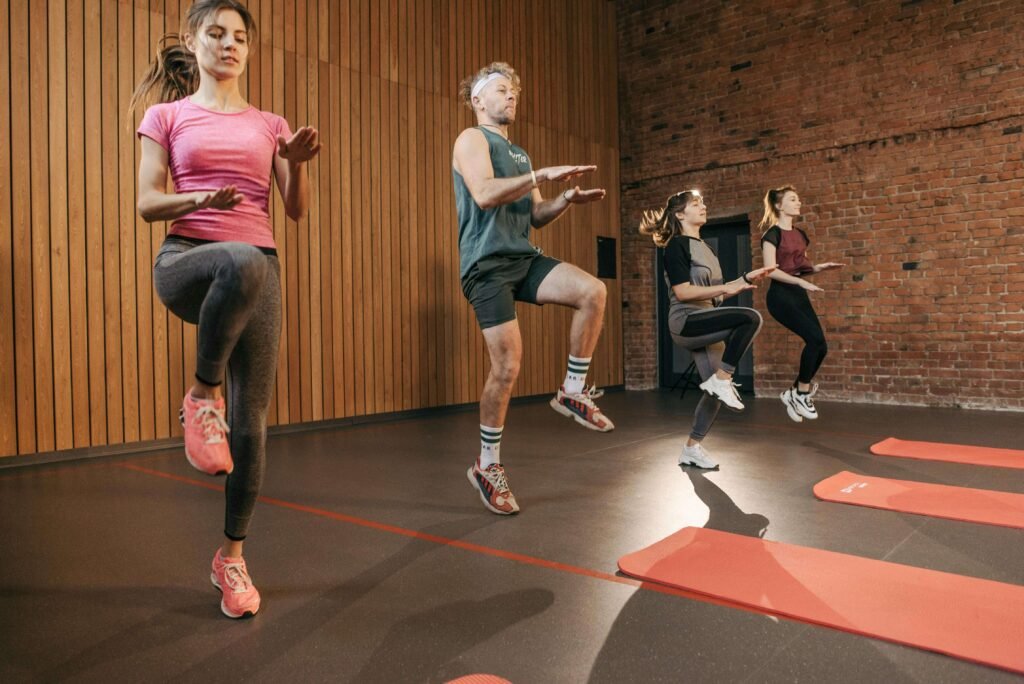
This exercise might sound simple but it is truly underrated, and effective. Add arm movements to increase intensity. Even 2 minutes counts.
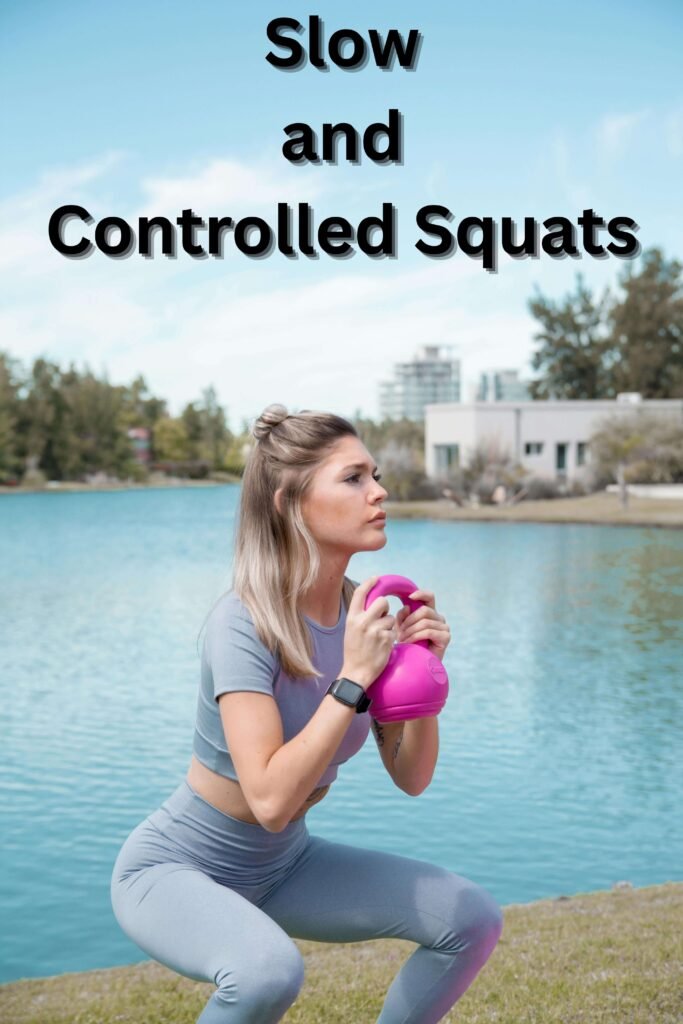
2. Bodyweight Squats (Slow and Controlled)
No jumping. Just sit back, stand up, and breathe. Aim for 10 repetitions and keep in mind that breathing plays a vital role when working out so inhale and exhale adequately while you move.
3. Wall Push-Ups

However underrated it may be, yet wall push-ups not strengthen your core muscles but also gives overall strength to your arms too. Aim for controlled motion and proper form, instead of vigorously performing the reps.
4. Glute Bridges
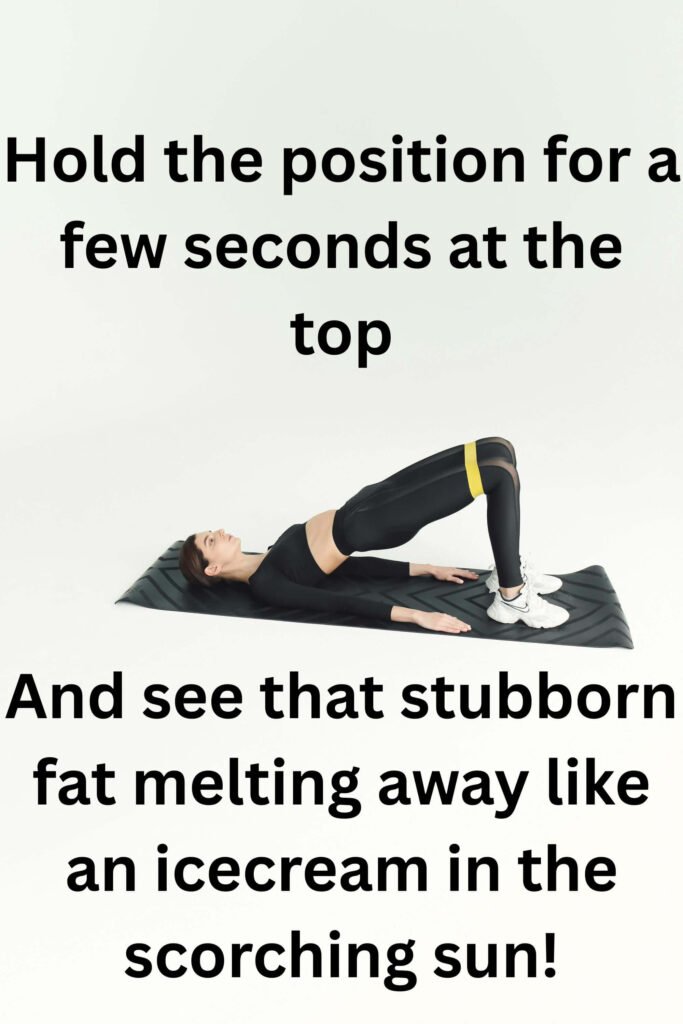
Glute bridges are one of the greatest workouts to target your lower body strength and back support.
5. Standing Leg Raises
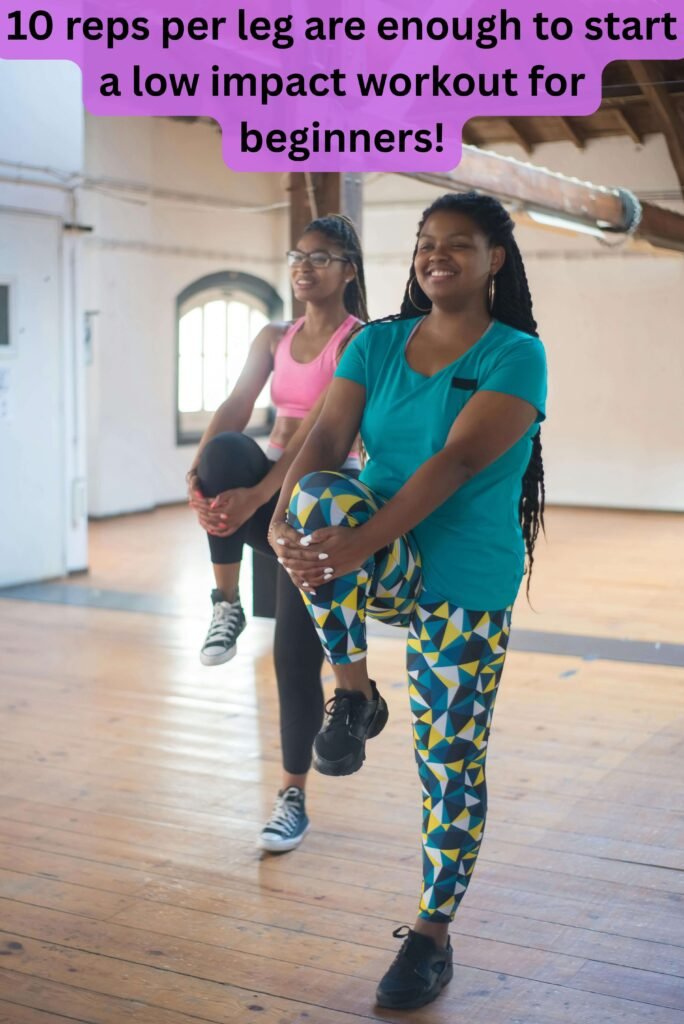
It helps to balance, strengthen your core muscles, and gain hip strength. 10 reps per leg are enough to kick start your beginner mode workout.
6. Seated or Standing Arm Circles
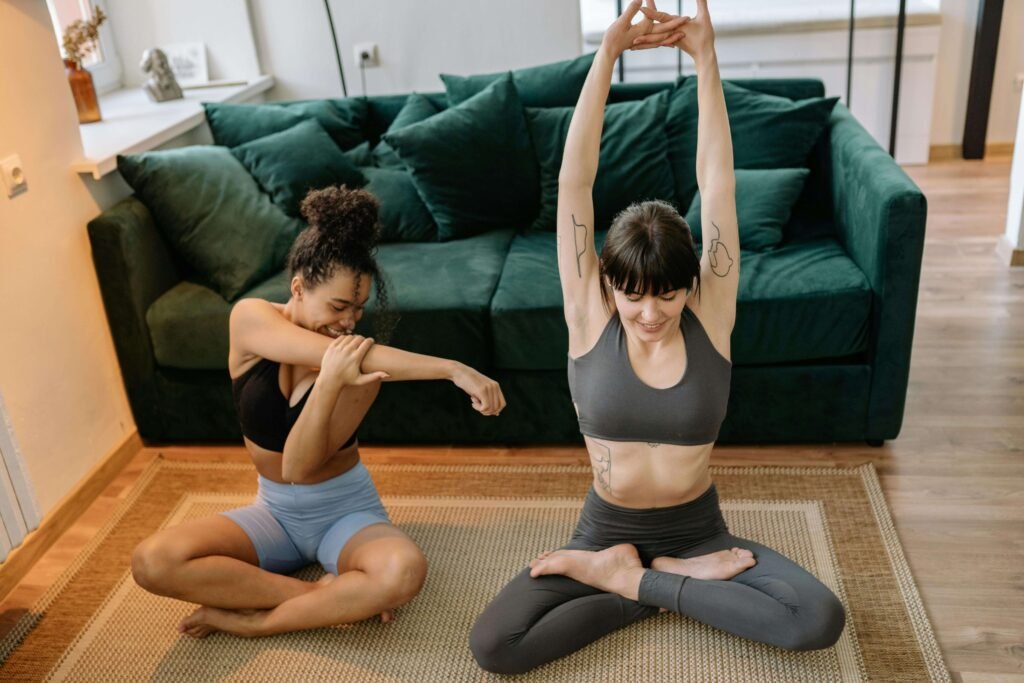
Rotating your arms in circular motions in clockwise and then anticlockwise direction not only gets rid of flabby arms but also improves your overall blood circulation to improve your upper body mobility and posture. However, do slow and controlled circles to avoid strain.
7. Side Leg Lifts
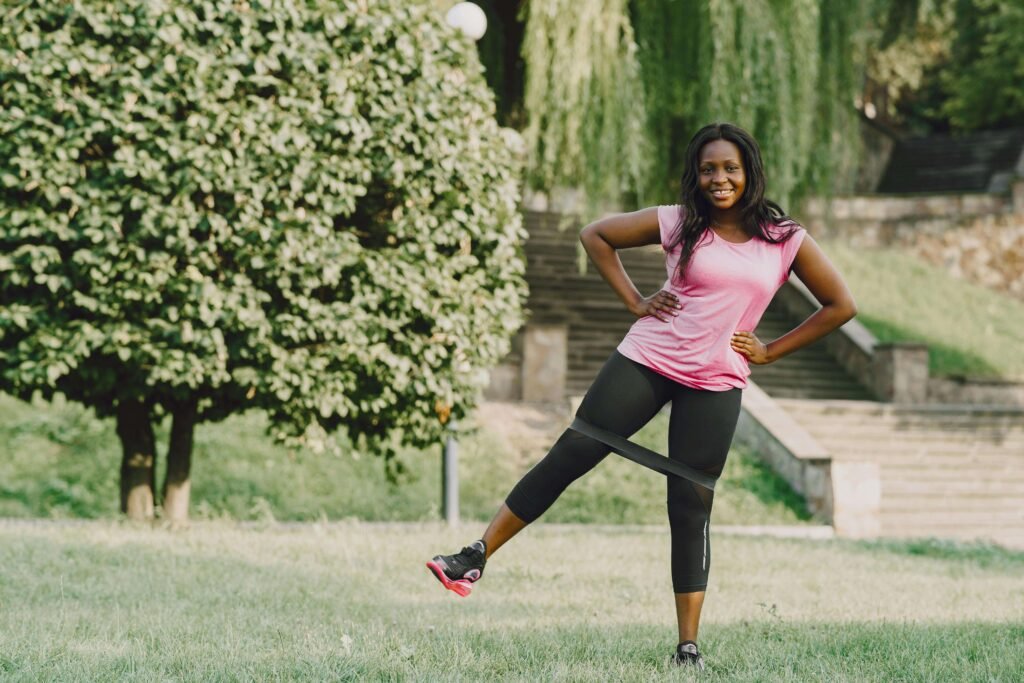
Lifting each leg to its respective side slowly and putting it back on the floor can target the fatty areas on the outer thighs and hips as well as tone your leg muscles. A leg work out forms the foundation of any exercise regime as your legs bear the whole weight of your body, hence stronger leg muscles mean stronger YOU! Hold your balance and lift each leg 10 times.
8. Calf Raises
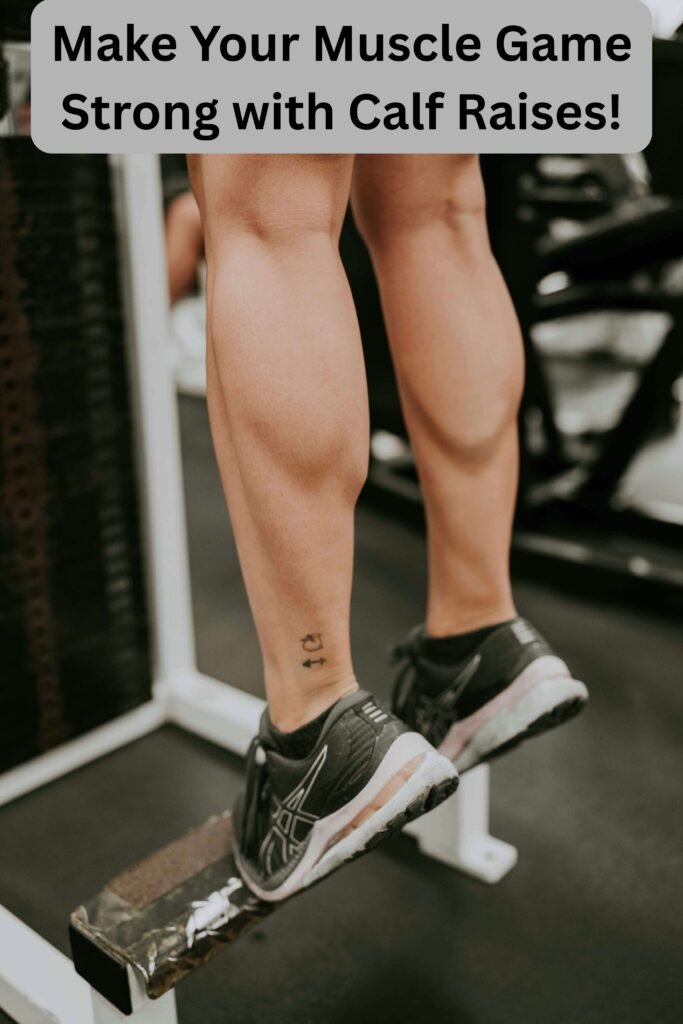
Simple calf raises strengthens calves and improves ankle stability. You can do these on stairs or even a flat ground is good to go.
9. Cat-Cow Stretch
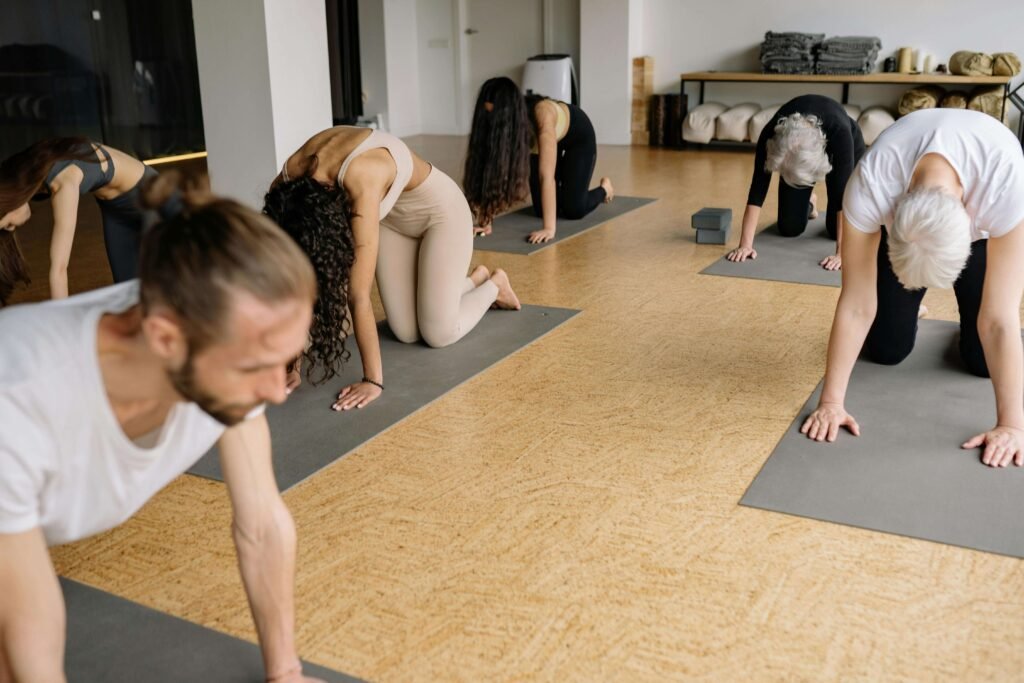
A cat-cow stretch is a gentle spine mobilizer that also relaxes your back and neck. Move slowly back and forth to give a good rush of blood to your blood vessels and focus on breathing in and out adequately.
10. Seated Torso Twists
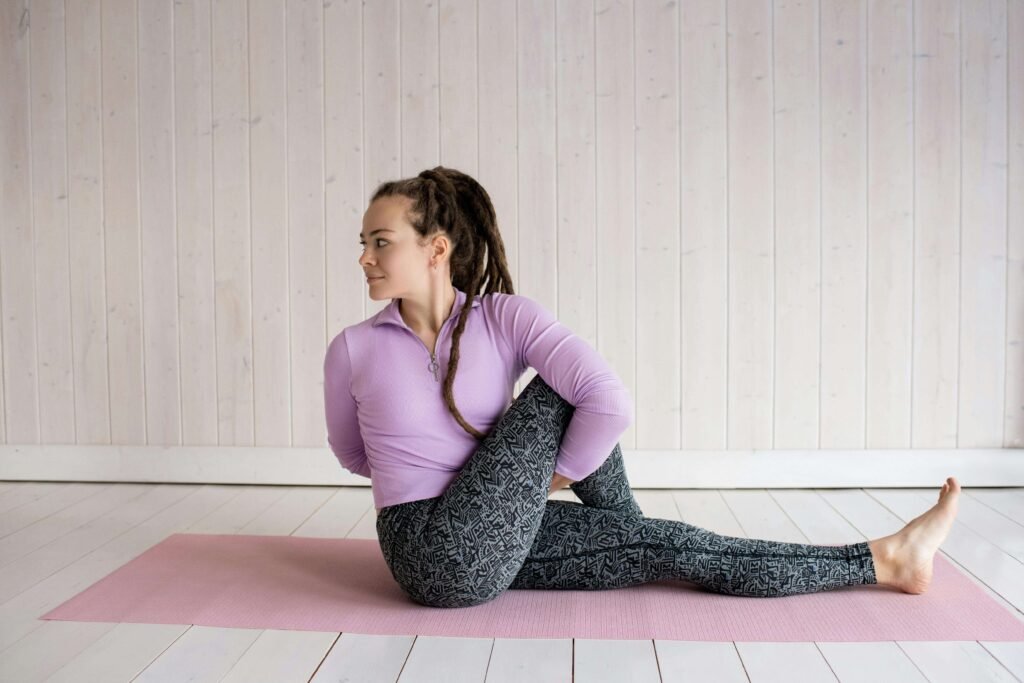
This gentle core movement can be done seated. All you need to do is to twist slowly side to side, performing 10 reps per side.
These exercises can be combined into a single short routine, repeated 2–3 times, or even done individually when you are running out of time.
How Often Should Beginners Do These Workouts?
Here’s the honest answer: as often as you realistically can.
- 3–5 days a week is ideal
- 15–30 minutes per session
- Even 10 minutes counts — especially on hard days
Some days your win might just be stretching or marching in place. And that’s okay. Like I always say, in terms of health, consistency matters more than perfection!
Making Time for Exercise When Life Is Busy
Between work, family, chores, and mental exhaustion, exercise often feels like the last thing you want to do. I get it because I have been there too!
A few things that helped me:
- Stop the “all or nothing” mindset
- Accept short workouts
- Move at home instead of commuting
- Choose workouts that don’t drain you
Fitness should support your life, not compete with it.
Staying Motivated Without Burning Out
Motivation comes and goes. Even habits are formed and changed over time. So what stays is your mindset! Make positive mindset a part of your lifestyle, where you do not punish yourself for eating one extra bite or missing few days of workout. The key is to keep moving on and appreciate that one being you see every day in the mirror as at the end of that day, it’s always you that’s realistically going to show up even when no one ever will.
Some tips that actually work:
- Tie workouts to daily routines (after waking up or before dinner)
- Keep workouts short
- Track how you feel, not just how you look
- Be kind to yourself on low-energy days
- Celebrate every victory on your weight loss journey—whether it’s a pound shed on the scale, a small calorie deficit you achieved today, or an inch lost over the month
- Every step forward is progress, and you deserve to reward yourself for it.

Progresses aren’t always visible, but trust me it’s there and its happening! The first glimpse of success isn’t in the eyes of the people watching you but in the mirror!
Is Low Impact Exercise Enough?
If you are a beginners then absolutely yes!
You don’t need intense workouts to:
- Improve health
- Lose weight gradually
- Build strength
- Feel better mentally
You can always increase intensity later — when your body is ready.
Conclusion: Small Steps Still Count
You don’t have to do everything to do something.
Low impact workouts for beginners aren’t about perfection or pushing limits. They’re about showing up on the days when energy is low, time is short, and motivation feels missing. Movement doesn’t need to be extreme to be meaningful — it just needs to be consistent.
Some days you’ll do a full workout. Some days you’ll just stretch or walk around the house. Both count and both matter equally.
Start where you are. Move at your own pace. Your body will thank you later.
FAQs
1. Are low impact workouts effective for beginners?
Yes. They help build strength, improve mobility, and increase activity without putting too much stress on the body.
2. Can I lose weight with low impact workouts?
Yes. When done consistently and paired with healthy habits, they can support weight loss and improve metabolism.
3. How often should beginners do low impact workouts?
Aim for 3–5 days per week. Even 10–15 minutes counts.
4. Are low impact workouts suitable for people with knee or joint pain?
Yes. They’re gentle on joints, but always listen to your body and avoid painful movements.
5. Do I need equipment for low impact workouts at home?
No. Most exercises use body weight or simple household objects.
6. Can beginners do low impact workouts every day?
Yes, as long as intensity is manageable. Light stretching on rest days can also help.
7. How long should a low impact workout be?
10–30 minutes per session is ideal. Even short sessions are effective when done consistently.
8. What if I miss a few days of exercise?
It’s normal. Just start again when you can. Fitness is a long-term journey.
3 thoughts on “10 Low Impact Workouts for Beginners – Elevate Your Ultimate Fitness Routine”