
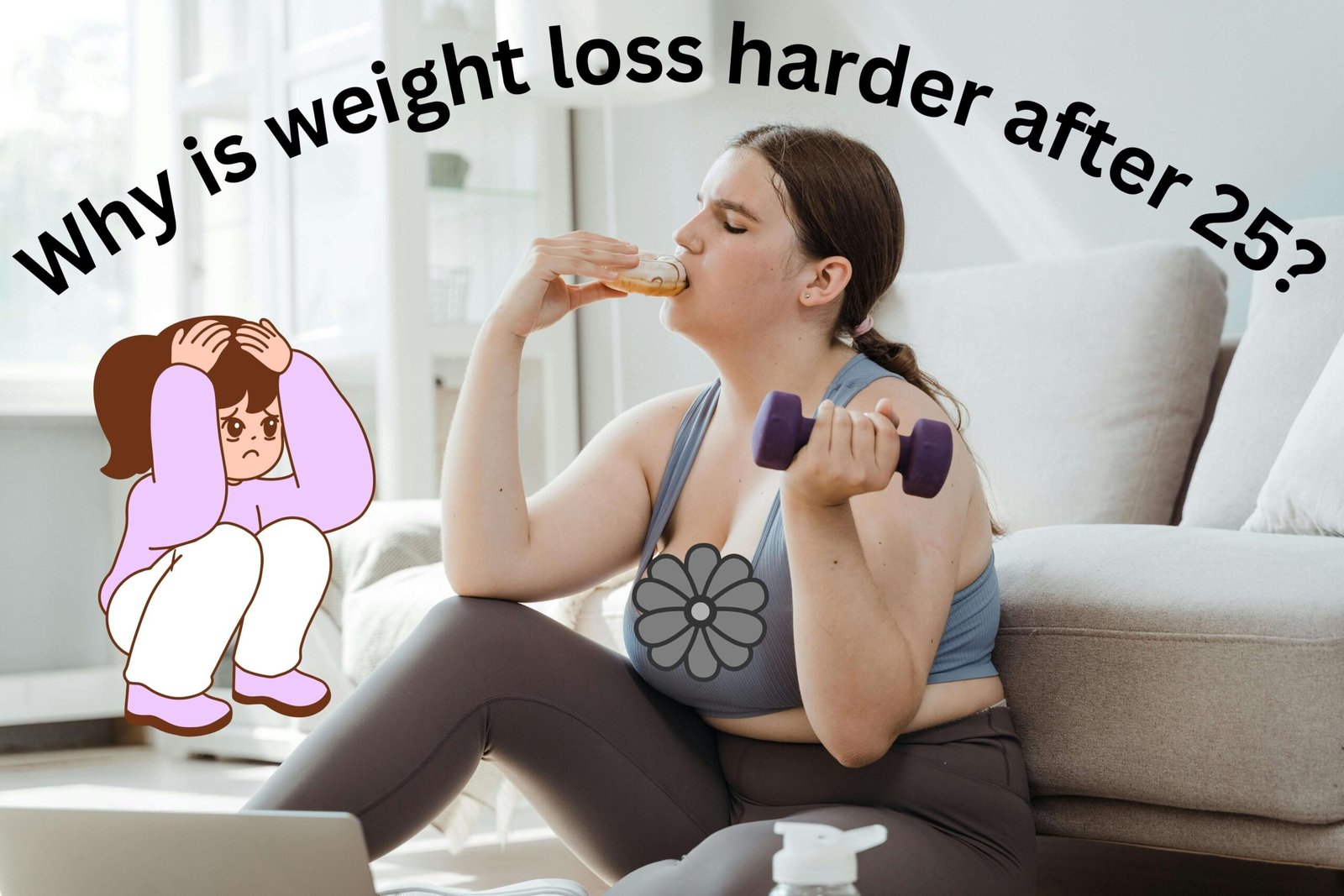
Q: Why is weight loss harder after 25?
A: Weight loss becomes harder after 25 due to a natural slowdown in metabolism, hormonal shifts, loss of muscle mass, and lifestyle factors. By adjusting diet, incorporating strength training, staying active, and prioritizing sleep, you can still achieve effective weight loss at any age.
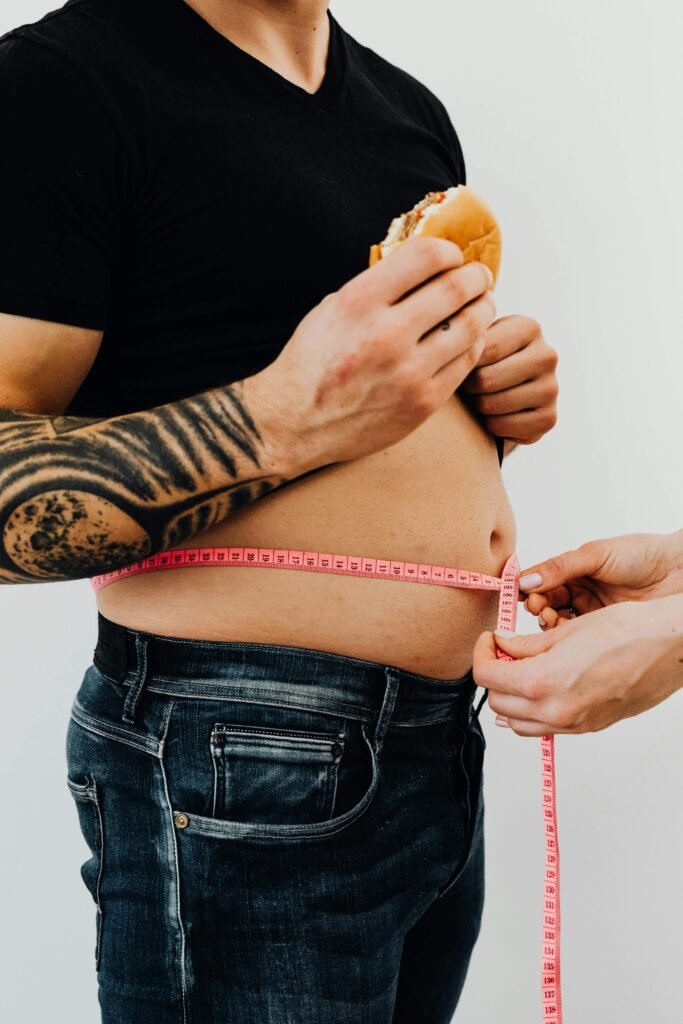
What Happens to Your Body After 25 That Makes Weight Loss Harder?
Many people notice that shedding extra pounds gets tougher after their mid-20s. If you’ve been dieting and exercising but the scale won’t budge, you’re not alone.
Weight loss becomes harder after 25 due to a combination of metabolic slowdown, hormonal shifts, and lifestyle changes. The good news? With the right strategies, you can overcome these challenges and maintain a healthy weight.
This guide explains why weight loss slows after 25 and offers practical, science-backed tips to help you succeed.
Understanding the Challenges of Weight Loss After 25
Many people wonder why is weight loss harder after 25, even when their diet and routine haven’t changed.
As we age, our bodies change in ways that make losing weight more challenging:
1. Metabolic Slowdown
After 25, your basal metabolic rate (BMR)—the number of calories your body burns at rest—naturally decreases. Fewer calories burned means weight loss requires more effort.
2. Hormonal Changes
- Cortisol (the stress hormone) can increase fat storage, especially around the midsection, and prolonged stress may affect thyroid function, which is important for metabolism and overall energy balance. You can learn more about common thyroid issues in women here.
- Insulin sensitivity decreases with age, which can make it easier to gain fat and harder to lose it. Learn more about why weight sometimes doesn’t come off even with diet and exercise here.
- Sex hormones like estrogen and testosterone shift with age, which can affect muscle mass and fat distribution. These changes are also linked to conditions like PCOS, which many women may not recognize early learn more here.
3. Loss of Muscle Mass
Muscle burns more calories than fat. After 25, if you aren’t strength training, you slowly lose muscle mass, reducing your calorie burn and slowing weight loss.
4. Lifestyle Factors
- Sedentary office jobs
- Skipping meals or late-night eating
- Stress and poor sleep
The Science Behind the Slowing Metabolism
As we age, metabolism slows by about 2–3% per decade after our 20s. This slowdown means your body burns fewer calories at rest, making weight management more difficult.
According to Harvard Health, metabolism gradually decreases with age, impacting weight loss.
Hormones That Affect Weight After 25
- Cortisol: High stress levels trigger fat storage.
- Insulin: Reduced sensitivity increases fat retention.
- Sex hormones: Decreased estrogen/testosterone affects muscle mass and fat distribution.
Learn how matcha for weight loss benefits can help boost metabolism naturally.
Lifestyle Factors Contributing to Weight Gain
If you’ve been struggling to slim down, you might be asking yourself why is weight loss harder after 25 despite your best efforts.

- Long hours of sitting at a desk
- Eating irregular meals
- Late-night snacking
- Lack of sleep
Discover healthy office snacks ideas to stay energized and curb overeating.
Proven Strategies to Lose Weight After 25
1. Build Lean Muscle
Incorporate resistance training or bodyweight exercises to increase calorie burn.

2. Track Calories & Prioritize Protein
Protein-rich meals support muscle retention and help control appetite.
3. Limit Sugar & Processed Foods
Refined carbs spike insulin and trigger fat storage.
4. Prioritize Sleep & Manage Stress
Sleep deprivation increases hunger hormones, making it harder to lose weight.
5. Consistency Over Intensity
Small, sustainable changes beat extreme diets.
Low-Impact Workouts for Beginners

For those starting out or looking for joint-friendly options:
- Walking
- Yoga
- Tai Chi
- Resistance band exercises
Try 10 Low Impact Workouts for Beginners for easy, effective workouts at home.
Healthy Snacks & Daily Habits
- Eat mid-morning and afternoon snacks like fruits, nuts, or yogurt.
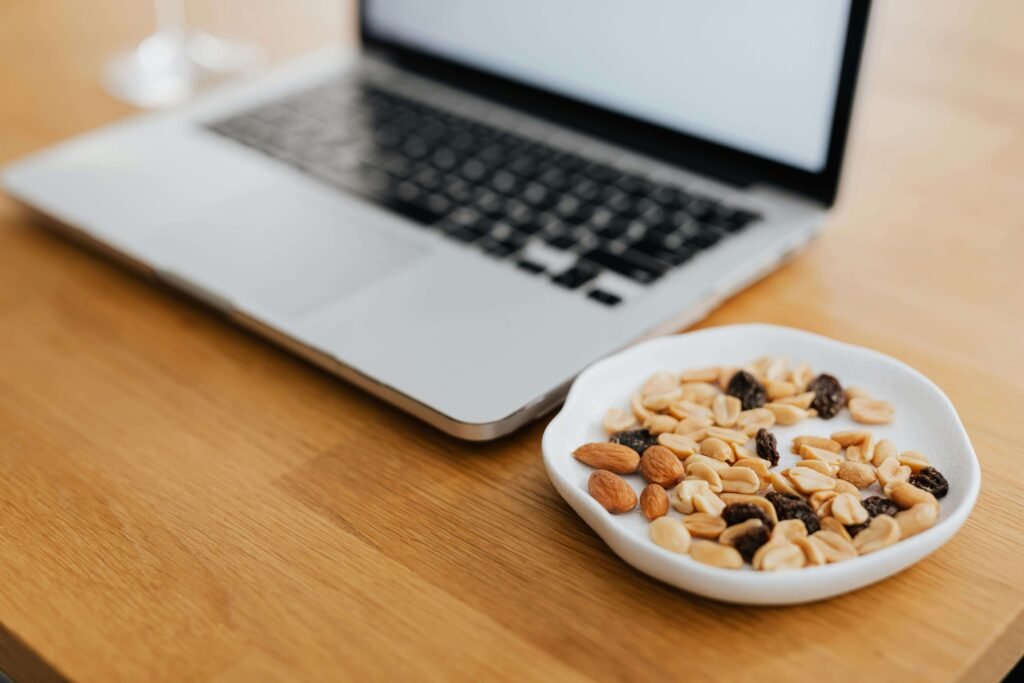
- Stay hydrated to avoid mistaking thirst for hunger.
Check healthy office snacks ideas to maintain energy at work.
Conclusion
Weight loss harder after 25 tends to be due to slowing metabolism, hormonal shifts, and lifestyle changes. But with the right strategies—strength training, mindful eating, adequate sleep, and consistent healthy habits—you can overcome these challenges.
Remember, small, consistent steps matter more than drastic changes. Focus on long-term habits rather than quick fixes.
Medical Disclaimer
This article is for informational purposes only and is not a substitute for professional medical advice. Always consult with a healthcare provider before starting any diet, exercise, or lifestyle program.
FAQs
Why is weight loss harder after 25?
Weight loss becomes harder after 25 due to slowing metabolism, hormonal changes, loss of muscle mass, and lifestyle factors. Adjusting diet, exercise, and sleep can help.
Can I still lose weight effectively after 25?
Yes! Strength training, mindful eating, regular movement, and sleep management can make weight loss achievable even after 25.
What are the best workouts if weight loss is harder after 25?
Low-impact workouts like walking, yoga, tai chi, and resistance training are ideal for beginners and joint-friendly exercise.
How do hormones affect weight loss after 25?
Hormones such as cortisol, insulin, and sex hormones affect fat storage, appetite, and muscle mass, making weight management more challenging.
How can office workers manage weight after 25?
Incorporate healthy snacks, stay hydrated, follow consistent meal routines, and take short movement breaks throughout the day.