
Let’s be honest for a while.
Staying consistent with fitness isn’t about motivation alone. It’s about awareness. When you track workouts, something shifts. You stop guessing. You start improving.
And in 2026, fitness tracking isn’t complicated anymore. It’s simple, smart and surprisingly comforting.
If you’ve ever felt overwhelmed by health advice, relax. This guide isn’t about perfection. It’s about progress — at your pace.
Let’s explore 5 devices that make it easier to move confidently and sleep better at the same time.
Why It’s Important to Track Workouts
Tracking your workouts helps you:
- See real progress
- Avoid overtraining
- Improve sleep habits
- Stay consistent without burnout
When you track workouts properly, you don’t chase random trends. You build sustainable habits.
And consistency always wins.
1️⃣ Apple Watch Series 10
A favorite among fitness lovers for a reason!
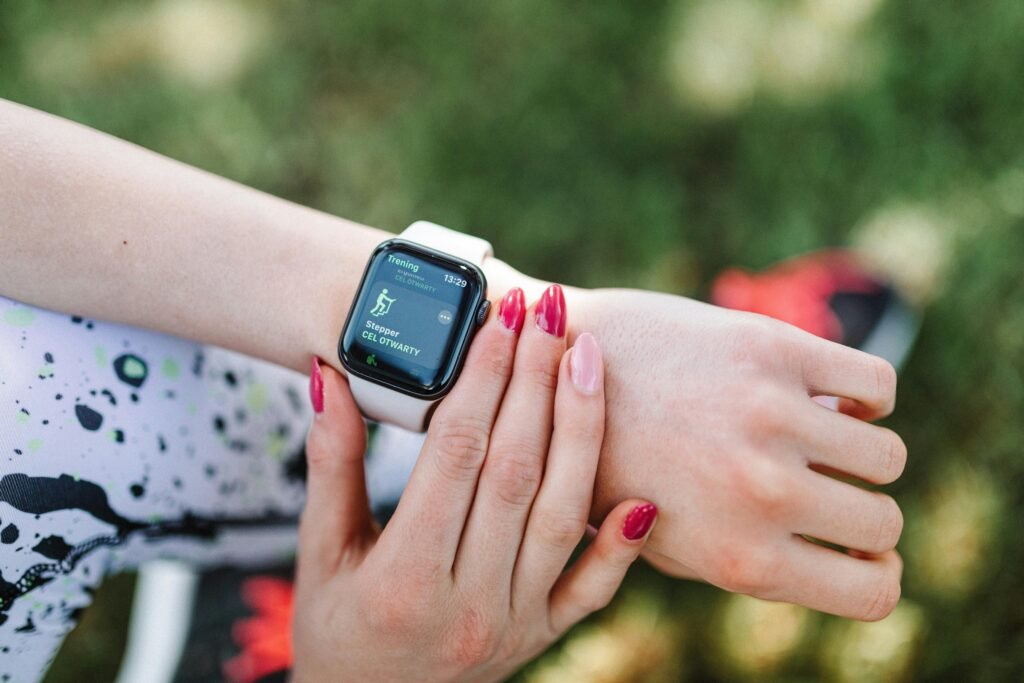
It monitors heart rate, tracks different workout types, and gives detailed sleep insights. The clean interface makes it easy to review progress without feeling overwhelmed.
2️⃣ Fitbit Charge 6
If you prefer something lightweight and distraction-free, this is ideal!
It focuses heavily on:
- Daily activity tracking
- Sleep tracking
- Heart rate monitoring
It’s simple, practical, and perfect for beginners who want to track workouts without technical complexity.
3️⃣ Garmin Venu 3
For data lovers — but in a healthy way!
It provides deeper insights into recovery, stress levels, and performance trends. If you’re training for endurance or strength improvement, this device makes it easier to track workouts scientifically.
4️⃣ Samsung Galaxy Watch 6
Balanced Stylish Functional
It combines fitness tracking with strong sleep analytics. If your goal is overall wellness rather than intense athletic performance, this one feels supportive rather than overwhelming.
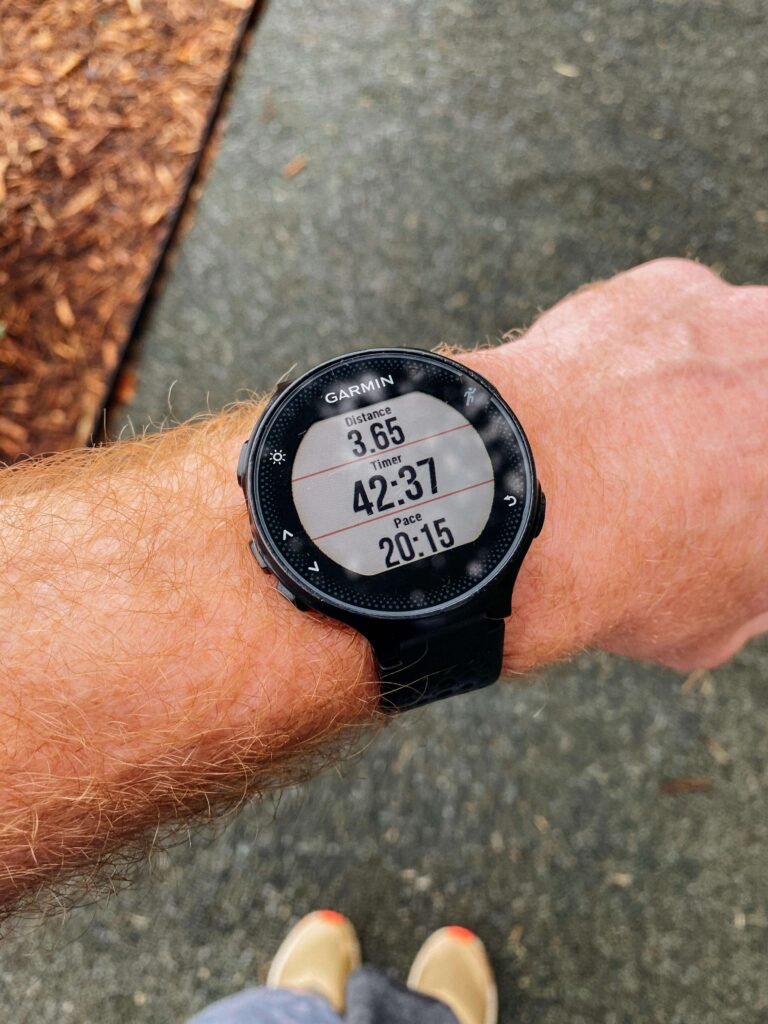
5️⃣ WHOOP 4.0
This one is different!
It focuses heavily on recovery, strain, and sleep performance. No flashy screen — just deep insights into how your body responds to activity.
It’s a reminder that rest matters as much as movement.
Sleep Tracking: The Underrated Game-Changer
You can train hard, but if your sleep suffers, results slow down.
Modern wearables now monitor:
- Sleep duration
- Sleep stages
- Resting heart rate
- Recovery trends
For general physical activity recommendations, you can also refer to the World Health Organization which provides evidence-based guidelines on weekly movement goals.
How to Choose the Right Device
Before buying anything, ask yourself:
- Do I want simple tracking or deep analytics?
- Am I training seriously or casually?
- Do I care about sleep insights?
- What’s my budget?
Remember — the best device is the one you’ll actually use consistently.
A Gentle Reminder (And This Is Important)
Tracking isn’t about obsession.
It’s about awareness.
When you track workouts, you build a relationship with your body. You understand your limits.
You respect recovery.
You notice progress.
And slowly, quietly — confidence builds.
Not loud confidence.
Calm confidence.
The kind that doesn’t panic when progress is slow.
The kind that trusts the process.
Conclusion: Your Fitness Journey, Your Pace
You don’t need extreme goals.
You don’t need perfection.
You just need consistency.
If a device helps you track workouts, sleep better, and stay accountable — use it as a tool, not pressure.
In 2026, fitness is smarter. More balanced. More sustainable.
And you?
You’re not chasing trends anymore.
You’re building strength with awareness.
No matter you are a teen ager, over 40 or in your late 70s, restarting fitness, might help!
That’s powerful.
FAQs
1. Is it necessary to track workouts daily?
Not mandatory, but regular tracking helps identify patterns and maintain consistency.
2. Do fitness trackers accurately measure sleep?
They provide useful estimates and trends. While not medical-grade devices, they are helpful for general awareness.
3. Which device is best for beginners?
Devices like Fitbit are beginner-friendly and easy to use.
4. Can tracking workouts improve motivation?
Yes. Seeing measurable progress often increases commitment and confidence.
2 thoughts on “Track Workouts in 2026 – Top 5 Devices for Fitness & Sleep”