

How can I tell if my kidneys are not working properly?
Signs your kidneys are not working properly often include feeling tired, swelling in hands or feet, changes in urination, foamy urine, nausea, high blood pressure, or trouble concentrating. Recognizing these symptoms early helps you get medical care in time and protects your kidney health.
Early Signs of Kidney Problems
1. Feeling Tired or Weak

Unusual fatigue or low energy is one of the earliest signs of kidney problems. When kidneys can’t filter waste properly, toxins build up in your blood, leaving you feeling exhausted, lightheaded, or having trouble focusing.
Health Tip:
Short naps, light walks, and proper hydration help, but persistent tiredness should be checked by a doctor.
Learn about renal diet tips for energy support to keep your kidneys healthy.
2. Swelling in Hands, Feet, or Face
Swelling—especially in your ankles, fingers, or around the eyes—can indicate fluid buildup caused by kidneys not working efficiently. This condition is called edema and is a common early warning sign.
Patients on dialysis often monitor swelling closely.

3. Changes in Urination
- Urinating more often, especially at night
- Less urine than usual
- Dark or foamy urine

Foamy urine happens when protein leaks into urine, a condition called proteinuria. This is an important early sign your kidneys need attention.
A kidney-friendly diet can support renal health and help reduce protein leakage.
4. Nausea, Vomiting, or Loss of Appetite
Waste buildup in the blood can cause digestive discomfort, nausea, vomiting, or reduced appetite. Even mild, ongoing digestive changes may signal kidney problems.

5. High Blood Pressure
Kidneys help control blood pressure. When they aren’t working properly, your blood pressure can rise, which can further harm kidneys. Regular blood pressure monitoring is essential for early detection.
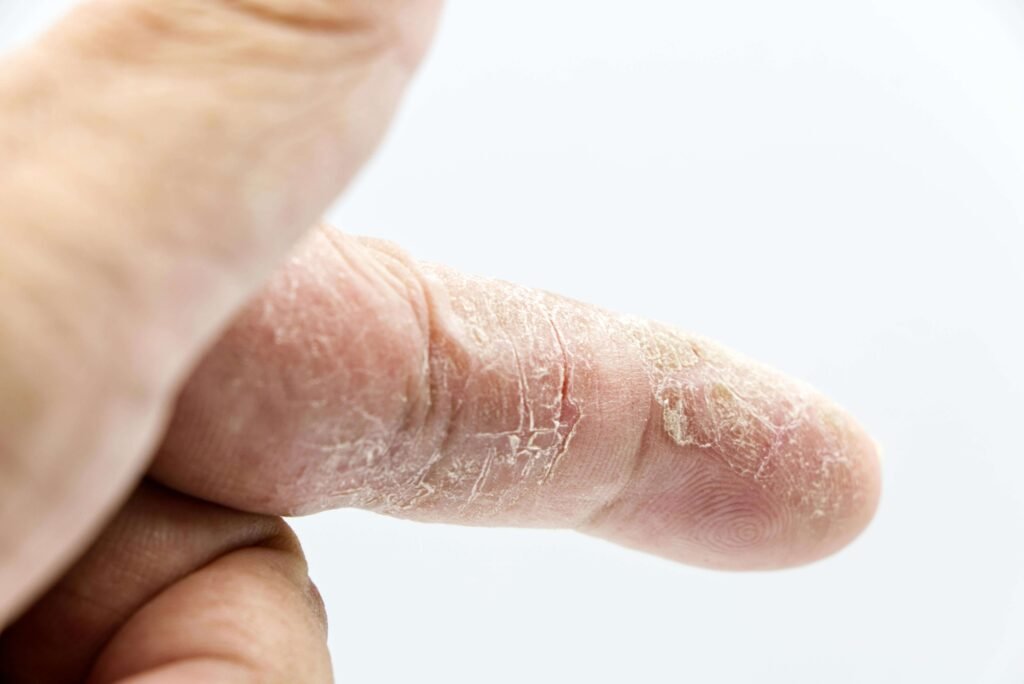
6. Dry or Itchy Skin
Toxins in the blood can irritate the skin, causing dryness or itching that doesn’t improve with moisturizers. Persistent skin issues may be linked to kidney problems.
7. Trouble Sleeping & Concentration Issues

Kidney issues may make it hard to sleep or focus. Waste buildup in the blood and lower red blood cell production can contribute to tiredness and poor concentration.
8. Metallic Taste or Bad Breath

A buildup of waste products can cause a metallic taste in the mouth or ammonia-like breath. This subtle symptom is often overlooked but is an early indicator of kidney stress.
9. Shortness of Breath
Extra fluid may collect in the lungs when kidneys aren’t working well, making it harder to breathe, especially during activity.
How to Protect Your Kidneys and Prevent Kidney Failure Early
Kidney problems can develop silently, but taking preventive action can protect your health:
- Regular Kidney Screening
Routine blood tests (creatinine, eGFR) and urine tests help detect problems before they worsen. Experts at National Kidney Foundation – Living Donation emphasize that prevention and early action are key to avoiding kidney failure. - Manage Blood Pressure and Blood Sugar
High blood pressure and diabetes are leading causes of kidney disease. Keeping these under control reduces kidney stress. - Hydration and Kidney-Friendly Diet
Drink enough water and follow a renal-friendly diet—low in salt, processed foods, and excessive protein. Include fruits, vegetables, and whole grains. - Avoid Harmful Substances
Limit unnecessary painkillers, certain supplements, smoking, and alcohol that can strain kidneys. - Maintain a Healthy Weight and Exercise
Obesity increases the risk of kidney problems. Regular physical activity helps control weight, blood pressure, and blood sugar. - Monitor Early Symptoms Closely
Watch for foamy urine, swelling, fatigue, or nausea. Acting quickly can prevent permanent damage.
Read more in life after transplant for guidance on maintaining healthy kidneys.
Health Tip:
If you have a family history of kidney disease, regular checkups with a nephrologist can save your kidneys timely.
If you’re exploring treatment options or considering helping someone in need, you can also learn more about how to donate a kidney safely and what to expect during the process.
Conclusion
Recognizing signs your kidneys are not working properly early allows for timely medical care and better long-term health. Paying attention to fatigue, swelling, urination changes, foamy urine, nausea, and blood pressure can help detect kidney problems before they worsen. Always consult a healthcare professional if you notice any of these symptoms.
Medical Disclaimer
This article is for informational purposes only. It is not a substitute for professional medical advice, diagnosis, or treatment. Always seek guidance from your doctor or qualified healthcare provider regarding any medical condition.
FAQs
Q1: What are the first signs my kidneys are failing?
A1: Early signs your kidneys are not working properly include fatigue, swelling, foamy urine, changes in urination, nausea, and high blood pressure. Regular checkups can detect kidney issues before severe damage occurs.
Q2: Can vomiting or nausea indicate kidney disease?
A2: Yes, toxin buildup from kidney problems can cause nausea or vomiting. Persistent digestive issues should prompt kidney function testing.
Q3: Can foamy urine indicate kidney disease?
A3: Yes, foamy urine may signal protein leakage (proteinuria), an early symptom of kidney problems. Consult your doctor for tests if it persists.
Q4: How can I prevent my kidneys from failing?
A4: Maintain a healthy lifestyle, follow a kidney-friendly diet, stay hydrated, monitor blood pressure and blood sugar, and avoid kidney-straining medications.
Q5: Are kidney symptoms the same for everyone?
A5: Symptoms vary depending on age, health conditions, and disease stage. Early detection improves outcomes, so don’t ignore persistent signs.