
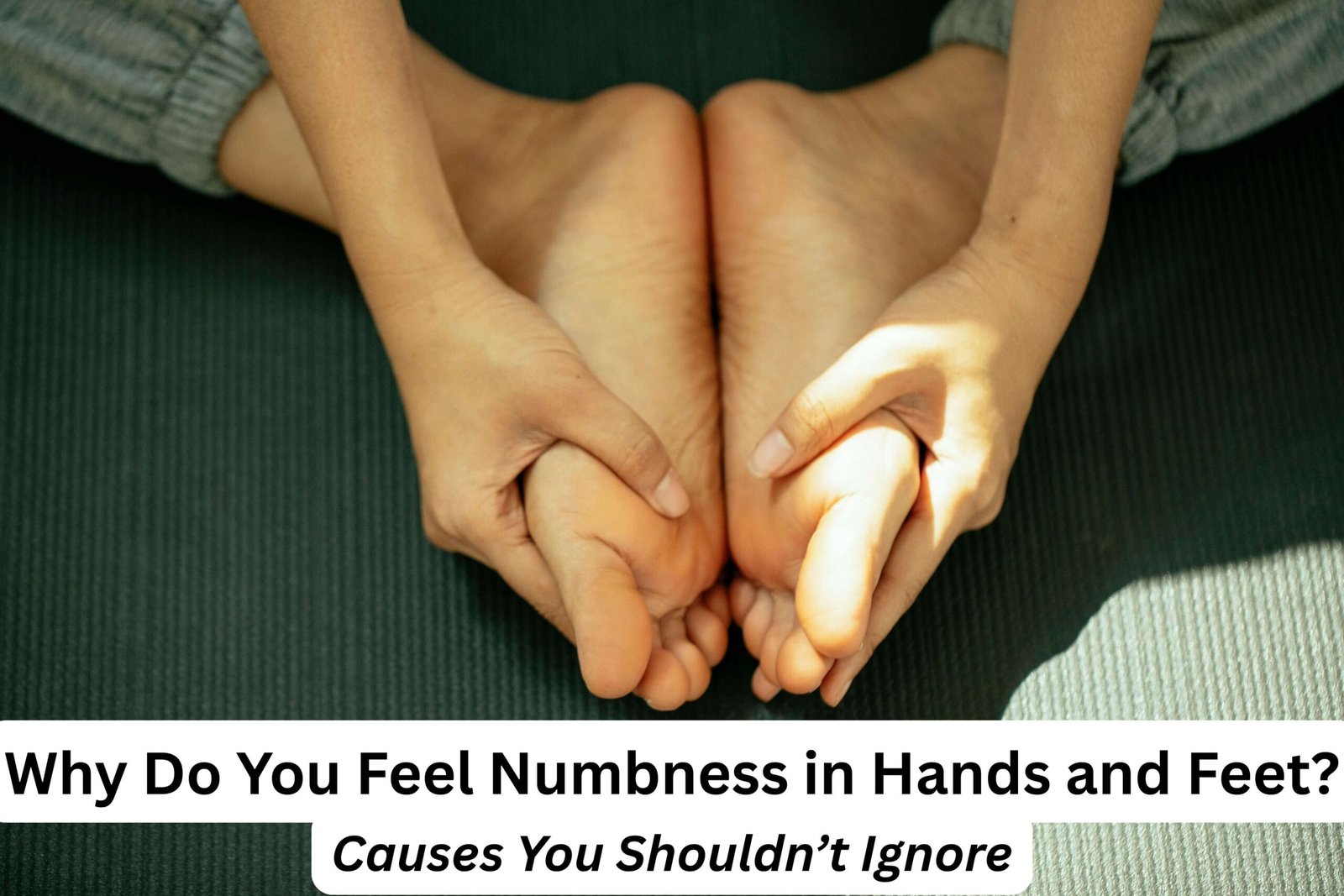
Why Do You Feel Numbness in Hands and Feet?
Numbness in hands and feet causes range from poor circulation, nerve pressure, vitamin deficiencies, to underlying conditions like diabetes. While occasional tingling is common, frequent or persistent numbness may indicate a more serious issue and should not be ignored.
Numbness in Hands and Feet Causes You Shouldn’t Ignore
Many people experience numbness in hands and feet at some point. It can feel like tingling, pins and needles, or complete loss of sensation. Often, it occurs when pressure is placed on a nerve or blood flow is temporarily restricted.

However, if numbness is frequent, persistent, or unexplained, it may indicate that your body is experiencing a deeper problem. Understanding the causes can help you take timely action and prevent complications.
Common Causes of Numbness in Hands and Feet
1. Poor Blood Circulation
Reduced blood flow is one of the most common reasons for numbness in hands and feet. Circulation can be limited by sitting for long periods, wearing tight clothing, or certain cardiovascular conditions. Poor circulation deprives nerves of oxygen, causing tingling or temporary loss of sensation.

Tip: Regular movement, gentle stretching, and avoiding long periods of sitting can improve circulation and prevent numbness.
2. Nerve Compression
Everyday habits, such as crossing your legs, sleeping on your arm, or prolonged use of smartphones and keyboards, can put pressure on nerves. Over time, nerve compression may lead to persistent numbness or tingling sensations.
Example: Conditions like carpal tunnel syndrome can compress the median nerve in your wrist, causing numbness in hands, especially at night.

3. Vitamin Deficiencies
Nutrients like vitamin B12, vitamin D, and magnesium are essential for nerve health. A deficiency can affect nerve signaling, resulting in tingling, weakness, or numbness in hands and feet. Vegetarians, vegans, and older adults are more susceptible to B12 deficiency.

Tip: Consider blood tests to check nutrient levels if numbness is persistent. Learn more about hidden signs of hormonal imbalance in women as deficiencies can sometimes overlap with hormonal issues.
4. Blood Sugar Imbalance
High blood sugar over time can damage nerves, particularly in the feet, leading to diabetic neuropathy. Early symptoms may include mild tingling, which gradually progresses to persistent numbness if untreated.
5. Stress and Anxiety
Mental health can manifest physically. Stress or anxiety can alter blood circulation and breathing patterns, sometimes causing tingling or triggering numbness in hands and feet causes.
Tip: Mindfulness, yoga, and deep breathing exercises can reduce stress-induced numbness. For more insights, see 7 simple ways to manage stress effectively for instant calm and better mental wellbeing.
6. Other Medical Conditions
Some medical conditions can also trigger numbness:
- Hypothyroidism: Slows metabolism and circulation, affecting nerves.
- Multiple Sclerosis: Damages nerve coverings, impairing signal transmission.
- Peripheral Artery Disease: Reduces blood flow to extremities.
- Autoimmune Disorders: Inflammation can damage nerves.
Persistent numbness should be evaluated by a healthcare professional to rule out serious causes.
Symptoms That Should Not Be Ignored
Occasional numbness is usually harmless, but persistent or severe symptoms may indicate a serious problem. Be alert if you notice:
- Frequent numbness without an obvious cause
- Tingling that spreads or worsens
- Weakness, lack of coordination, or difficulty walking
- Dizziness, sudden discomfort, or balance issues
Early recognition helps prevent complications and allows timely medical intervention.
When to See a Doctor

Consult a doctor if numbness:
- Does not improve with movement or posture changes
- Returns repeatedly without explanation
- Interferes with daily activities
- Occurs suddenly or on one side of the body
A healthcare professional may recommend blood tests, nerve studies, or imaging to determine the underlying cause.
For more detailed medical insights on nerve-related numbness, visit Mayo Clinic.
If these symptoms are combined with low energy or constant tiredness, it’s important to pay attention to your body’s signals and understand why you feel tired all the time even after sleeping.
Simple Ways to Reduce Numbness
You can often minimize mild numbness with these lifestyle changes:
- Avoid staying in one position for long periods

- Stretch and move regularly, including simple wrist and foot exercises
- Maintain a balanced diet rich in essential vitamins (especially B12)
- Stay hydrated to support circulation
- Manage stress through mindfulness, meditation, or yoga

- Use ergonomic tools for computers and mobile devices to prevent nerve compression
Small, consistent changes can improve symptoms and reduce the frequency of numbness episodes.
CONCLUSION
Numbness in hands and feet is often dismissed as minor, but it can sometimes indicate a deeper health issue. Paying attention to frequency, duration, and accompanying symptoms is essential. By understanding numbness in hands and feet causes, taking preventive measures, and seeking timely medical advice, you can protect your overall health and prevent complications.
⚠️ MEDICAL DISCLAIMER
This article is for informational purposes only and should not be considered medical advice. Always consult a qualified healthcare professional for diagnosis or treatment of any symptoms.
❓FAQs
What causes numbness in hands and feet the most?
The most common causes include poor circulation, nerve compression, and vitamin deficiencies.
Is numbness in hands and feet dangerous?
It can be harmless if occasional, but persistent numbness may indicate a serious underlying condition.
Why does numbness happen at night?
It may occur due to sleeping positions, reduced movement, or pressure on nerves.
Can stress trigger numbness in hands and feet causes?
Yes. Anxiety and stress can alter blood flow and breathing patterns, causing tingling sensations.
How do you fix numbness in hands and feet?
Improving circulation, maintaining posture, addressing nutrient deficiencies, and managing stress can help reduce symptoms.
1 thought on “Why Do You Feel Numbness in Hands and Feet? Causes You Shouldn’t Ignore”