
Q: What is life after kidney transplant like?
A: Life after kidney transplant improves significantly for most people, but recovery can be slow and challenging. Patients often deal with medication side effects, infection risks, emotional changes, and gradual physical healing before regaining a stable routine.
No One Told Me Recovery Would Feel Like This
My Life After a Kidney Transplant
This was my reality of life after a kidney transplant and the recovery journey — something no one really prepares you for.
I thought the hardest part was over.
The day I got the transplant… everyone smiled.
Doctors looked relieved.
My family finally breathed again.
And me?
I just lay there… staring at the ceiling…
thinking, this is it… I made it.

But no one told me what comes after.
The first few days felt like a blur.
Machines.
Beeping sounds.
Nurses checking vitals every few hours.
I remember waking up in the middle of the night…
feeling this strange mix of relief and fear.
Relief that I was alive.
Fear that something might still go wrong.
Then came the pain.
Not sharp… not unbearable…
but constant.
Like my body was trying to understand what had just happened to it.
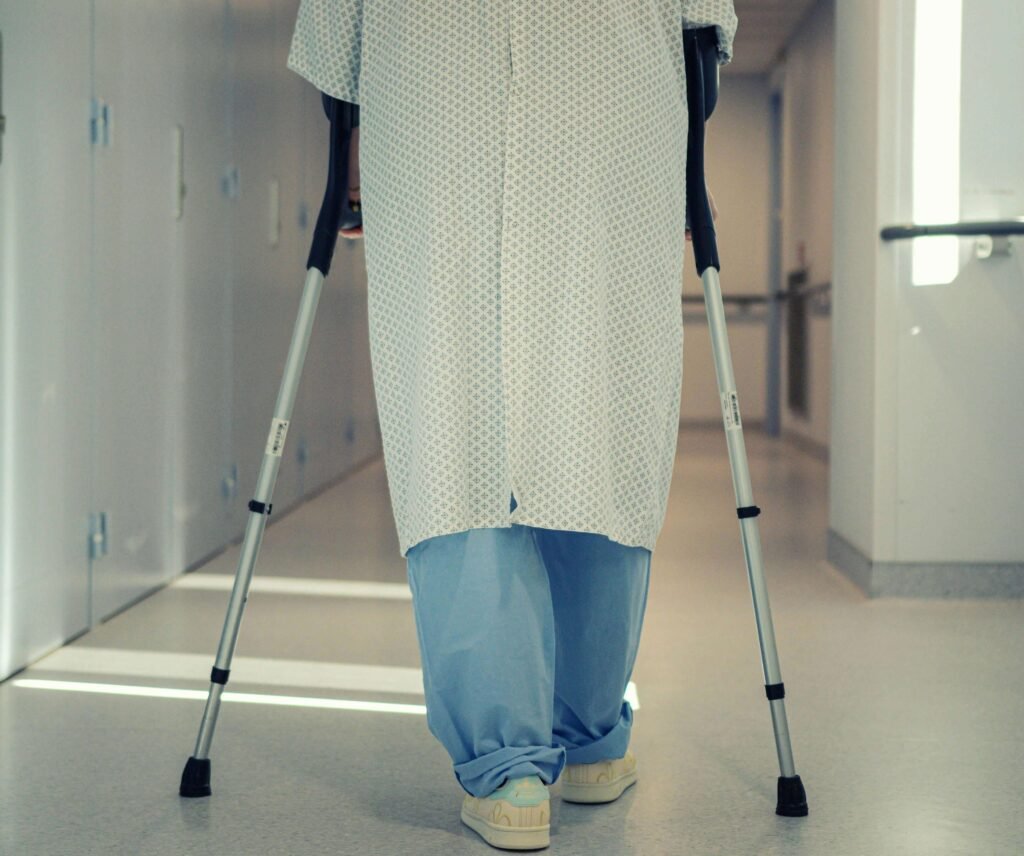
Even sitting up felt like a task.
Walking? That was a whole mission.
And then… the medicines started.

So many pills.
Morning. Afternoon. Night.
Some to stop rejection.
Some to prevent infection.
Some to manage side effects of other medicines.
I used to joke that I needed a timetable just to stay alive.
But deep down… it scared me.
Because missing even one dose didn’t feel like a small mistake.
It felt dangerous.
Always keep in mind, according to the National Kidney Foundation, post-transplant care and medication adherence are critical for long-term success.
The strangest part?
I was “better”…
but I didn’t feel normal.
My appetite changed.
During recovery, I had to rethink what I ate, focusing on foods that supported my healing and overall kidney health, including easy renal diet recipes for kidney health.
Some days I was hungry all the time.
Other days… even the smell of food felt too much.
My taste felt different.
Things I loved before… didn’t feel the same anymore.
And then there was the swelling.
My face looked puffier.
My body didn’t feel like mine.
I’d look in the mirror and pause…
trying to recognize myself.
People kept saying:
“You look so much healthier now.”
And I’d smile.
Because explaining what I actually felt…
was too complicated.

The tiredness didn’t just disappear either.
It was different from before.
Less heavy… but still there.
Like my body was slowly rebuilding itself…
piece by piece.
Then came the fear of infection.
That one changed how I lived.
Suddenly:
- I was careful about who I met
- I avoided crowded places
- Even a slight fever made my heart race
Because now… my immunity wasn’t the same.
And that reality stayed with me.
There were days I felt strong.
Like I could finally live normally again.
And then there were days…
when I felt like I was back at the beginning.
Recovery wasn’t a straight line.
No one tells you that.
It’s small things.
The first time you walk without help.
The first time you sleep peacefully.
The first time you laugh… without feeling tired after.
And slowly…
very slowly…
life starts coming back.
Eventually, I discovered I could still enjoy food without overtaxing my kidneys, trying out kidney-friendly recipes for a renal diet that nourished me and made me feel stronger.
Not the old life.
A new one.
You start understanding your body more.
You respect it.
You listen when it whispers.
Months later… I realized something.
This journey didn’t just heal my body.
It changed me.
I became more patient.
More aware.
More grateful for things I once ignored…
like having energy to get through a normal day.
If you’re going through this right now…
or about to…
There’s something I wish someone told me:
You don’t “bounce back.”
You rebuild.
And it takes time.
It takes patience.
It takes strength you don’t even know you have yet.
But one day…
you’ll wake up…
and realize you’re not just surviving anymore.
You’re living again.
For anyone reading this quietly
If no one has told you this yet:
You’re doing better than you think.
Even on the days it doesn’t feel like it.
💡 What No One Tells You About Life After Kidney Transplant
- Recovery is not instant — it happens gradually over weeks and months. In fact many people experience fatigue even after rest.
- Medications must be taken strictly on time every day
- Infection risk remains higher due to suppressed immunity
- Emotional ups and downs are completely normal
- Regular check-ups are essential for long-term success

🧠 Conclusion
Life after a kidney transplant is often seen as a second chance — and it is. But it’s also a journey filled with patience, adjustment, and quiet strength. Recovery doesn’t happen overnight, and it doesn’t look the same for everyone.
By understanding the physical changes, emotional challenges, and importance of post-transplant care, patients and families can move forward with more confidence.
In the end, it’s not just about surviving the surgery — it’s about slowly, gently rebuilding a life that feels whole again.
If this story felt familiar… you’re not alone.
Many people go through this silently — and understanding your body is the first step toward healing.
⚠️ Medical Disclaimer
This article is for informational and educational purposes only and is not a substitute for professional medical advice, diagnosis, or treatment. Always consult your doctor or a qualified healthcare provider regarding any medical condition or post-transplant care.
❓ FAQs
1. How long does it take to recover after a kidney transplant?
Recovery after a kidney transplant typically takes several weeks to months. While patients may feel better within weeks, full recovery, including strength and stability, can take longer depending on individual health.
2. What are common problems after a kidney transplant?
Common issues include medication side effects, risk of infection, fatigue, emotional stress, and the possibility of organ rejection if care instructions are not followed.
3. Can you live a normal life after a kidney transplant?
Yes, many people return to a normal and active life after a kidney transplant. However, it requires lifelong medication, regular check-ups, and maintaining a healthy lifestyle.
4. Why do transplant patients feel tired?
Fatigue after a kidney transplant can result from medications, the body adjusting to the new organ, or recovery from surgery. It usually improves gradually over time.
5. What foods should be avoided after a kidney transplant?
Patients are often advised to avoid undercooked foods, excessive salt, and certain processed items to reduce infection risk and support kidney health. Always follow a doctor-recommended diet plan.
6. How long can a kidney transplant last?
A kidney transplant can last 10–20 years or more, depending on lifestyle, medication adherence, and overall health.
1 thought on “Life after Kidney Transplant: Real Recovery & What No One Tells You”