
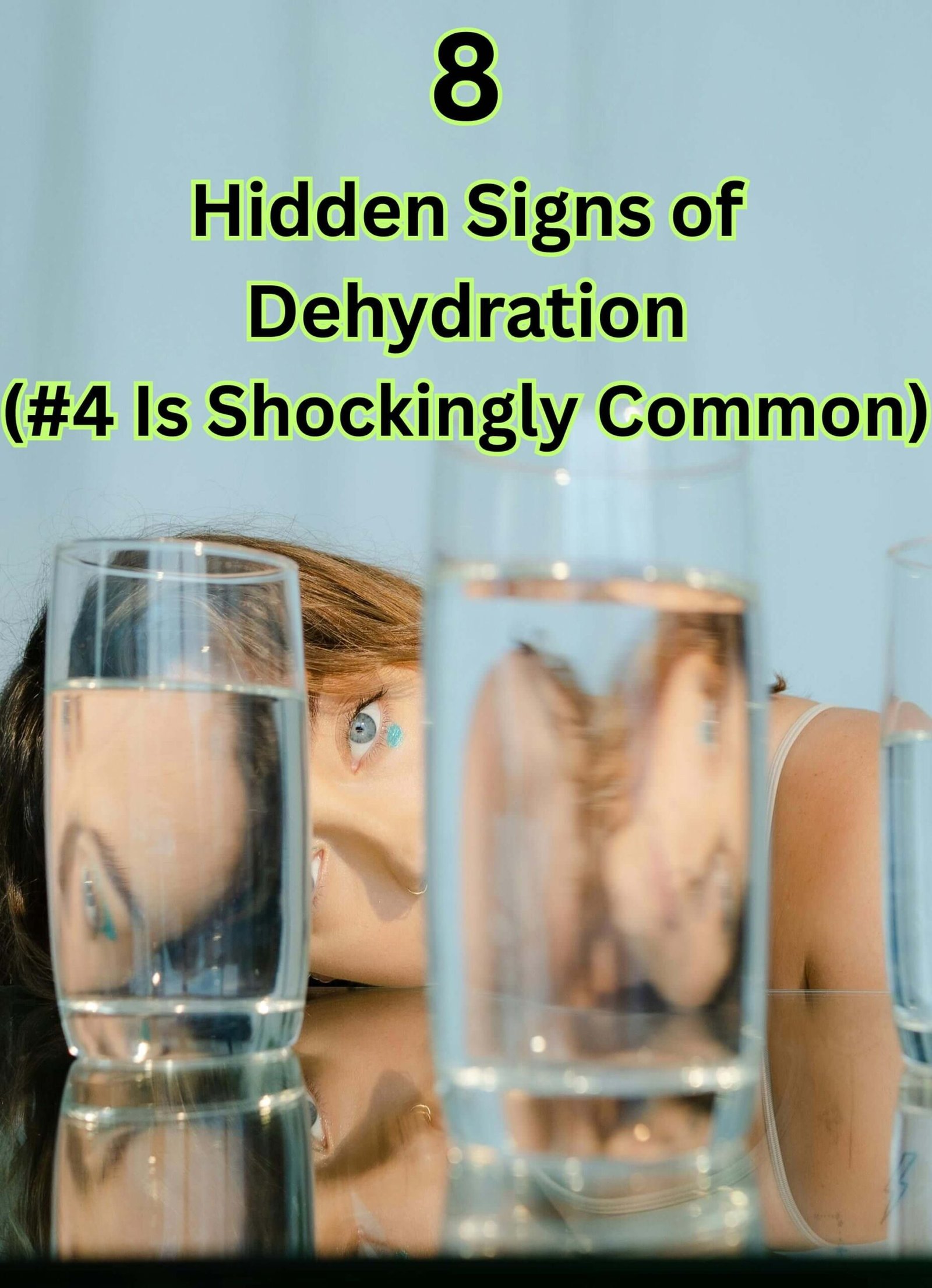
What Are the Hidden Signs of Dehydration?
Even before you feel thirsty, your body may show subtle signs of dehydration:
- Fatigue
- Dizziness
- Dry mouth or cracked lips
- Dark or strong-smelling urine
- Headaches or trouble concentrating
- Muscle cramps
- Dry, tight, or flushed skin
- Sudden sugar or salt cravings
Quick Self-Check: Are You Dehydrated?
If you notice 2 or more of these signs, your body likely needs more fluids:
- Fatigue
- Dizziness (especially when standing up quickly)
- Dark urine
- Headache
- Sugar or salt cravings
Recognizing these early symptoms helps maintain energy, focus, and overall health.
1. Constant Fatigue
Low fluid levels reduce blood volume, forcing your heart to work harder and leaving you drained. Feeling tired for no reason may be your body signaling dehydration. To help combat fatigue, you can include energy-boosting foods from 10 Renal Diet Recipes – Easy & Delicious Meals for Kidney Health in your daily meals.

2. Dry Mouth or Cracked Lips
Reduced saliva production leads to dry mouth and cracked lips, even if you’re drinking water regularly.

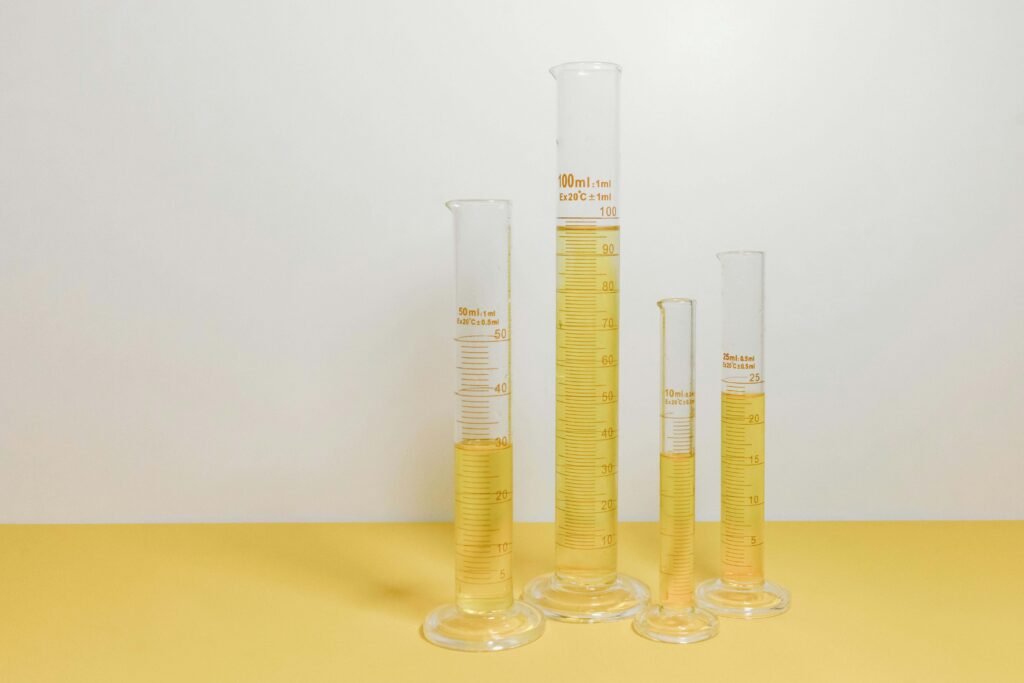
3. Dark or Strong-Smelling Urine
Dark yellow or strong-smelling urine means your kidneys are conserving water. Clear or pale urine indicates proper hydration. To support hydration naturally, try including water-rich 12 Foods That Reduce Inflammation Naturally in your diet.
Tip: Monitor urination frequency — fewer trips to the bathroom may indicate dehydration.
4. Dizziness or Light-Headedness — Most Frequently Overlooked Signal
Low fluid levels reduce blood volume, which can drop blood pressure when standing quickly. Your brain receives less oxygen temporarily, causing dizziness or lightheadedness. Often attributed to poor sleep or stress, feeling dizzy when standing up is a clear signal your body needs fluids.

5. Headaches or Trouble Concentrating
Even mild dehydration reduces blood flow to the brain, triggering headaches or mental fog.

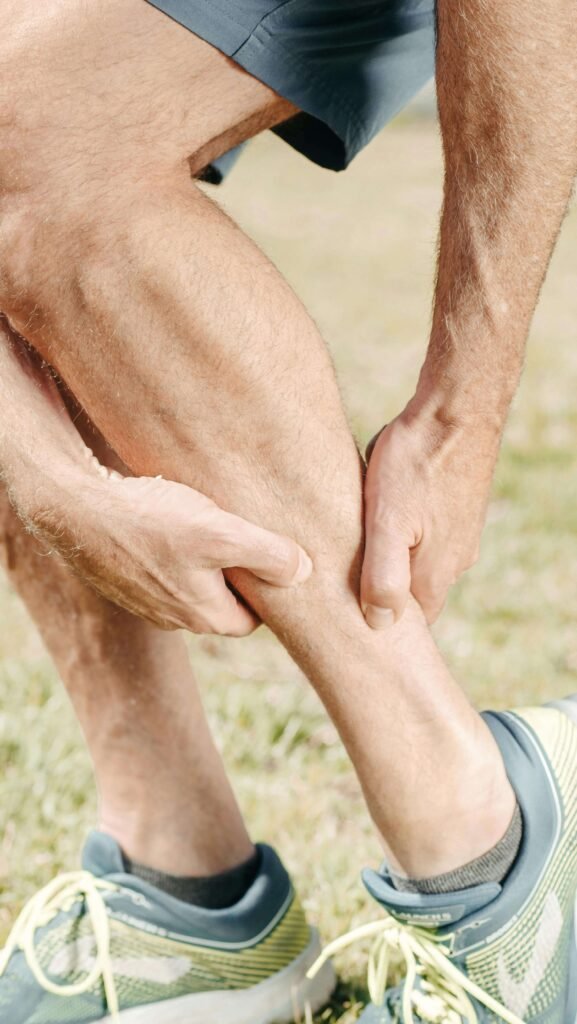
6. Muscle Cramps
Muscles need water and electrolytes to function. Low fluids can cause cramps, especially after physical activity or heat exposure.
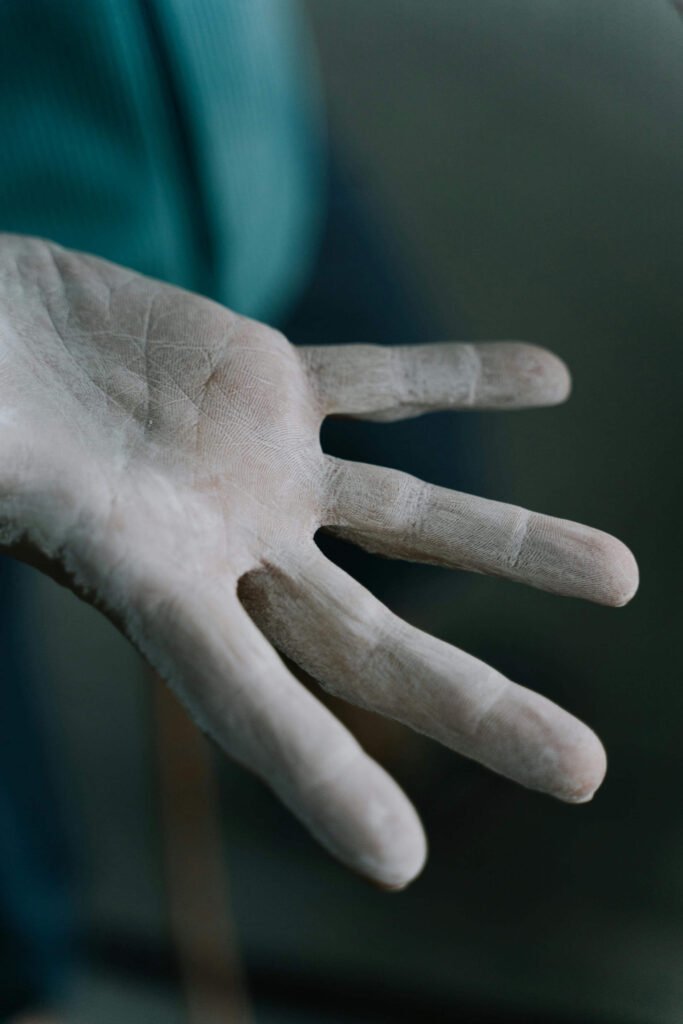
7. Dry, Tight, or Flushed Skin
Dehydrated skin loses elasticity, becomes tight, or reacts strongly to heat.
8. Sudden Sugar or Salt Cravings
Dehydration can mimic hunger or signal electrolyte imbalance, leading to sugar or salt cravings. Your body may be asking for sodium, potassium, or other minerals lost through sweat.

What Happens to Your Body When You Are Dehydrated?
- Blood volume decreases → circulation slows
- Brain receives less oxygen → headaches, dizziness, poor focus
- Muscles lose electrolytes → cramps, fatigue
- Digestion slows → bloating or constipation
Even mild dehydration can impact your energy, mood, and performance within hours.
How Much Water Should You Drink Daily?
| Group | Recommended Daily Intake |
| Women | About 2.7 liters (11 cups) |
| Men | About 3.7 liters (15 cups) |
| Active / Hot Weather | More depending on sweat loss |
Consistently drinking water throughout the day helps prevent hidden signs of dehydration. For expert guidance on daily water intake, check out the Mayo Clinic’s hydration recommendations.
Practical Hydration Tips
| Tip | Why It Helps |
| Drink water consistently | Maintains blood volume and overall hydration |
| Eat water-rich foods (cucumber, watermelon, oranges, soups) | Supports fluid intake naturally through food |
| Add natural electrolytes (banana, coconut water) | Helps balance sodium, potassium, and magnesium levels |
| Avoid excessive caffeine and sugar | Prevents fluid loss and dehydration |
| Check urine color and frequency | Provides an easy home check for hydration status |
| Keep a refillable water bottle handy | Makes it easy to maintain hydration throughout the day |
Conclusion
Hidden signs of dehydration often appear before thirst. Fatigue, dizziness, headaches, and unusual cravings are early signals that your body needs more fluids. Recognizing these subtle symptoms and maintaining consistent hydration habits protects your energy, focus, and overall health.
Medical Disclaimer
This content is for informational purposes only and does not replace professional medical advice. If symptoms persist, consult a healthcare professional.
FAQs
Q1: What are the hidden signs of dehydration?
A: Fatigue, dizziness, dry mouth, dark urine, headaches, muscle cramps, dry skin, and unusual cravings.
Q2: Why do I feel dehydrated even when I drink water?
A: Hydration depends on absorption, retention, electrolytes, activity, and heat — drinking water alone may not prevent hidden dehydration.
Q3: Can mild dehydration affect mood and focus?
A: Yes — even mild dehydration can reduce concentration, increase irritability, and trigger brain fog.
Q4: How can I check dehydration at home?
A: Monitor urine color and frequency, note fatigue or dizziness, and observe thirst cues.
Q5: Are some people more at risk?
A: Older adults, children, active individuals, and those in hot climates are more vulnerable.
Q6: How long does it take to recover from mild dehydration?
A: Usually a few hours with proper water and electrolyte intake.
Q7: How can I prevent hidden dehydration?
A: Drink water consistently, eat water-rich foods, balance electrolytes, avoid excessive caffeine, and check urine color regularly.
3 thoughts on “8 Hidden Signs of Dehydration (#4 Is Shockingly Common)”