
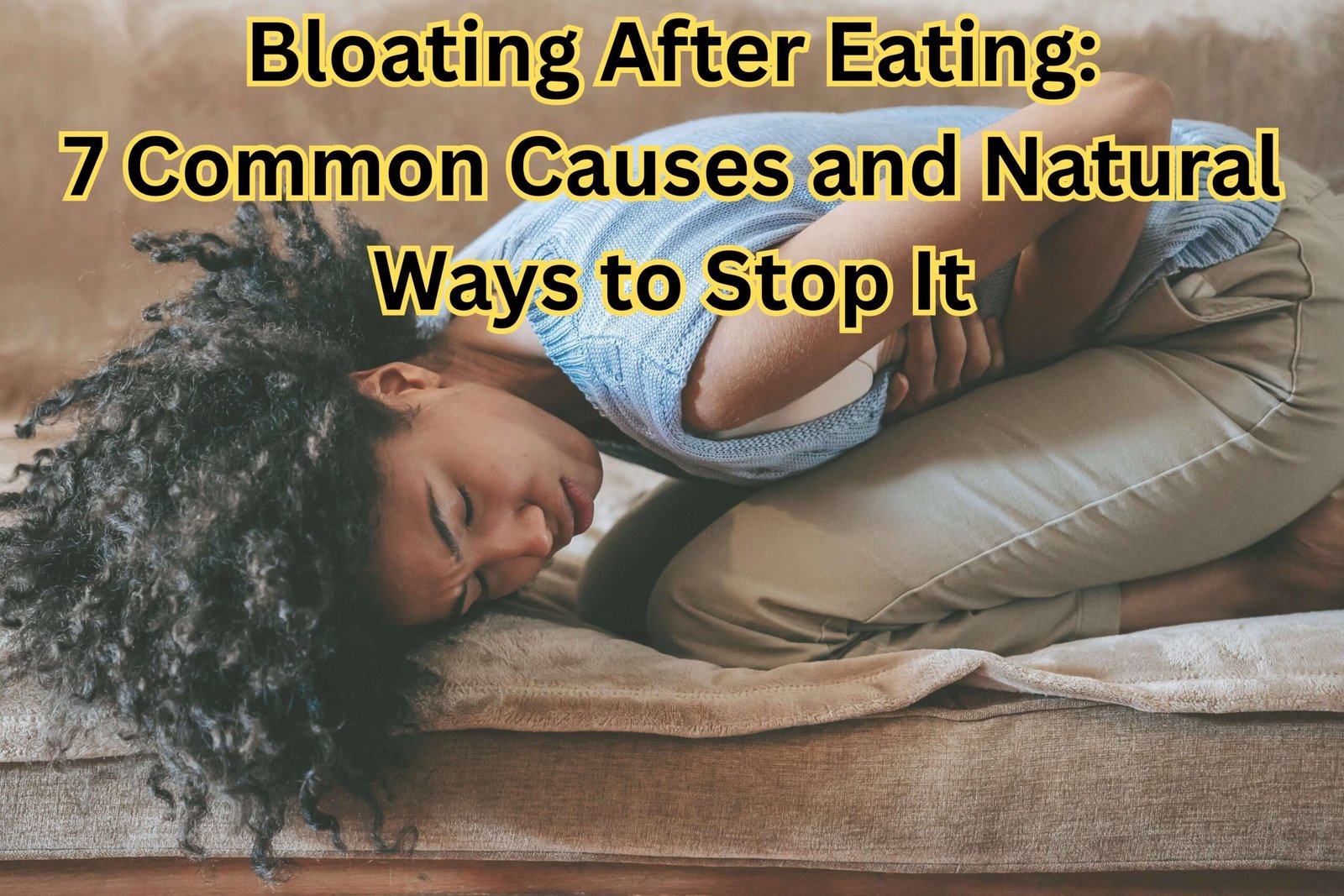
Why do I feel bloated after eating?
Feeling bloated after eating often occurs when excess gas forms during digestion or when certain foods irritate the digestive system. Eating too quickly, food intolerances, carbonated drinks, and large meals are common triggers of stomach bloating after meals.
Bloating after eating is a common digestive issue that affects many people. Your stomach may feel tight, swollen, or uncomfortable shortly after a meal. While occasional bloating is usually harmless, frequent stomach bloating after eating can be frustrating and may signal digestive habits that need improvement.
In many cases, bloating happens when gas builds up in the digestive system or when food takes longer to break down in the stomach. Eating too quickly, consuming certain foods, or drinking carbonated beverages can all contribute to bloating after meals.
According to digestive health specialists at the Mayo Clinic, abdominal bloating often occurs when the gastrointestinal tract becomes filled with gas or air during digestion. Understanding the causes of bloating after eating can help you make simple changes that improve digestion and reduce discomfort.

Common Symptoms of Bloating After Eating
People experience bloating differently, but the most common symptoms include:
- A tight or swollen feeling in the abdomen
- Visible stomach swelling
- Gas or flatulence
- Frequent burping
- Mild abdominal discomfort
These symptoms typically appear shortly after eating and may last from a few minutes to several hours depending on digestion.
7 Common Causes of Bloating After Eating
1. Eating Too Fast
Eating quickly can cause you to swallow excess air along with your food. This extra air may become trapped in the digestive tract, leading to bloating and gas.
Fast eating can also make it easier to overeat because your body doesn’t have enough time to signal fullness.
What helps?
Slow down during meals and chew food thoroughly. Proper chewing helps digestion start in the mouth and reduces air swallowing.
2. Gas-Producing Foods
Some foods naturally create more gas during digestion.
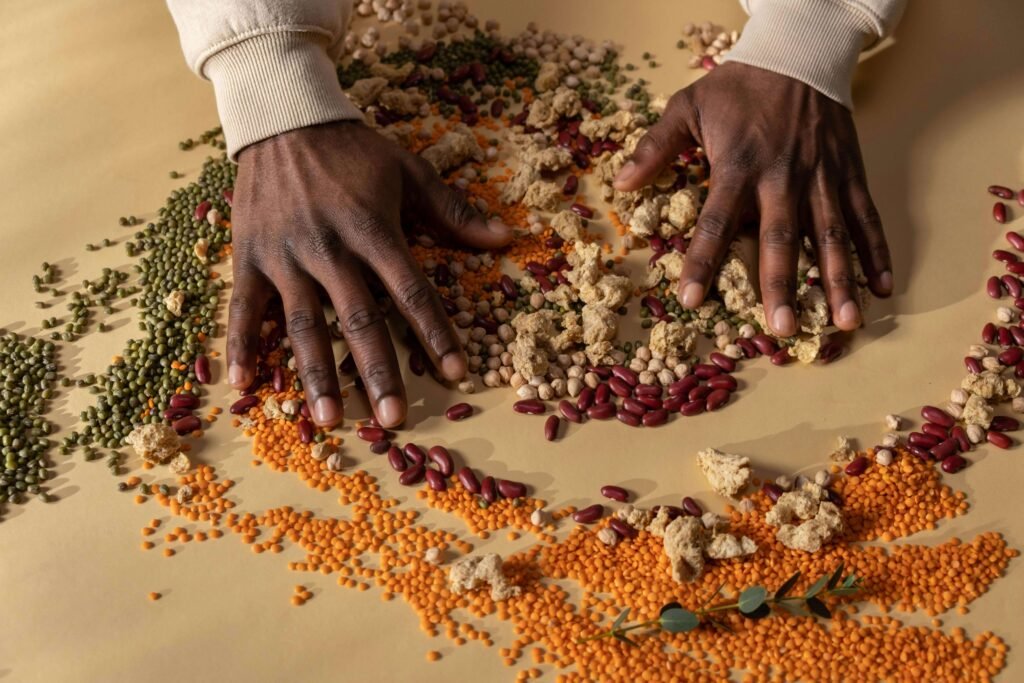
Common foods that may cause bloating include:
- Beans and lentils
- Broccoli and cabbage
- Onions
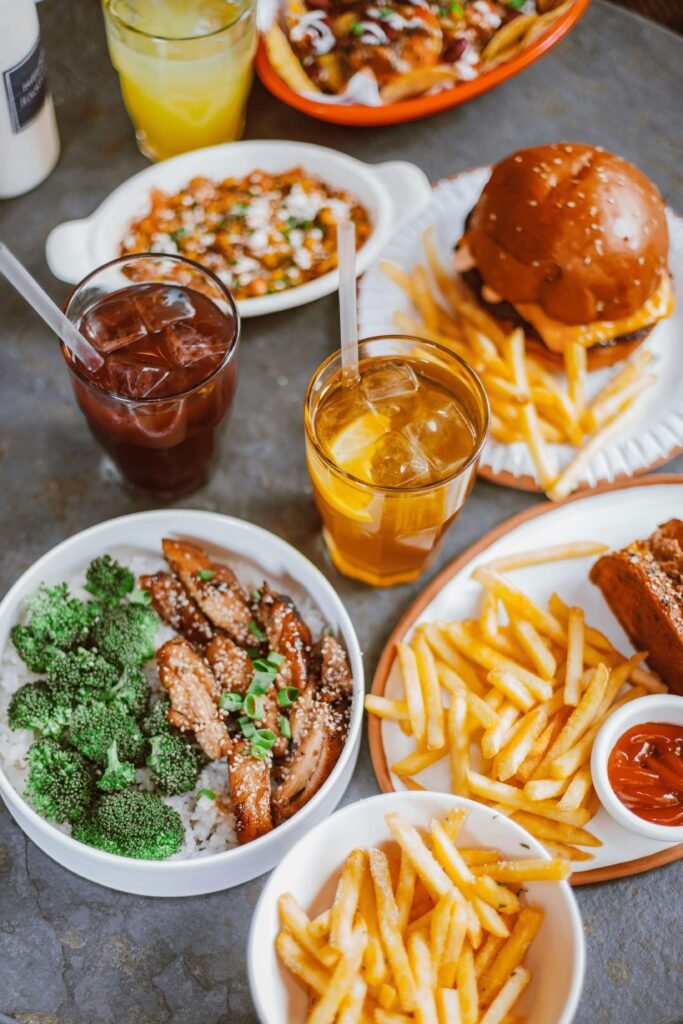
- Carbonated drinks
These foods ferment in the gut and release gas during digestion.
What helps?
Instead of avoiding these foods completely, introduce them gradually and monitor how your body responds.
3. Food Intolerances
Food intolerances are a frequent cause of bloating after eating. When your body cannot properly digest certain ingredients, gas and discomfort can develop.
Common examples include:
- lactose intolerance (difficulty digesting dairy)
- gluten sensitivity (reaction to wheat proteins)
What helps?
Pay attention to foods that trigger symptoms and consider reducing them if bloating occurs frequently.
4. Overeating
Large meals can put extra pressure on the digestive system. When the stomach becomes overly full, digestion slows and gas can accumulate.
This can cause:
- stomach pressure
- heaviness after meals
- visible stomach swelling
What helps?
Eating smaller portions more frequently may help reduce bloating after meals.
5. Too Much Salt
High sodium intake can cause the body to retain water. Water retention can lead to a swollen or bloated feeling in the stomach.
Processed foods often contain large amounts of sodium.
What helps?
Choose fresh foods and reduce packaged or highly processed meals.
6. Poor Gut Health
Your digestive system depends on a balance of beneficial bacteria to break down food properly. When this balance becomes disrupted, digestion may slow and gas production can increase.
The National Institute of Diabetes and Digestive and Kidney Diseases explains that maintaining healthy digestion is essential for preventing gastrointestinal discomfort.
You may also benefit from gentle movement exercises that support digestion. For example, practices like Tai Chi can improve body awareness and digestive balance.
What helps?
Include foods that support gut bacteria such as yogurt, fiber-rich fruits, and vegetables.
7. Carbonated Drinks
Carbonated drinks like soda contain carbon dioxide gas. When consumed, this gas may accumulate in the stomach and lead to bloating.
What helps?
Replace soda with water, herbal tea, or natural fruit-infused drinks.
How to Reduce Bloating After Eating Naturally
If you frequently experience bloating after eating, these simple lifestyle habits may help improve digestion.
- Eat slowly and chew food thoroughly
- Avoid drinking too many carbonated beverages
- Reduce highly processed foods
- Drink enough water during the day
- Include probiotic foods like yogurt
- Stay physically active to support digestion
A helpful habit is taking a short 10-minute walk after meals, which may support digestion and reduce gas buildup.
Foods That May Help Reduce Bloating
Some foods may support digestion and help reduce bloating naturally.
Examples include:
- Ginger – supports digestive movement
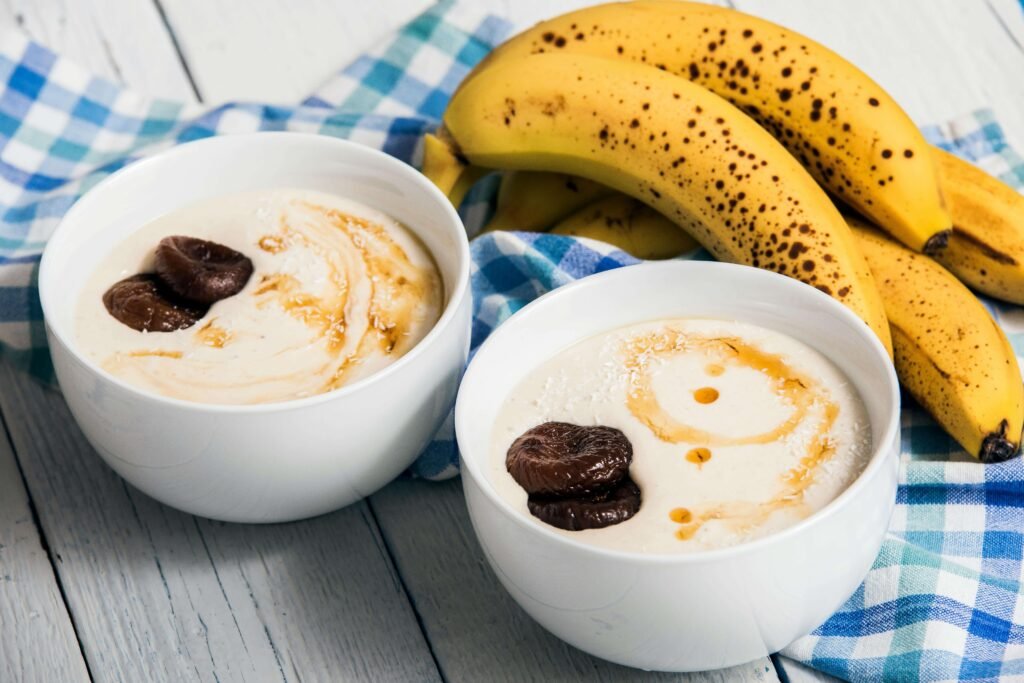
- Bananas – help balance sodium levels
- Yogurt – contains beneficial probiotics
- Peppermint tea – may relax digestive muscles
- Papaya – contains digestive enzymes
Regularly including these foods in your diet may help support healthy digestion.
When Should You See a Doctor for Bloating?
Occasional bloating after eating is normal. However, persistent or severe symptoms should be evaluated by a healthcare professional.

Seek medical advice if bloating occurs with:
- severe abdominal pain
- unexplained weight loss
- persistent constipation or diarrhea
- nausea or vomiting
Many people describe the sensation as a bloated stomach after eating, where the abdomen feels tight and uncomfortable.
Conclusion
Bloating after eating is extremely common and usually related to everyday eating habits. Eating too quickly, consuming gas-producing foods, drinking carbonated beverages, or overeating can all contribute to stomach bloating after meals.
Understanding the causes of bloating after eating can help you make small lifestyle changes that improve digestion and reduce discomfort over time.
Fortunately, small changes such as eating slowly, choosing balanced foods, and supporting gut health can make a significant difference. By paying attention to your body’s signals, you can identify triggers and enjoy meals without the discomfort of frequent bloating.
Disclaimer
This article is for informational purposes only and does not replace professional medical advice. If you experience persistent digestive symptoms, consult a qualified healthcare professional.
FAQs
Why do I feel bloated after eating every meal?
Frequent bloating after eating may be related to food intolerances, eating habits, or digestive imbalances.
How long does bloating after eating usually last?
Bloating may last from 30 minutes to several hours depending on digestion and food choices.
Is bloating after eating normal?
Occasional bloating after eating is normal and often related to diet or eating habits. However, persistent or severe bloating should be evaluated by a healthcare professional.
What relieves bloating quickly after eating?
Gentle walking, peppermint tea, and drinking warm water may help relieve bloating quickly after meals.
Can drinking water help reduce bloating?
Yes. Drinking water supports digestion and may reduce bloating caused by high sodium intake.
What foods cause the most bloating?
Beans, carbonated drinks, dairy products for lactose-intolerant individuals, and highly processed foods are common triggers.
3 thoughts on “Bloating After Eating: 7 Common Causes and Natural Ways to Stop It”