
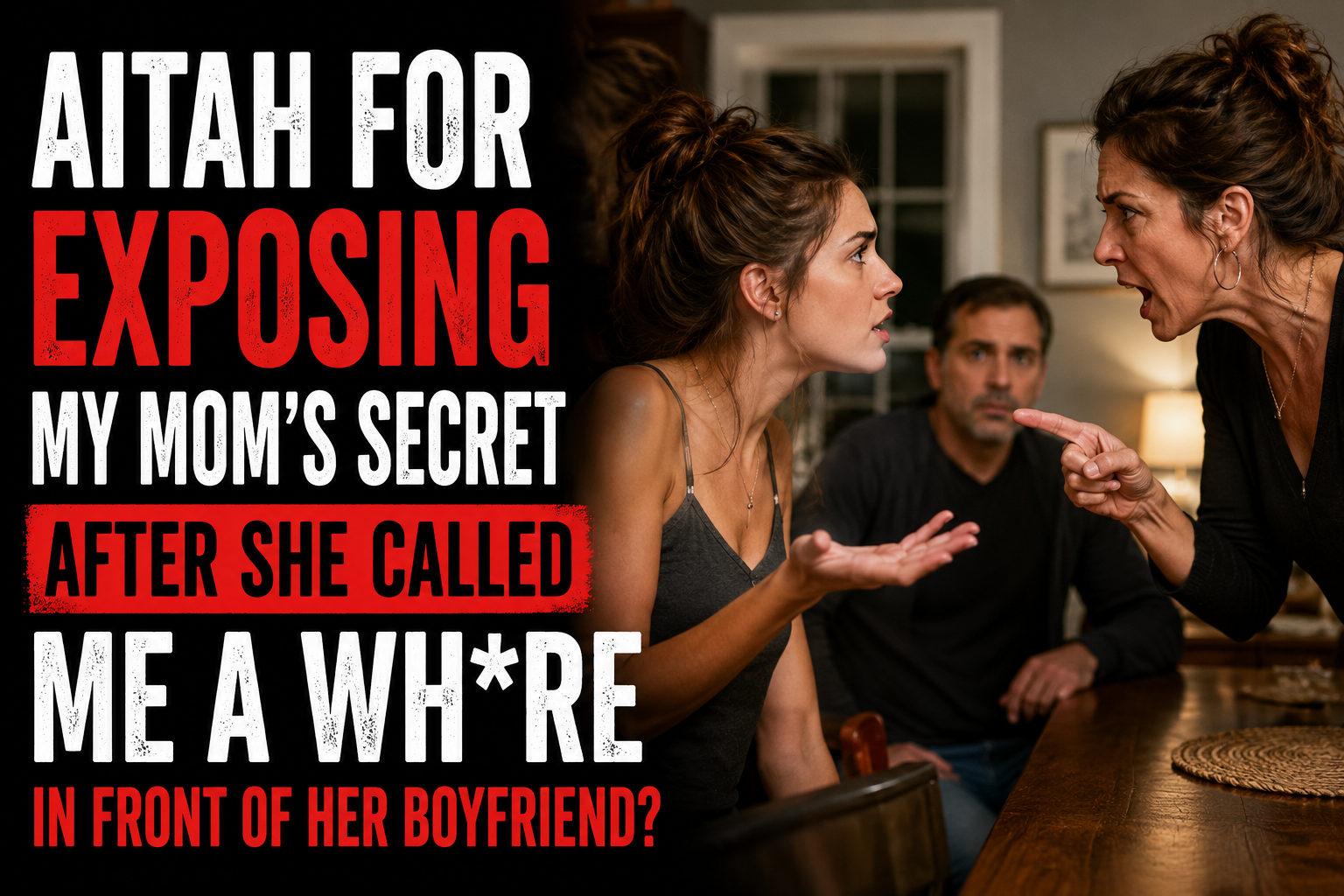
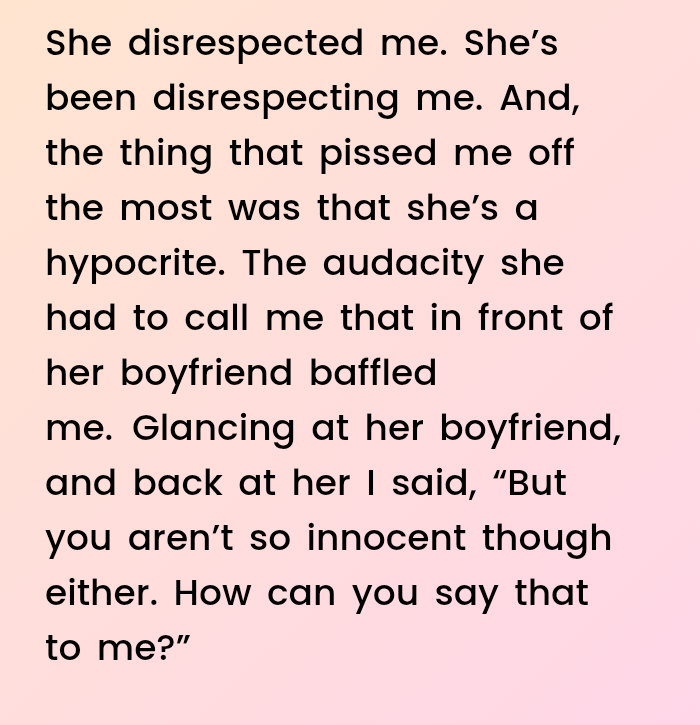
A 19-year-old woman has long struggled with her mother’s harsh criticism of her personal life.
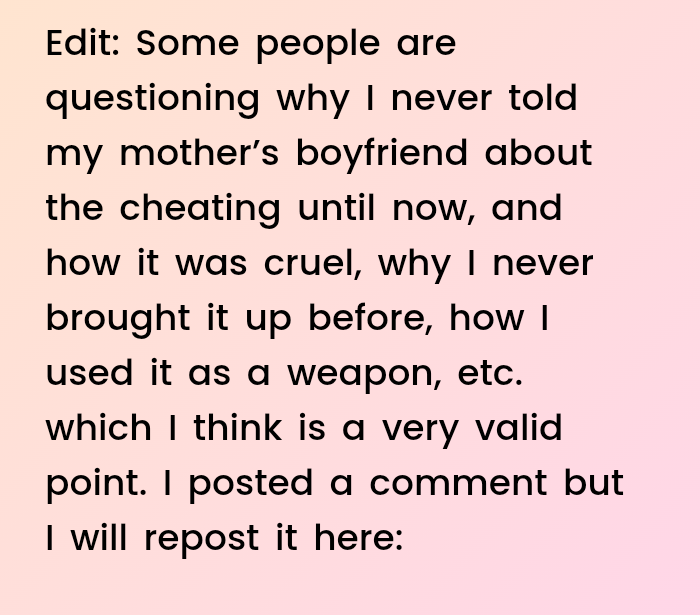
Although she lives independently, her mother continues to shame her for being s*xually active, repeatedly calling her degrading names and even discussing her private life with her own boyfriend.
What should have been a pleasant dinner at the daughter’s home quickly turns into another painful confrontation when her mother publicly insults her in front of everyone.
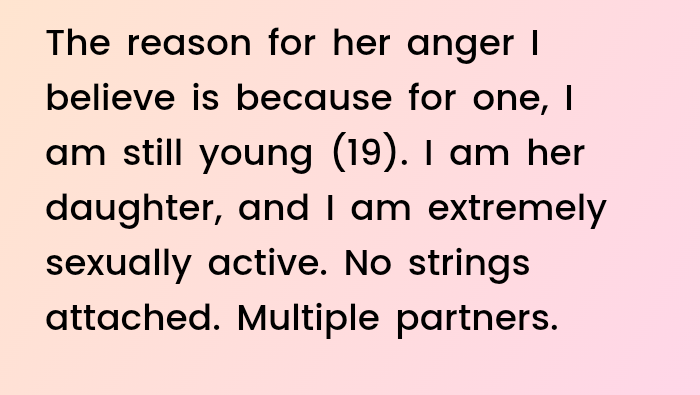
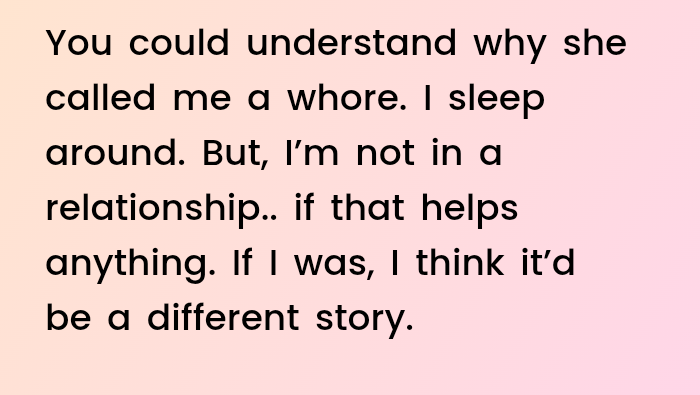
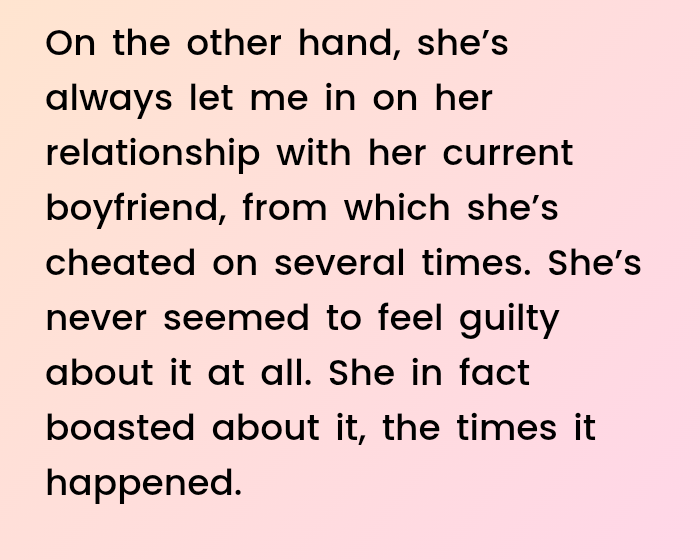
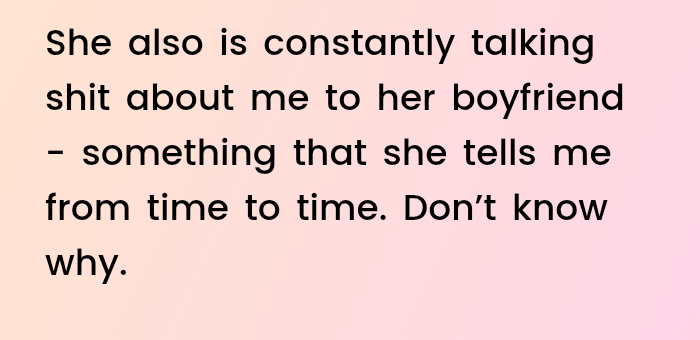
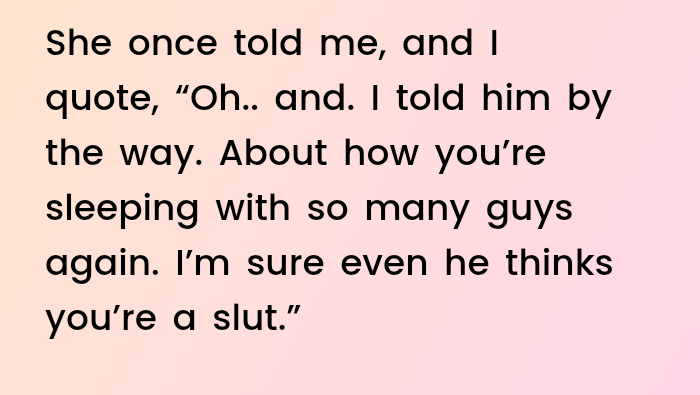
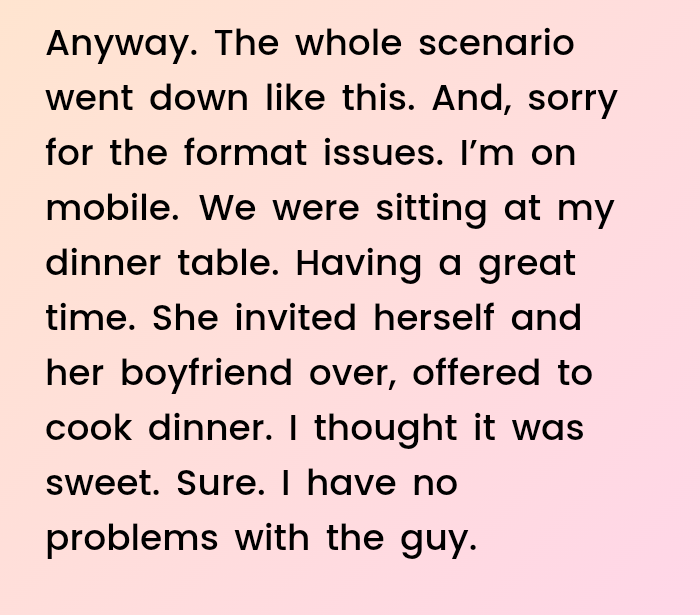
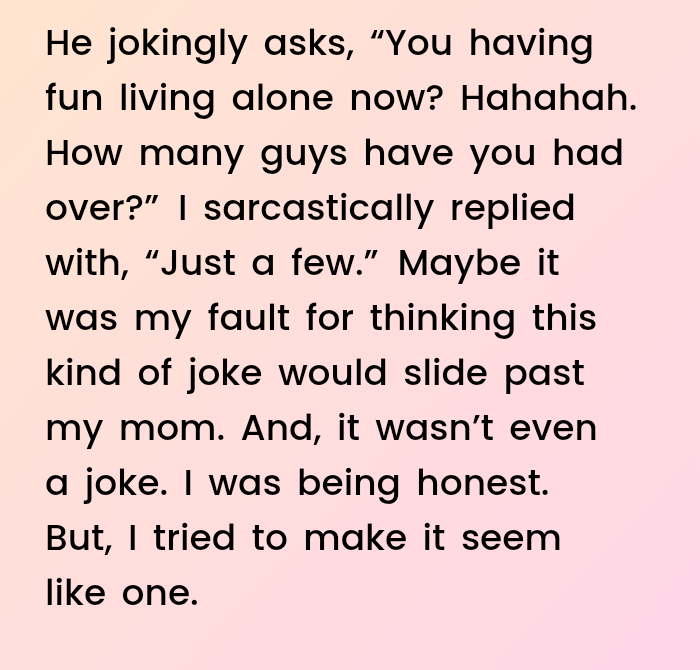
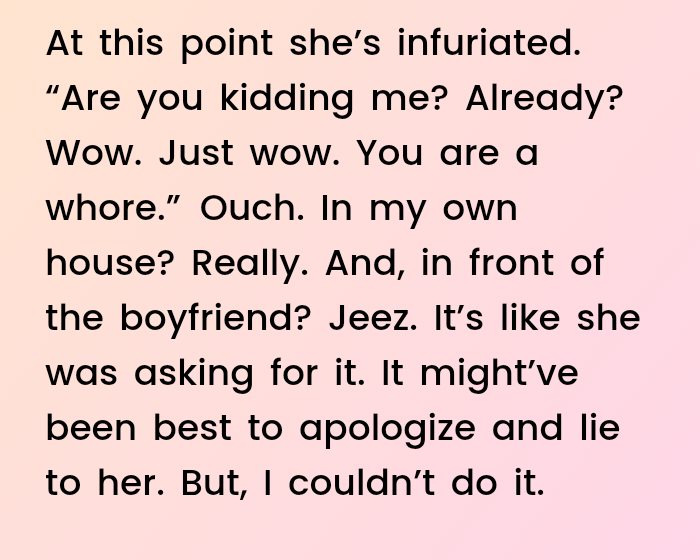
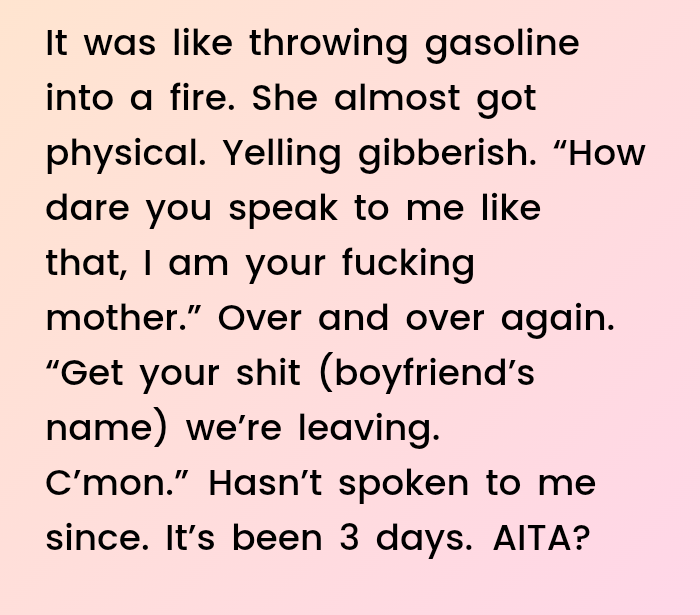
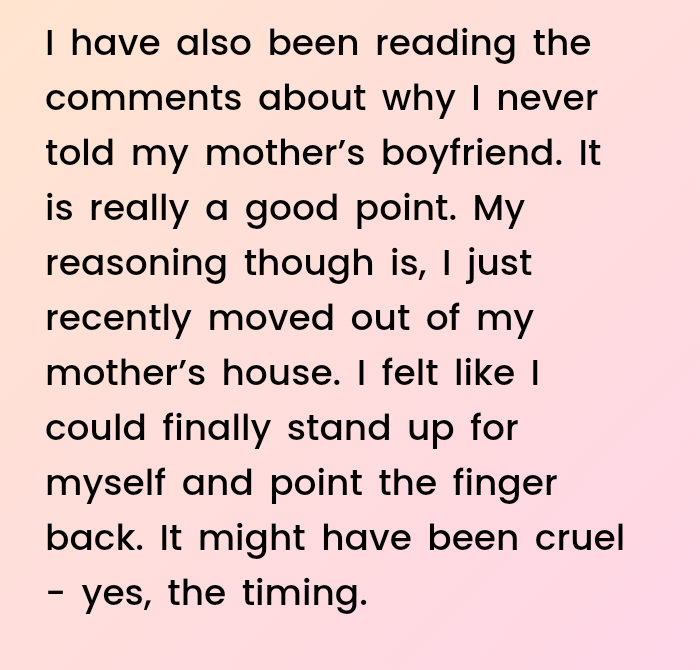
Feeling humiliated and fed up after years of verbal attacks, the daughter finally pushes back by reminding her mother that she isn’t exactly innocent herself.
The comment shocks everyone at the table, leading to a heated argument and an abrupt end to the evening.
Now, with communication completely broken down, she’s left wondering whether standing up for herself crossed a line or whether years of disrespect had simply reached a breaking point.
Analysis: What This Situation Really Reveals
This story isn’t really about someone’s s*x life.
It’s about respect, emotional boundaries, and what happens when hurtful words become normal within a family.
Parents and children don’t have to agree on every life choice. Differences in values are part of every generation. But there’s an important difference between expressing concern and repeatedly using insults to shame someone.
Words like “wh*re,” “slut,” or other degrading labels don’t teach.
They wound.
When those words come from a parent, they often leave scars that last much longer than people realize. A parent is usually one of the first people a child looks to for acceptance. When that acceptance is replaced with humiliation, it can slowly affect confidence, self-worth, and even the ability to build healthy relationships later in life.
It’s also understandable why someone eventually reaches a breaking point.
People can tolerate disrespect for only so long before they respond. That doesn’t always mean the response is perfect, but it does remind us that unresolved hurt rarely stays buried forever.
The Hidden Cost Of Verbal Abuse
Many people think abuse only means physical violence.
In reality, repeated verbal humiliation can be just as damaging.
Constant criticism, name-calling, public embarrassment, and personal attacks can increase the risk of anxiety, depression, low self-esteem, and feelings of worthlessness. Over time, people may begin to believe the negative labels they’ve heard for years.
That’s why psychologists often describe emotional abuse as something that chips away at a person’s identity little by little.
The damage isn’t always visible.
But it’s very real.
The Bigger Impact On Society
Stories like this highlight a problem that exists in many families.
Conversations about s*xuality are often replaced by shame.
Instead of creating safe spaces where young adults can ask questions, make responsible choices, and seek guidance without fear, some families rely on judgment and humiliation. Unfortunately, shame rarely changes behavior in healthy ways.
It usually creates secrecy.
This story also reminds us that double standards still exist.
Society often judges women far more harshly than men for the same behaviors. Whether someone agrees with another person’s lifestyle or not, basic respect should never depend on personal choices that don’t harm others.
Another important lesson is about privacy.
Adult children deserve autonomy. Parents can offer advice, express concern, and share their values, but publicly discussing an adult child’s private s*x life or using it as gossip crosses healthy boundaries.
What Can We Learn From This?
Healthy families communicate without humiliation.
If you’re worried about someone you love, ask questions before making accusations.
Instead of saying, “What’s wrong with you?”
Try asking, “Are you okay?” or “Can we talk about what’s been worrying me?”
Those conversations build trust instead of walls.
If you’re the person constantly being criticized, remember this.
Setting boundaries isn’t disrespect.
You can love someone while refusing to accept language that tears you down. Protecting your mental health doesn’t mean you don’t care about your family. It means you’re recognizing that respect has to exist on both sides.
A Better Way Forward
Families don’t become stronger by winning arguments.
They become stronger by listening.
Parents can guide without controlling. Adult children can stand up for themselves without carrying guilt for every boundary they set. And when conflicts become too painful to resolve alone, family counseling or individual therapy can provide a safe place to rebuild communication.
Finally, if this story resonates with you because you’ve experienced verbal abuse, know this.
The names people call you are not your identity.
You are not defined by someone else’s anger, judgment, or opinions. Healthy relationships, whether with family, friends, or partners, are built on respect, empathy, and honest communication, not humiliation.
Everyone deserves to be spoken to with dignity, especially by the people who are supposed to love them the most.