
I’m 27F, and one of my closest friends, “Leigh” (28F), has been married to her husband (30M) for several years. Up until recently, I would’ve described our friendship as solid. We hung out regularly, celebrated birthdays together, and I genuinely thought she was someone I’d have in my life for a long time.
Then everything exploded.
A few days ago, Leigh called me completely hysterical.
At first I thought someone had been hurt or that there had been some kind of family emergency.
Instead, she told me she’d caught her husband sitting alone in his car, j*rking off while looking through my Instagram photos.
I honestly didn’t even know how to respond.
I felt gross.
Embarrassed.
Uncomfortable.
Mostly, I was shocked that I’d somehow become part of a situation I knew absolutely nothing about.
I immediately told her how sorry I was that she’d had to experience something like that.
But then the conversation took a turn I never saw coming.
She told me I needed to speak to her husband and tell him to stop looking at my pictures.
At first I thought she was joking.
She wasn’t.
She genuinely believed it was my responsibility to fix the situation because, in her words, I “owed” her as a friend.
I asked her how exactly I was supposed to control what a grown man chooses to do in private.
I never sent him anything.
I’ve never flirted with him.
I’ve never messaged him outside of normal group conversations.
The only thing he had access to were the same public Instagram photos that everyone else can see.
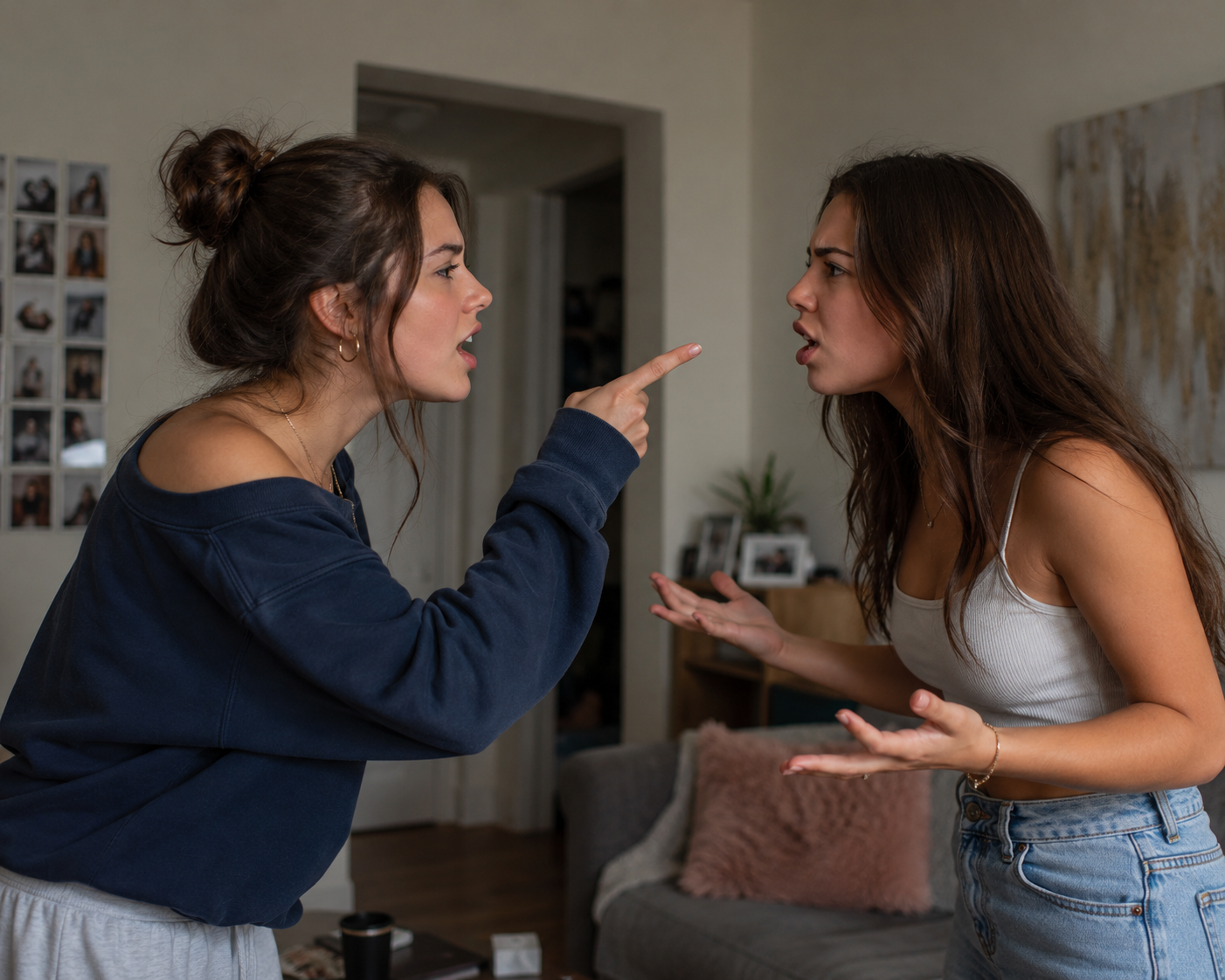
When I told her I wasn’t comfortable inserting myself into their marriage or confronting her husband over something he chose to do, she completely lost it.
She accused me of leading him on.
She claimed I’d been trying to come between their marriage.
Then she said I was refusing to help because I secretly enjoyed the attention.
I couldn’t believe what I was hearing.
Within a day, I started finding out she’d been telling mutual friends that I was partly responsible for what happened.
According to her version of events, I’d been posting pictures specifically to get her husband’s attention and now I was refusing to “fix” the mess I’d supposedly created.
That was the moment I decided I wasn’t going to stay quiet.
I made a post on my Instagram explaining my side of the story.
I didn’t insult her.
I didn’t expose private messages.
I simply explained that I’d been accused of causing problems in someone else’s marriage because her husband had been looking at my social media without my knowledge.
I wanted people to hear my side before the rumors completely got out of control.
Now Leigh is furious.
She says I made a private issue public and embarrassed her even more than her husband already had.
Some of our mutual friends agree that I had every right to defend myself after my name was dragged through the mud.
Others think I should’ve kept everything private, no matter what she was saying about me.
One of our closest mutual friends even told me that although Leigh was wrong to spread rumors, I also crossed a line by responding publicly instead of handling it behind closed doors.
Now I’m second-guessing everything.
I never wanted to become part of someone else’s relationship drama.
I certainly never expected to be blamed for another adult’s choices.
All I wanted was to protect my own reputation after someone started telling people I was responsible for destroying a marriage.
So now I’m left wondering…
AITAH for refusing to confront my friend’s husband and then publicly defending myself after she started accusing me of ruining her marriage?
Analysis: What This Situation Really Reveals
At first glance, this story seems like it’s about Instagram photos. But if you look a little closer, it’s really about something much bigger: boundaries, accountability, misplaced blame, and how easily trust can unravel when emotions take over.
Finding out that your spouse is using someone else’s photos for personal gratification would be incredibly painful for most people. Feelings of betrayal, embarrassment, insecurity, and anger are completely understandable. The emotional shock can make it feel like your entire relationship has been turned upside down overnight.
The problem is that when people are overwhelmed by those emotions, they sometimes direct their anger at the wrong person.
Psychologists even have a term for this. It’s called displaced blame. Instead of confronting the person who actually made the hurtful decision, it’s often emotionally easier to focus on someone else. In many cases, that “someone else” becomes the friend, coworker, or acquaintance whose only real involvement was existing.
That’s why situations like this can become so messy.
One person’s poor decision suddenly turns into a friendship falling apart, mutual friends taking sides, social media drama, and relationships that may never fully recover.
Social media has also changed the way these situations play out. Millions of people share photos online every day, whether it’s vacation pictures, selfies, family moments, or fitness updates. Posting a photo doesn’t automatically mean someone is seeking romantic or intimate attention. Every individual is still responsible for how they choose to view or respond to that content.
That’s an important distinction.
Someone else’s inappropriate behavior should never automatically become another person’s responsibility.
Another lesson from this story is how quickly rumors can spread. Once accusations start circulating, people often feel they have no choice but to defend themselves publicly. While it’s usually best to keep personal conflicts private, protecting your own reputation is also understandable when false stories begin damaging your friendships or character.
This is why healthy communication matters so much.
Instead of shifting blame onto outsiders, couples facing trust issues should focus on honest conversations with each other. If feelings of insecurity, disappointment, or betrayal aren’t addressed directly, resentment often grows until it affects everyone around them, including friends and family who had nothing to do with the original problem.
For anyone reading this who has ever found themselves unfairly blamed for someone else’s relationship issues, here’s something worth remembering: you are not automatically responsible for another adult’s choices. Setting boundaries doesn’t make you a bad friend, and refusing to solve problems that aren’t yours doesn’t make you selfish.
The healthiest way forward is accountability. The spouse who crossed the line should take responsibility for their actions. The couple should decide together how they want to rebuild trust, whether through honest conversations, clearer boundaries, or professional counseling if needed. Friends, meanwhile, shouldn’t be forced into the middle of conflicts they didn’t create.
At the end of the day, relationships thrive when people take ownership of their own actions instead of searching for someone else to blame. Accountability, respect, and open communication may not erase the hurt overnight, but they’re far more likely to heal relationships than accusations ever will.