
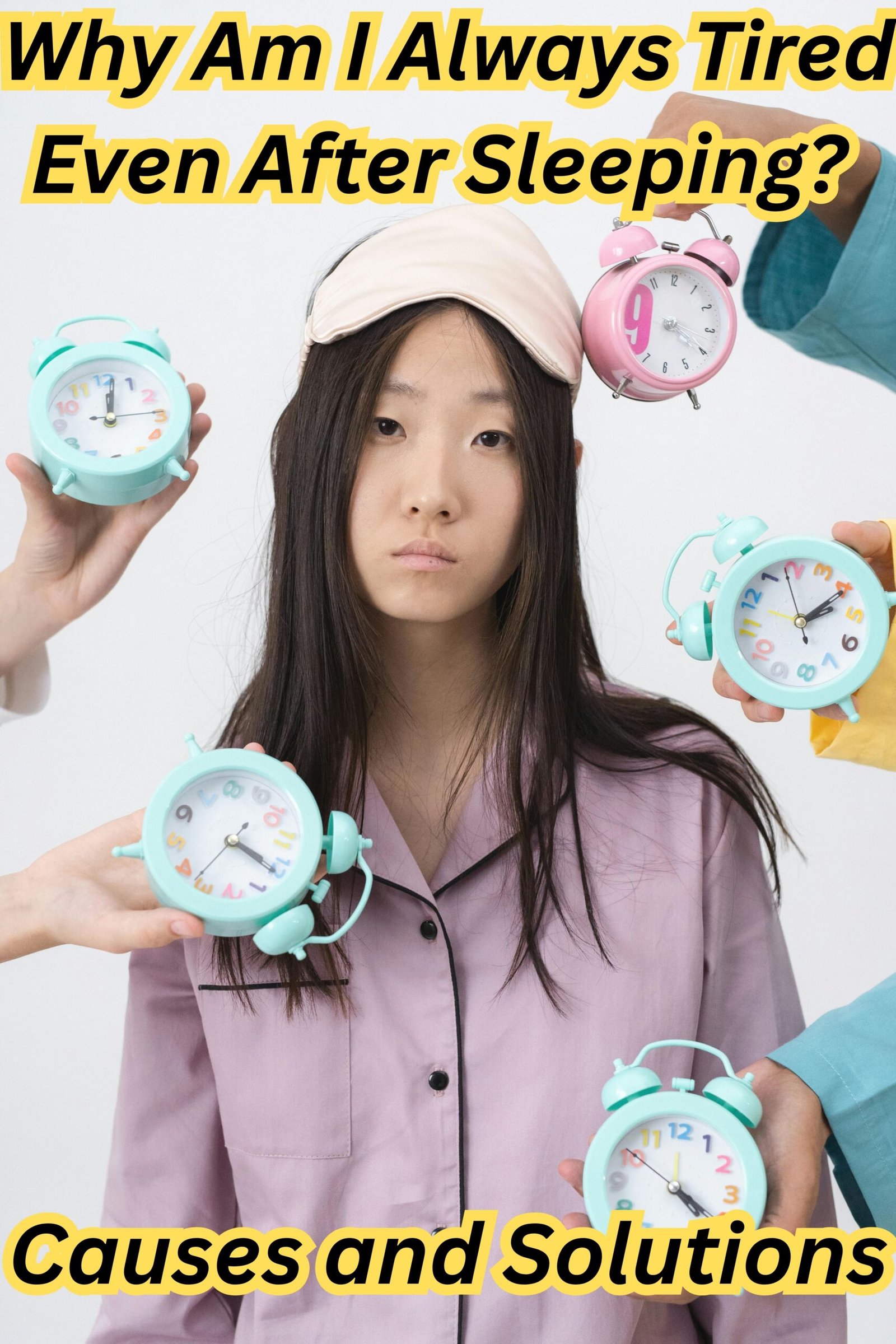
Q: Why am I always tired even after sleeping?
A: Feeling tired despite sleeping well can happen when your body is struggling to recover properly due to lifestyle patterns, stress, or underlying health issues like chronic fatigue, sleep quality problems, nutritional imbalances, and more.
A Real Feeling Most People Know
I used to believe that a good night’s sleep was the answer… until I realized that waking up tired had become my new normal. In fact, I asked myself one quiet morning, “Why am I always tired even after sleeping?” — and I wasn’t alone in that question.

Living with constant fatigue is more common than you think, and the answers aren’t always as simple as “sleep more.” Before we jump into solutions, let’s explore why your body might feel this way.
1. Common Causes of Feeling Tired After Sleeping
Understanding the why is the first step.
1.1 Poor Sleep Quality (Not Just Hours)
Even 8 hours doesn’t mean restful sleep — fragmented sleep or shallow sleep makes you feel exhausted in the morning.
1.2 Sleep Apnea and Breathing Issues
Conditions like sleep apnea interrupt breathing and reduce restorative sleep.
1.3 Nutritional Deficiencies
Low iron, vitamin D, and B-vitamin deficiencies can lead to constant fatigue after sleep.
1.4 Stress and Emotional Overload
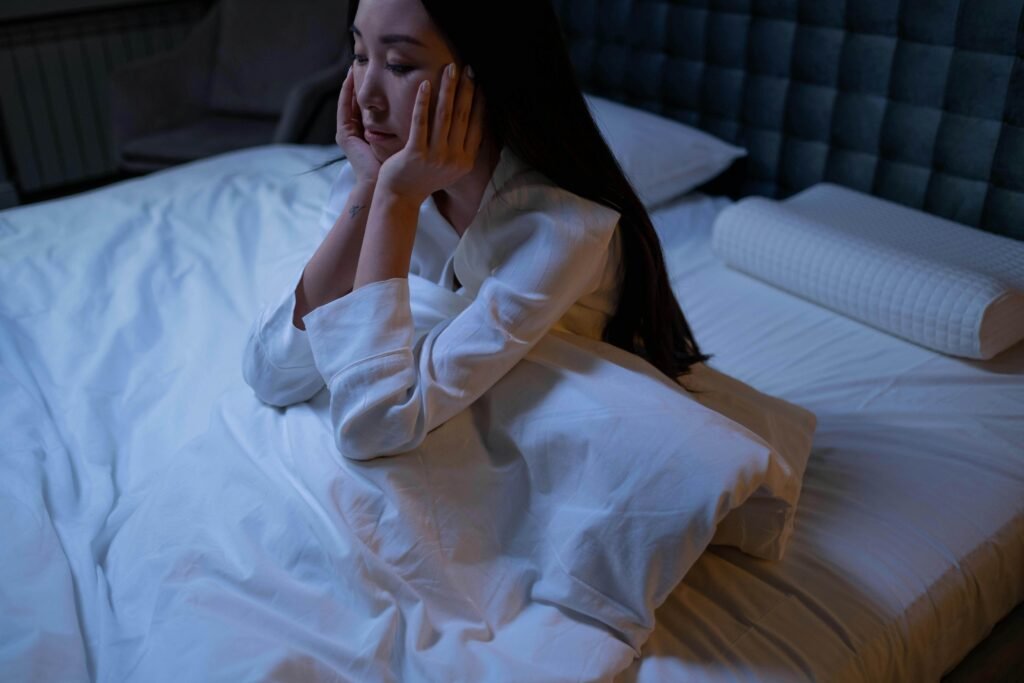
Chronic stress can keep your nervous system alert even while asleep.
1.5 Underlying Conditions Like Chronic Fatigue
Some people experience ongoing tiredness due to syndromes that need specific attention.

If you’ve ever felt tired despite logging enough sleep, one of these could be contributing.
My Personal Story: When You Keep Waking Up Exhausted
I thought sleeping more was the solution — but even after 7–8 hours, I woke up drained. At first, I blamed daily stress and dismissed it as my body just needing rest.
But when climbing stairs felt harder than it should… and simple tasks took more effort… I knew something deeper was going on.

Talking to a physician helped me understand real reasons behind my fatigue, and that’s when I started making changes that finally made a difference.
This isn’t about cures — it’s about understanding your body better.
Practical Steps That Helped Me Feel More Energized
Improve Sleep Quality
Fix your sleep environment (cool, dark, quiet) and avoid screens 60 minutes before bedtime.

Morning Movement
Gentle stretching or a short walk boosts blood flow and wakes up the body.

Balanced Nutrition
Include foods rich in iron, magnesium, and vitamins for sustained energy and foods that combat fatigue and reduce inflammation naturally.

Stress Management
Meditation, journaling, or breathing exercises added calm to my days.
Check for Medical Conditions
If persistent fatigue continues, talk to a professional — conditions like anemia or thyroid imbalance may play a role.
When to See a Doctor — Red Flags Not to Ignore
If your tiredness is accompanied by:
- Rapid weight loss
- Persistent pain
- Shortness of breath
- New or worsening symptoms
It may indicate something that needs professional evaluation.
Experts at Cleveland Clinic Health Library explains common causes of fatigue, how it differs from normal tiredness, and when persistent or unexplained fatigue might warrant medical evaluation.
Conclusion — Energy Is a Journey, Not a Switch
Feeling tired despite sleeping well doesn’t mean you’re weak or lazy. It’s your body signaling something deeper — whether it’s quality of rest, nutrition, stress, or a mix of factors.
By paying attention, making small adjustments, and understanding patterns in your daily life, you can begin to regain your energy step by step.
Notice patterns in your tiredness and try one small change this week—your body will thank you.
Medical Disclaimer
The content in this article is provided for educational purposes only and should not be construed as medical advice. Always consult a qualified healthcare professional for diagnosis, treatment, and medical recommendations based on your personal health needs.
FAQs
Q1: What are the most common reasons I’m tired after sleeping?
A: Common reasons include poor sleep quality, nutrient deficiencies, stress, sleep apnea, and underlying medical conditions like chronic fatigue.
Q2: Can stress make you feel tired even after a full night’s sleep?
A: Yes, chronic stress affects your nervous system, making your body remain alert even during sleep, leading to ongoing fatigue.
Q3: How can I improve sleep quality naturally?
A: Practices like maintaining a consistent sleep schedule, reducing blue light exposure before bed, and creating a calm sleep environment can improve quality.
Q4: Is feeling tired after sleeping a sign of a serious condition?
A: Persistent fatigue can sometimes signal underlying conditions — consult a doctor if it’s ongoing, especially with other symptoms.
Q5: What lifestyle changes help reduce tiredness after sleeping?
A: Balanced diet, stress reduction techniques, morning movement, and better sleep hygiene can help significantly.
4 thoughts on “Why Am I Always Tired Even After Sleeping? — 5 Causes and Solutions”