

This article is based on personal experience of living with arthritis in my 30s and is not a medical advice.

One morning in 2019, I woke up with swollen toes. There had been no injury, no fall, and no clear reason. The pain felt like a burning sensation, but I brushed it aside the way I had learned to brush aside many of life’s worries — with a “Hakuna Matata” attitude.
The seriousness of it only became obvious when my cousin accidentally stepped on my foot, and I burst into tears from the pain. That moment caught everyone’s attention — including mine.
At the time, I didn’t realize that this small swelling was the silent beginning of my life with arthritis.
Looking Back: Before the Diagnosis
Let me rewind a little.
I was around 25 years old, married, had survived two miscarriages, and was now a happy mother of two young daughters. Life was busy and demanding. I was juggling household responsibilities and motherhood, leaving very little time to focus on myself.
Pain felt like an inconvenience — something I didn’t have time to deal with.

Today, my daughters are 8 and 10 years old. Back then, they were toddlers, and my days revolved entirely around them. I ignored the early signs, not knowing what they were slowly leading to.
When the Pain Started Moving
What made my symptoms confusing wasn’t just the pain — it was how it moved.
- One week, my toes would swell
- Another week, my finger joints felt stiff
- Then my wrists started aching, making it hard to hold a glass of water
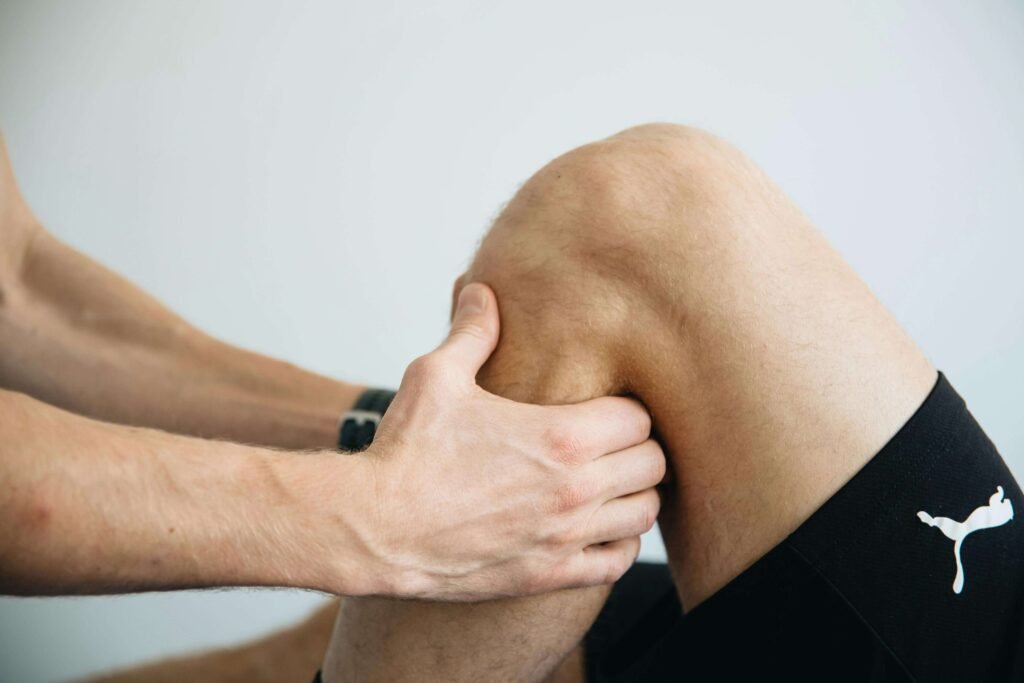
- Later, my ankles and knees began hurting, making climbing stairs difficult
Just when one joint felt better, another would flare up. It felt like my body was playing a strange game of musical chairs with pain.
Denial came easily.
I kept telling myself:
- “It will pass.”
- “It’s just inflammation.”
- “I’m too young for arthritis.”
But the symptoms kept returning — quietly and persistently.
The Denial Phase: First Doctor Visit

I eventually visited a general physician. The advice was simple: rest, pain relief, and observation. There was no urgency, and I didn’t ask many questions either.
However, as the swelling and stiffness continued to return, even the doctor felt something wasn’t right and referred me to a rheumatologist. I remember having to Google what a rheumatologist actually does. The term was totally new for me and I had no slightest idea of what was coming ahead.
Deep down, now I knew this wasn’t just temporary pain.
Facing Reality: Seeing a Rheumatologist
Visiting a rheumatologist changed everything.
Talking openly about joint pain, swelling, and stiffness made the situation real. I learned that arthritis symptoms often begin in small joints — like fingers and toes — and can later involve wrists, ankles, and knees.
Suddenly, the moving of the joint pain made sense.

That was when I truly accepted that I would be living with arthritis in my 30s. I had moved past denial, but a new question weighed heavily on me:
“Why me?”
It felt heavier than the pain itself.

One fear crossed my mind — Am I dying?
The answer was no.
While arthritis can affect mobility and quality of life, it is generally not life-threatening. With proper medical care, people continue to live full lives.
A Wake-Up Call I Didn’t Expect
At one point, I felt exhausted by the routine of medications. In a moment of frustration, I stopped taking them on my own.
This is not something I recommend.
Within days, my stiffness worsened, and two of my fingers began to slightly deform. Simple movements became uncomfortable, and fear quickly replaced frustration.

That experience was a powerful wake-up call. It reminded me how important consistent treatment, rheumatological care and medical guidance are when managing arthritis. After resuming care under my doctor’s supervision, my condition stabilized again.
Today, I’m doing well overall — though some days are harder than others.

Acceptance Phase: Life Today
Arthritis is now part of my life, but it does not define me.
I manage my condition with prescribed medications, lifestyle adjustments, and patience. Some days are manageable; some days require rest. But life continues.
I am still a mother.
Still a wife.
Still present for my family.

Arthritis didn’t pause my life — it taught me how to adapt.
What Living With Arthritis in My 30s Has Taught Me
- To listen to my body
- To respect rest
- To ask for help
- To accept that slowing down is not weakness
- To understand that strength sometimes looks like patience
A Message to Anyone Reading This
If you’re experiencing unexplained joint pain, swelling, or stiffness that keeps returning — please know you’re not alone. Early medical guidance matters far more than denial.
Living with arthritis is challenging, but with the right care and mindset, it is manageable. Progress may be slow, but it is still progress.

Conclusion
Living with arthritis in my 30s was not something I planned. It began quietly with a swollen toe I ignored and slowly reshaped how I see my body and my life.
Weight changes, mood swings, and joint discomfort taught me an important lesson: life moves forward, even when plans change.
Arthritis is part of my journey — but it does not define who I am.
Life continues, with care, awareness, and resilience.
Medical Disclaimer
This article reflects personal experience and is for informational purposes only. It is not a substitute for professional medical advice, diagnosis, or treatment. Always consult a qualified healthcare provider regarding any medical concerns.
FAQs
1. Can arthritis start in your 20s or 30s?
Yes. Arthritis can affect young adults and is not limited to old age.
2. Can arthritis pain move around the body?
Yes. Arthritis flare ups often shift between joints.
3. Should I see a rheumatologist?
If joint pain, swelling, or stiffness is persistent or spreading, specialist care helps.
4. Is arthritis manageable long-term?
Yes. With treatment, lifestyle changes, and support, many people live full lives.
Can stopping medication affect arthritis?
Yes. Discontinuing prescribed medications without a doctor’s guidance can worsen symptoms or cause joint changes. Consistent treatment helps manage flare-ups and maintain mobility.
Will arthritis deform my joints permanently?
In some cases, arthritis can cause joint changes over time, but early diagnosis, proper treatment, and lifestyle adjustments can slow or prevent permanent deformities.
Can arthritis affect daily life?
Yes. Arthritis can make certain tasks more difficult, but with treatment, planning, and support, most people continue to live active, fulfilling lives.
Are flare-ups predictable?
Not always. Arthritis flare-ups can come unexpectedly and affect different joints at different times. Keeping a symptom diary may help track triggers and patterns.
Can lifestyle changes help manage arthritis?
Yes. Regular gentle exercise, balanced diet, rest, and stress management can all improve symptom control alongside medical treatment.
Is arthritis only a disease of older adults?
No. Arthritis can develop in young adults, including people in their 20s and 30s. Early recognition and care are important for long-term health.