
Nothing Felt Wrong at First… Until Life Started Quietly Shifting
PCOS symptoms women ignore don’t always hurt at first… they quietly rewrite a woman’s body, emotions, and relationships without warning.
I didn’t realize I was changing until I no longer recognized myself.
It didn’t begin like something serious.
Just small changes… easy to overlook.
A missed cycle here.
A sudden wave of fatigue there.
A body that slowly stopped feeling familiar.
At that time, nothing felt alarming.

But looking back now, those were the first signs I didn’t understand.
I thought I was just tired… but I was slowly losing control of my own body.
The Body I Thought I Knew Was Changing
I kept telling myself it was stress.
Life was busy. Days were long. Rest was rare.
So when my cycle became irregular, I ignored it. When my weight started shifting without reason, I ignored that too.
Even when my skin changed and my energy disappeared, I still convinced myself it was temporary.
It wasn’t.
A Marriage That Slowly Lost Its Balance
We didn’t start breaking suddenly.
It happened slowly… in silence.
We both wanted a child. We both waited for good news that never came.
Every month carried hope.
Every test carried disappointment.
At first, we comforted each other.
Later, we stopped talking about it altogether.
The Weight of Unspoken Expectations
Family gatherings became harder than I ever admitted.
Not because of what people said — but because of what they didn’t say directly.
Smiles that felt like questions.
Conversations that carried hidden pressure.
Silences that felt heavy.
And slowly, I started feeling like I was carrying something broken inside me that I couldn’t fix.
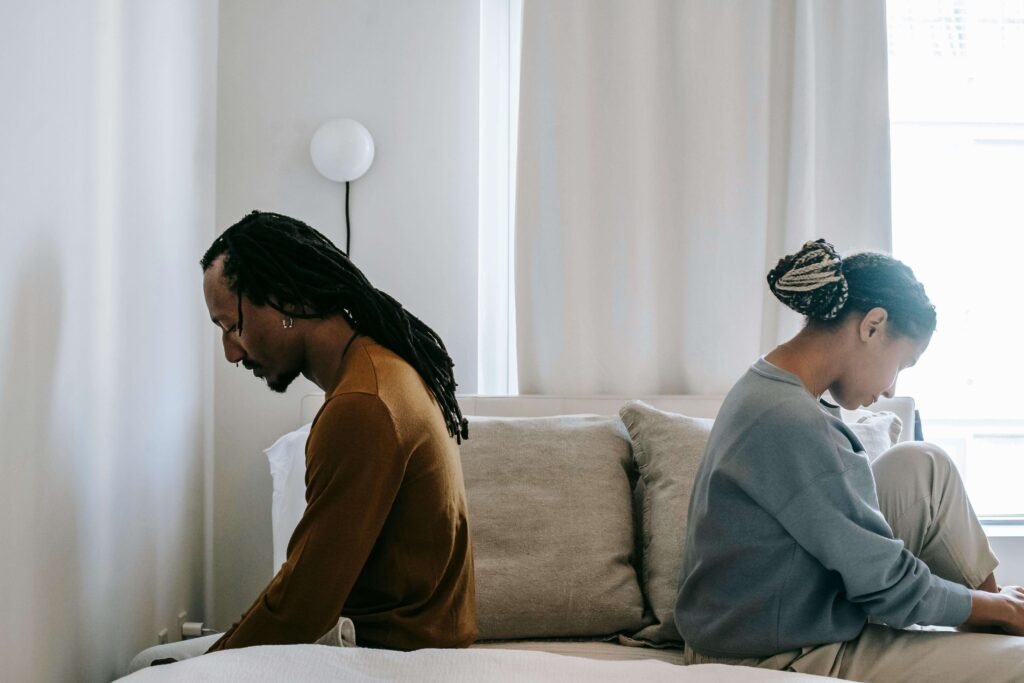
When Two People Start Living Like Strangers
The distance didn’t arrive suddenly.
It built itself quietly.
Dinner conversations disappeared.
Plans for the future faded.
Even simple moments started feeling uncomfortable.
We were still in the same house…
But emotionally, we weren’t together anymore.
What No One Sees Behind Closed Doors
The hardest part wasn’t the silence between us.
It was the silence inside me.
I stopped explaining how I felt because it never felt understood.
I stopped expecting comfort because I stopped receiving it.
And slowly, I stopped feeling like myself.
The Day Everything Ended Without Drama
There was no big fight.
No dramatic moment.
Just a quiet ending to something that had already been fading for a long time.
The separation didn’t feel sudden.
It felt… inevitable.
Losing Myself After Losing Everything
Afterwards, life didn’t feel like life.
Some days I barely moved from my bed.
Some days I didn’t want to speak at all.
Even simple things felt heavy.
It wasn’t just sadness — it was emptiness I didn’t know how to explain.
The Hands That Pulled Me Back
When I couldn’t hold myself together anymore, my family stepped in.
They didn’t demand explanations.
They didn’t judge my silence.
They just stayed.
And slowly, that became the first reason I started breathing again.
The Moment I Finally Faced the Truth
With their support, I finally went for medical tests.
Not because I was ready…
But because I couldn’t ignore it anymore.
And then the answer came.
Polycystic Ovary Syndrome.
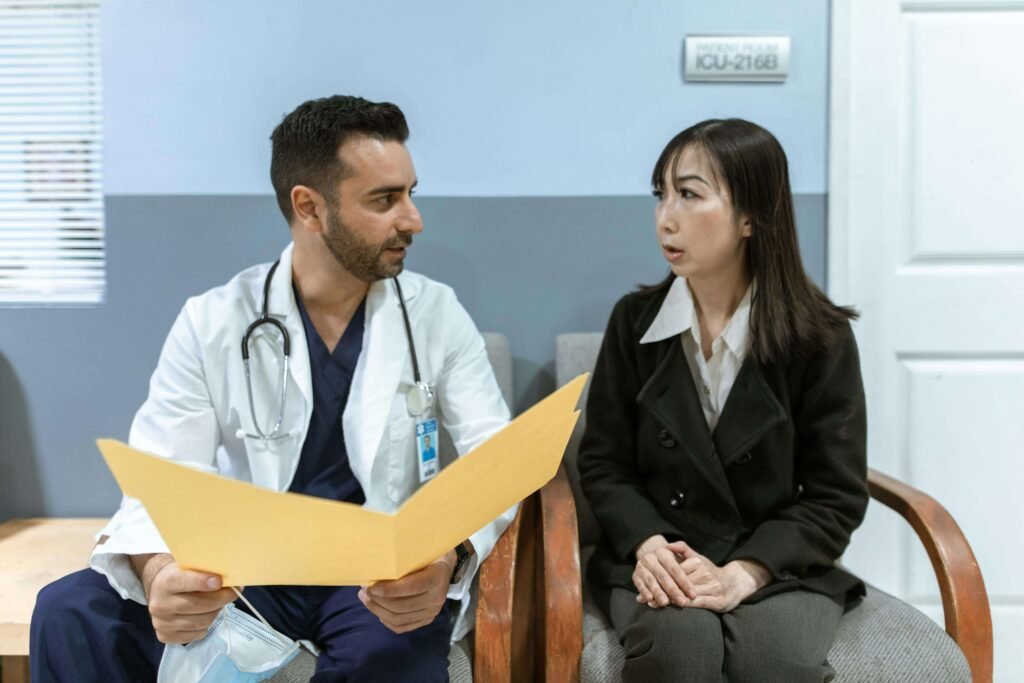
Suddenly, everything that once felt confusing… started making sense.
The changes. The cycles. The emotions. The exhaustion.
It wasn’t imagined.
It was real.
Understanding What I Had Been Ignoring
Looking back, everything connected.
The physical changes.
The emotional shifts.
The frustration I couldn’t explain.
So many things I once dismissed finally had context.
Not everything was in my control — and realizing that changed how I saw myself.
Slowly Learning to Rebuild
Healing didn’t arrive quickly.
It didn’t erase the past.
But it gave me direction.
I started with small routines.
Small habits.
Small attempts at feeling okay again.
And slowly… life stopped feeling frozen.
A Different Kind of Strength
Recovery wasn’t about becoming who I was before.
It was about becoming someone softer with herself.
Someone who understands her body instead of blaming it.
Someone who stopped treating silence as normal.

Understanding PCOS Symptoms
PCOS often develops slowly, which is why many signs are easy to miss in the beginning.
Some common changes may include:
- Irregular or missed menstrual cycles
- Sudden changes in weight
- Skin or acne changes
- Hair growth changes
- Emotional ups and downs
- Difficulty maintaining hormonal balance
These signs vary, and medical evaluation is important if they persist.
For more detailed medical information on PCOS, you can refer to trusted health resources like this guide from the Women’s Health.
When It Becomes Important to Seek Help
It is always better to speak to a healthcare professional if:
- Cycle changes continue for months
- Emotional or physical symptoms increase
- Daily life starts feeling affected
- Fertility concerns arise
Early guidance can help avoid long-term complications.
Incorporating healthy lifestyle habits after 40 can make a big difference in hormonal balance and overall well-being.
Conclusion
Not every struggle begins loudly.
Some begin quietly… in ways that are easy to ignore.
But the body always speaks — sometimes softly, sometimes repeatedly.
And listening early can change everything that follows.
Even after loss, confusion, and rebuilding…
There is always a way forward.
Sometimes the body breaks quietly… long before life ever does.
Medical Disclaimer
This article is for educational and awareness purposes only. It is not a substitute for professional medical advice, diagnosis, or treatment. Always consult a qualified healthcare provider for medical concerns.
Content Transparency Note
This is a fictionalized awareness story created for educational storytelling purposes around PCOS and women’s health awareness.
❓FAQS
What are early signs of PCOS?
Early signs often include irregular periods, weight changes, acne, and hormonal imbalance.
Can PCOS affect emotional health?
Yes, hormonal imbalance can influence mood, stress levels, and emotional stability.
Why is PCOS often discovered late?
Because early symptoms develop slowly and are often mistaken for lifestyle or stress-related changes.
Can PCOS affect relationships?
Yes, emotional stress, misunderstandings, and fertility pressure can create relationship strain.
Is PCOS treatable or manageable?
PCOS is manageable with proper medical guidance, lifestyle changes, and long-term consistency.
Can PCOS affect fertility?
Yes, in some cases it may affect ovulation, but many women successfully manage it with treatment.
4 thoughts on “PCOS Symptoms Women Ignore That Changed Everything”